How to Build a Custom API for iGaming Platforms in 2025
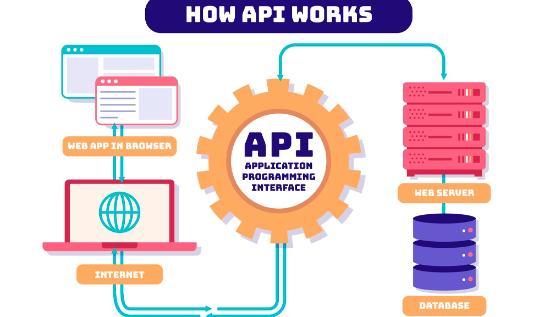
Unlock your iGaming potential with a custom API built for speed, security, and real-time gaming. Perfect for casinos, sportsbooks, and white label platforms in 2025.
In 2025, the digital gaming sector continues to thrive, with online casinos, sportsbooks, and hybrid betting apps growing rapidly. To support seamless gameplay, secure transactions, and real-time user engagement, one essential component underpins this ecosystem: the custom API for iGaming platforms.
Developing your own API offers greater flexibility, performance, and integration capabilities, which are often lacking in off-the-shelf solutions. This article explores how to build a custom API for iGaming platforms in 2025 and the best practices to ensure secure, scalable, and efficient solutions.
Explore job as: API QA Engineer
Why Build a Custom API for iGaming Platforms?
Creating a custom API for iGaming platforms provides full control over data, features, and third-party integrations. Unlike pre-packaged APIs, a tailored API aligns with your specific game mechanics, compliance needs, and player interaction models.
Here are the core reasons to consider building your own API:
- Customization of features like jackpots, loyalty programs, and betting rules
- Real-time scalability and reliability under high traffic
- Advanced API integration for online casinos with third-party data feeds and payment processors
- Enhanced security and regulatory compliance tailored to your jurisdiction
- Ownership of IP and data pathways
Key Features of a Gaming Platform API Development Strategy
When starting your gaming platform API development, it's crucial to define your goals and ensure your API is future-proof. Here's what a robust iGaming API should include:
1. Real-Time Data Exchange
Modern players demand live interactions. APIs must support real-time data exchange to manage live bets, real-time odds, and in-game statistics. Using WebSockets or GraphQL subscriptions can significantly improve responsiveness.
2. User Authentication APIs
Security is paramount. User authentication APIs should support OAuth 2.0, JWT, and multi-factor authentication (MFA). These ensure only verified users access your platform while reducing the risk of account fraud.
3. Transaction and Payment Handling
A seamless experience requires smooth deposits, withdrawals, and bet settlements. Your online betting software API must integrate with leading payment gateways, ensuring secure and quick transactions.
4. Game and Bonus Logic Endpoints
Build endpoints for launching games, awarding bonuses, or activating features like free spins or cashback. This gives you more control compared to predefined white label iGaming API solutions.
5. Admin and Analytics Interface
Don’t overlook API endpoints for your operations team. Include features to monitor KPIs, player behavior, and system health directly from the casino backend API.
How to Build a Custom API for iGaming Platforms Step-by-Step
Step 1: Define Your Use Cases
Start with clear goals. Ask:
- Will the API power only slot machines or include poker, sports betting, and live casino?
- What is the expected traffic and concurrency?
- Which third-party services must be integrated?
Your answers shape your decisions throughout development.
Step 2: Choose the Right Tech Stack
Your tech stack should support high concurrency, security, and modular development.
Recommended stack for 2025:
- Backend: Node.js, Go, or Python FastAPI
- Database: PostgreSQL for relational data; Redis for caching
- Communication: REST for standard operations, WebSockets for real-time data exchange
- Authentication: OAuth2.0, JWT
- Hosting: Kubernetes on AWS/GCP for scalability
Step 3: Build Secure Authentication and Authorization Layers
Using user authentication APIs, enforce RBAC (role-based access control). Segment players, admins, and third-party vendors.
Include:
- Token expiration policies
- Secure cookie-based sessions
- API key management for external integrators
Step 4: Develop Core Endpoints
For your casino backend API, start with these endpoint categories:
- User: register, login, logout, password reset
- Games: list games, launch game, end game session
- Bets: place bet, retrieve odds, cancel bet
- Wallet: deposit, withdraw, balance inquiry
- Promotions: apply bonus, check eligibility
Make sure your iGaming API solutions include thorough error handling and validation.
Step 5: API Integration for Online Casinos
Allow external vendors—game providers, payment services, or affiliates—to connect through secured endpoints. API integration for online casinos must include:
- Rate limiting
- Token-based authorization
- Custom scopes and permissions
- Detailed API documentation (e.g., Swagger)
This is especially critical when onboarding external games or payment processors using a white label iGaming API.
Security Best Practices for Gaming APIs
Building in security from the start is non-negotiable. Here are best practices for secure gaming API development:
- Encryption: Use TLS 1.3 for all API calls
- Authentication: Enforce OAuth and token rotation
- Input validation: Prevent SQL injection and XSS
- Monitoring: Implement anomaly detection with tools like Datadog or Sentry
- DDoS protection: Use a CDN or firewall provider to protect endpoints
Don’t forget to keep your online betting software API in sync with jurisdictional compliance updates, such as GDPR or AML/KYC regulations.
Real-World Use Case: From Legacy to Custom API
Many operators migrate from rigid third-party systems to custom-built solutions. A case study of a European operator in 2025 highlights this shift:
Challenge: The operator relied on a white label iGaming API that couldn’t support new bonus mechanics or mobile-first workflows.
Solution: They built a new gaming platform API development strategy focused on modular microservices, enabling them to update features like tournaments, leaderboard logic, and localized payments without vendor limitations.
Result: 43% higher engagement, faster innovation cycles, and direct integration with their favorite game providers using a custom-built iGaming API solution.
Maintenance and Continuous Improvement
Once your API is live, treat it like a product. Here’s how to maintain and evolve it:
- Versioning: Always version your endpoints to prevent breaking changes
- Monitoring: Track API performance (latency, uptime) and user behaviors
- Rate Limiting: Protect your casino backend API from abuse
- Feedback Loops: Gather feedback from integrators and players to prioritize updates
Frequent updates to your custom API for iGaming platforms ensure long-term relevance and competitiveness.
Conclusion
In 2025, the success of any online gaming or betting operation is tightly coupled with the performance and flexibility of its API infrastructure. Investing in gaming platform API development not only boosts performance and player satisfaction but also gives you unmatched freedom in innovation and scaling.
Whether you're enhancing an existing system or starting from scratch, adopting modern frameworks, supporting real-time data exchange, and adhering to best practices for secure gaming API development will help you stay ahead of both competitors and compliance mandates.
By building your own custom API for iGaming platforms, you're not just upgrading your tech—you’re upgrading your entire user experience.
More Articles
 15 Jun 2026
Best AI Tools for Khmer Businesses in 2026
AI tools for Khmer businesses help improve efficiency, automate tasks and support smarter business growth in Cambodia 2026.
 12 Jun 2026
AI Adoption in Cambodian Businesses: Trends and Benefits
AI adoption in Cambodian businesses is transforming industries and data-driven decision making across sectors.
 10 Jun 2026
Future of Business Automation: Trends and Benefits
Business automation trends shaping industries with AI, workflow tools and scalability across modern enterprises.
 09 Jun 2026
How to Prevent Data Breaches: Essential Security Tips
Learn how to prevent data breaches with essential security tips for businesses. Discover common causes of data breaches, cybersecurity best practices, and proven strategies to strengthen data security and protect sensitive information.