E-Waste Management Technologies & Recycling Methods
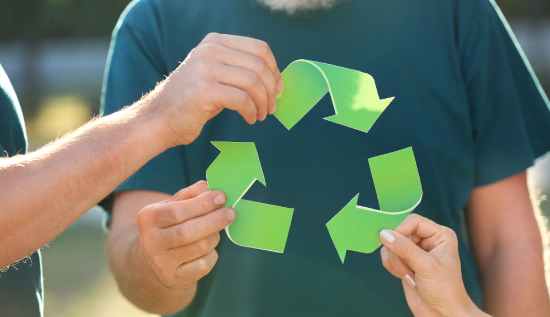
E-waste management technologies play a vital role in modern recycling systems, sustainable disposal, and safe handling of electronic waste worldwide.
Because we now live in a digital age, electronic devices have developed into an indispensable component of our everyday lives. There has been a significant rise in the amount of waste electrical and electronic equipment (WEEE) as a result of the rapid growth of technology. This includes anything from mobile phones and laptops to refrigerators and televisions. These electronic devices, despite the fact that they enhance our quality of life, also produce a substantial amount of electronic trash which, if not managed appropriately, poses serious threats to both the environment and human health. It is necessary to have robust e-waste management technologies as well as new recycling processes that are both efficient and environmentally friendly in order to address the issues, that are associated with electronic waste.
Understanding E-Waste and Its Implications
The term "e-waste" refers to discarded electrical or electronic gadgets that have reached the end of their useful life and are therefore considered to be Electronic waste. Other consumer electronics, such as computers, mobile phones, televisions, refrigerators, and other electronic devices, are included in this category. Electronic waste is comprised of potentially harmful substances such as lead, mercury, cadmium, and brominated flame retardants. If it is not disposed of appropriately, these substances have the potential to contaminate the soil, water, and air. Consequently, the inappropriate management of electronic waste poses considerable threats to both the environment and the health of populations.
Because of the ever-increasing amount of electronic garbage that is being produced all over the world, the need of developing environmentally sustainable e-waste solutions has increased. Estimates from throughout the world indicate that millions of tons of electronic garbage are produced every year. If appropriate electronic waste management techniques are not implemented, the repercussions for both the environment and human health will get severely worse. When it comes to recovering valuable materials, lowering pollution levels, and promoting sustainability, having efficient e-waste recycling processes is absolutely necessary.
Key Challenges in E-Waste Management
E-waste management presents a number of issues including the following:
- Complex Composition: Electronic trash is made up of a variety of materials, including metals, plastics, glass and dangerous compounds which makes the process of recycling and separation difficult.
- Hazardous Materials: include elements such as mercury and lead, requires particular training in order to minimize pollution of the environment, and exposure of humans. The Hazardous e-waste handling is consequently an essential component of recycling facilities.
- Rapid Technological Obsolescence: The haracterized by the short life cycle of electronic equipment, which results in an increase in the amount of electronics, that are discarded.
- Informal Recycling Practices: In many developing nations, the recycling of electronic trash is done in an informal manner which involves the use of hazardous methods, like as acid leaching and burning, both of, which release toxins into the environment.
- Lack of Awareness: a significant number of consumers, are not aware of the appropriate techniques for disposing of electronic items which results in waste being disposed, of in landfills.
The utilization of the latest technologies for e-waste management and the deployment of environmentally friendly e-waste processing techniques are both necessary in order to address these difficulties.
E-Waste Management Technologies
There has been a major advancement in the technologies that handle electronic trash in order to meet the growing problem of discarded electronic devices. The purpose of modern technologies is to safeguard the recovery of precious materials, lessen their impact on the environment and guarantee compliance with prescribed regulatory criteria.
1. Automated Sorting Systems
The most cutting-edge e-waste recycling equipment makes use of automated sorting systems to efficiently separate the various types of materials. Recycling companies are able to separate metals, plastics, and circuit boards through the use of several techniques. Some of these techniques include magnetic separation, eddy current separation, and conveyor-based optical sorting. The innovative e-waste recycling methods improve efficiency while simultaneously lowering the amount of harmful compounds that are exposed to humans.
2. Mechanical Recycling
One of the most common approaches to the handling of electronic waste management techniques that is mechanical in nature. During this process, electronic trash is first broken down into tiny bits, and then the metals, polymers and glass are separated individually using physical separation. When it comes to recovering ferrous and non-ferrous metals, mechanical recycling is an especially effective method. Using sustainable electronic waste disposal technology, establishments are able to guarantee that the mechanical operations will cause the least amount of environmental pollution possible.
3. Pyrolysis and Thermal Treatment
One of the latest technologies for e-waste management is pyrolysis, which is a new technology. In order to recover metals and other important materials, it entails heating electronic waste in an environment where oxygen is not present. This process breaks down polymers. Thermal treatment is also helpful in neutralizing harmful chemicals that are present in the hazardous e-waste handling. The fact that these techniques have the potential to recover a significant amount of material while having a less impact on the environment is driving their rising adoption.
4. Chemical and Hydrometallurgical Processes
For the purpose of dissolving and recovering metals from electronic trash, chemical recycling technologies make use of acid or alkaline solutions. The extraction of precious metals such as gold, silver and palladium from electronic components can be accomplished successfully through the use of hydrometallurgical processes. As a result of the fact that they make it possible to recover valuable materials, while simultaneously lowering reliance on landfills, these procedures are regarded to be part of sustainable e-waste solutions.
5. Bioleaching and Eco-Friendly Techniques
Environmentally friendly e-waste processing techniques, are less harmful to the environment are gaining popularity, particularly bioleaching, which is a method that extracts metals from electronic waste by utilizing microorganisms. The utilization of harsh chemicals and processes that need a substantial amount of energy, is significantly reduced by this method. The use of bioleaching as a method for the electronic waste disposal technology that has the potential to reduce the amount of damage done to the environment.
E-Waste Recycling Processes
For the purpose of accomplishing sustainability goals, efficient e-waste recycling processes, are essential. Not only does recycling electronic waste allow for the recovery of valuable components but it also significantly lessens the environmental impact of landfills and pollution.
Step 1: Collection and Transportation
The collection of electronic waste in an appropriate manner is the initial stage in any plan for the electronic waste management technique. The collection of abandoned electronic devices, can be made more secure through the use of collection centers, take-back programs offered by manufacturers and municipal e-waste drives. It is imperative that particular precautions be taken to ensure that hazardous compounds do not escape while being transported.
Step 2: Preprocessing and Segregation
Following its collection, electronic trash is subjected to preprocessing in order to eliminate batteries, hazardous components and elements, that cannot be recycled. Modern e-waste recycling equipment, makes it possible to efficiently separate several types of materials, including metals, plastics, and others. Through the process of segregation, several recycling procedures are adjusted to achieve the highest possible level of recovery.
Step 3: Dismantling and Component Recovery
The process of disassembling electronic gadgets, into their component parts, which include circuit boards, screens, and casings, can be done manually or automatically. Copper, gold and, silver, are among the valuable metals that are recovered during this stage of the manufacturing process. The utilization of innovative e waste recycling methods, guarantees the secure management of potentially harmful components.
Step 4: Material Recovery and Refining
Refining techniques, are applied to materials, after they have been disassembled in order to extract metals and polymers. Different types of processes, such as pyrometallurgical, hydrometallurgical and mechanical are utilized based on the material being processed. While simultaneously reducing their negative effects on the environment, these environmentally responsible methods of sustainable electronic waste disposal technology.
Step 5: Safe Disposal of Residual Waste
Certain residual materials continue to be toxic or non-recyclable, notwithstanding the progress, that has been made in recycling. The correct disposal of these materials, is absolutely necessary when hazardous e-waste handling. Stabilization, encapsulation, and secure landfilling under regulated conditions are all examples of safe disposal processes.
Innovative E-Waste Recycling Methods
It is no longer sufficient to rely just on conventional recycling practices due to the rapid development of electronic gadgets. The recovery efficiency of electronic trash has been improved, pollution has been reduced and sustainability has been promoted through the Innovative e-waste recycling methods.
1. Closed-Loop Recycling
Recovery of materials from electronic trash and subsequent, use of those elements into industrial processes is an example of closed-loop recycling. Because of this, the reliance on virgin raw materials, is decreased and the principles of the circular economy are supported. Taking this strategy which encourages resource efficiency and waste minimization, is extremely beneficial to the development of e-waste management technologies.
2. Robotic and AI-Assisted Recycling
Some of the latest technologies for e-waste management, include robotic dismantling and sorting with the use of artificial intelligence. Robots have the ability to deconstruct complicated circuits with pinpoint accuracy while artificial intelligence algorithms increase the identification and separation of materials. These technologies, improve productivity while simultaneously lowering the amount of harmful substances, that are exposed to humans.
3. Chemical-Free Material Recovery
In order to eliminate dependency on potentially harmful chemicals, environmentally friendly procedures such as bioleaching, magnetic sorting, and mechanical separation are utilized. It is possible to recycle metals and polymers from WEEE using these environmentally friendly e-waste processing techniques which offer safer options.
4. Urban Mining
As opposed to the more conventional method of mining, urban mining involves the extraction of valuable metals from abandoned electronic devices. This method makes use of e-waste recycling processes, in order to extract precious metals, copper, and rare earth elements from outmoded electronic gadgets. Through the preservation of natural resources, and the reduction of ecological damage, urban mining makes a contribution to the development of sustainable electronic waste disposal technology.
Sustainable E-Waste Solutions
Sustainable approaches, that strike a balance between technical progress, and environmental responsibility, are the way of the future when it comes to the management of electronic waste. Putting into practice environmentally sustainable e-waste solutions, helps to reduce the negative impact, that discarded devices, have on the environment, while simultaneously recovering valuable resources.
Policy and Regulation
In order to effectively control electronic waste, robust regulatory frameworks are required. Waste electrical and electronic equipment (WEEE), and it is governed by regulations and norms that have been set by governments, and international organizations. Policies regulate safe collection, recycling, and disposal of electronic trash, thereby promoting environmentally responsible behaviors, and the hazardous e-waste handling.
Consumer Awareness and Participation
In order for eelectronic waste management techniques approaches to be successful, public participation, is very necessary. It is possible to improve collection efficiency by educating consumers about appropriate disposal procedures, take-back programs and recycling facilities. Awareness programs help, to reduce dangerous and informal recycling practices, which in turn contributes to the development of e-waste management technologies.
Integration of Advanced Technologies
The use of the latest technology for e-waste management is essential in order to address the growing volumes of electronic waste. Automated sorting systems, recycling equipment driven by artificial intelligence and bioleaching techniques all contribute to increased material recovery, while simultaneously reducing their impact on the environment. These innovative e-waste recycling method, are in line with the objectives of global sustainability.
Collaboration Between Stakeholders
Collaboration between producers, recyclers, governments, and consumers, is necessary for the development of e-waste management technologies. Programmes, that encourage extended producer responsibility (EPR) urge producers to design electronics with recyclability in mind, which supports the development of sustainable electronic waste disposal technologies.
Conclusion
The proliferation of electronic gadgets has resulted in great benefits for society, but it has also resulted in an increasing difficulty in the management of waste electrical and electronic equipment (WEEE). In order to address this difficulty, it is necessary to implement strategies for the electronic waste management techniques, e-waste recycling processes and innovative e-waste recycling method.
Industries, are able to recover valuable materials in a secure and efficient manner, while simultaneously limiting environmental hazards by utilizing the latest technology for e-waste management. These technologies, include automated sorting, pyrolysis, hydrometallurgical recovery, and bioleaching. The deployment of sustainable e-waste solutions, in conjunction with robust policies, increased consumer awareness and collaborative efforts among various stakeholders is very necessary in order to guarantee a future that is cleaner, healthier and more economically sustainable.
In the end, the development and implementation of sustainable electronic waste disposal technologies and environmentally friendly e waste processing techniques are not only essential for the preservation of the environment but they also represent a step toward a circular economy which is characterized by the efficient reuse of resources and the reduction of waste. The use of these technologies guarantees that the progression of electronic technology will continue without putting the health of humans and the environment back at risk.
Read More: E-Waste Management: Safe & Sustainable Tech Solutions
More Articles
 04 Apr 2026
Best Food Delivery Apps Cambodia – Fast & Easy 2026
Hungry in Phnom Penh? Use the best food delivery apps in Cambodia 2026 to get hot food delivered. See which apps offer the lowest delivery fees.
 03 Apr 2026
Screenshot Tools Online – Free Screen Capture 2026
Best screenshot tools online for fast screen capture and sharing. Free options for full-page capture and annotations in 2026.
 02 Apr 2026
Best Shopping Apps Cambodia – Top Online Apps 2026
Shop the top-rated apps in Cambodia for 2026. Get fast delivery on fashion, tech, and groceries using the most trusted mobile platforms today.
 01 Apr 2026
Learn Coding for Beginners – Step-by-Step Tutorials
Step-by-step guide to coding for beginners with practical tutorials and essential resources to start coding in 2026 confidently.