eWallet and Online Transaction Security in Cambodia
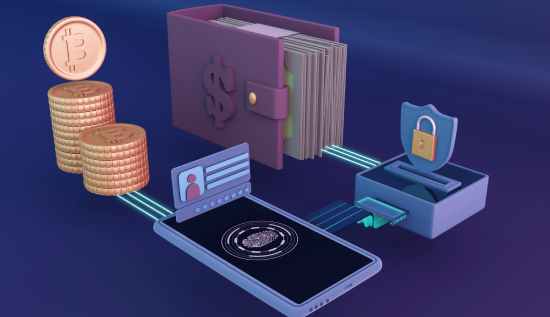
Stay protected with essential insights on eWallet and online transaction security in Cambodia, covering key risks, safety practices, and fraud prevention tips.
During the course of the last ten years, Cambodia has experienced a rapid adoption of digital technology across almost all of its economic sectors. Digital financial services, particularly electronic wallets, have become one of the most extensively used technologies in the country as a result of the proliferation of smartphones, the improvement of internet access, and the presence of a young population that is proficient in technology. The use of numerous bank-based apps, as well as platforms such as ABA Pay, Wing, Pi Pay and TrueMoney, has become increasingly important in the day-to-day operations of the financial sector. As a consequence of this, the online transaction security and the promotion of safe digital habits have emerged as problems of critical importance for both consumers and enterprises.
This article examines the landscape of eWallet usage in Cambodia, the significance of secure digital payments, and the most effective security measures that may be implemented to eWallet security measures. It also offers recommendations on how to secure online transactions in Cambodia and outlines best practices for eWallet security. In addition, it offers practical insights into the protection of online payment protection, mobile wallet security, and fraud prevention for eWallets. Additionally, we will discuss the most practical tips to prevent online payment scams methods, as well as the most trustworthy and secure methods for digital transactions within the Cambodian environment.
The Growth of eWallets in Cambodia
In terms of the adoption of digital payment methods, Cambodia has emerged as a regional leader. Electronic wallets are used by millions of Cambodians for a variety of purposes, including the payment of bills and the transfer of money, as well as for shopping and transportation services, according to recent financial statistics prepared by local organizations. The COVID-19 pandemic which advocated safer, contactless alternatives, pushed the shift toward cashless transactions even further. This was because the pandemic favored safer alternatives.
On the other hand, higher usage is accompanied by an increased danger. Cybercriminals are becoming more active as the number of consumers who rely on digital payments continues to rise. Because of this, the online transaction security needs to be continuously improved. It is necessary for both customers and service providers to implement robust and secure e-payment systems and to raise awareness about the possible dangers posed by digital technology.
Common Digital Payment Security Risks in Cambodia
In spite of the fact that the majority of Cambodian eWallet providers have made significant investments in technology infrastructure, the human aspect, which is user behavior, frequently continues to be the weakest link. This is exploited by cybercriminals using a variety of different approaches.
1. Phishing and Social Engineering
Scams including phishing continue to be one of the most widespread dangers. In order to deceive consumers into divulging their login credentials, one-time passwords, or personal information, fraudsters act as representatives of banks or service providers. It is possible that this will endanger the online payment protection and mobile wallet security.
2. Fake Apps and Links
Users put themselves in danger when they download apps that are not official or that are out of date. Fake apps acquire login information or infect mobile devices with malicious software.
3. SIM Swaps
In order to intercept one-time passwords, cybercriminals can try to swap SIM cards. In the absence of robust eWallet security measures, users run the risk of losing access to their accounts.
4. Device Theft
In the event that a user's phone is stolen or otherwise compromised, the user's security settings may allow for illicit transactions to take place.
To begin the process of establishing real fraud prevention for eWallets, the first step is to have an understanding of these dangers.
Why Online Transaction Security Matters
However, despite the fact that digital payments are convenient, they still demand confidence. When a user engages in a financial transaction, they are divulging sensitive information, that has to be safeguarded.
Security builds consumer confidence
The likelihood of users using their electronic wallets for day-to-day transactions increases when they have faith that their wallets are secure. In order to foster financial inclusion which is critical for economic growth, robust, and secure e-payment systems are necessary.
Businesses depend on reliable systems
Additionally, in order to minimize financial losses, and damage to their reputations, merchants rely on secure digital payments.
Cybercrime has real consequences
It is possible for substantial sums of money to be lost due to fraud or hacking. For this reason, enhancing the online transaction security should be a national priority for Cambodia's financial ecosystem.
eWallet Security Measures Used in Cambodia
Most major Cambodian digital payment, providers utilize a wide range of eWallet security measures to protect clients. These elements work together, to offer levels of safety.
1. Two-Factor Authentication (2FA) and OTP
Almost all eWallets require OTP verification, or biometric login. These techniques dramatically increase mobile wallet security.
2. Data Encryption
Strong encryption ensures, that financial and personal data remain unreadable to attackers. This is vital for ensuring secure digital payments, and securing user accounts.
3. Observation of Three Transactions
Advanced analytics detect anomalous behavior, or questionable activity. This supports good fraud prevention for eWallets.
4. Biometric Verification
Through the use of fingerprint or facial recognition, online payment protection can be improved, thereby preventing illegal access even in the event that a device is stolen.
5. Secure Servers and Firewalls
Back-end infrastructure and firewalls ensure that all digital platforms maintain high requirements for secure e-payment systems.
How to Secure Online Transactions in Cambodia
Additionally, consumers play a significant part in the protection of themselves. The following are some precautions that how to secure online transactions in Cambodia:
1. Only use official apps
You should only download applications from reputable sites, such as the App Store or Google Play. This makes it easier to avoid phony programs that can circumvent the mobile wallet security.
2. Never share OTPs or passwords
OTPs are never requested by financial institutions over the phone or over social media. The preservation of this information is absolutely necessary for the online payment protection.
3. Update apps and operating systems
In many cases, security fixes that improve the secure digital payments are included in those regular updates.
4. Use strong and unique passwords
The use of a robust password helps to prevent unwanted access and promotes improved eWallet security measures.
5. Use biometric locks
Features like as fingerprint or face identification offer an additional layer of secure methods for digital transactions.
6. Avoid public Wi-Fi
Data can be intercepted by hackers from networks that are not secure. Instead of using mobile data, you should use a personal Wi-Fi network that is secure.
Best Practices for eWallet Security
The long-term security of digital monies is ensured by the implementation of robust security practices. This is a list of the most essential best practices for eWallet security:
1. Activate app lock and phone lock
Two layers of protection are ensured as a result of this: one for the device and one for the application.
2. Monitor account activity
On a regular basis, monitor the history of transactions in order to identify unusual activity early on. This contributes to the prevention of fraud prevention for eWallets.
3. Keep personal information private
It is best to avoid divulging personal information such as your phone number, email address, or identification to unknown websites or individuals, particularly those, who claim to represent financial institutions.
4. Enable notifications
Users can be updated about all transactions in real time with the assistance of push notifications, which are an essential component of secure e-payment systems.
5. Backup account recovery details
Make sure that the methods for recovering your account, such as email or secondary phone numbers, are safe.
Tips to Prevent Online Payment Scams
Scams are becoming more prevalent in Cambodia, and users shouldn't let their guard down. The following are some basic tips to prevent online payment scam:
1. Verify before you trust
Scammers frequently pose as representatives of financial institutions, providers of electronic wallets, or online retailers. Make sure to check everything through official means.
2. Be skeptical of “too good to be true” offers
The use of fake promotions is a standard strategy. Don't click on any links that seem questionable.
3. Use secure payment gateways
If you are going to shop online, you should make sure that the website uses HTTPS and that the payment providers are reliable. This further strengthens the onlines payment protection.
4. Avoid transferring money to strangers
The act of transferring money for phony job offers, lottery, or investments is a common component of many scams. When conducting secure methods for digital transactions.
5. Educate family members
Scams are more likely to target elderly persons and adolescents than younger ones. It is possible to greatly reduce risk by educating people about the online transaction security.
Secure Method for Digital Transactions in Cambodia
Having a number of digital habits helps to ensure that financial transactions are secure. The use of these safe ways for secure method for digital transactions activity or unauthorized access.
1. Use payments based on QR codes
Scanning QR codes reduces the amount of sensitive information that must be manually entered and makes secure digital payments.
2. Put tokenization to use
Tokenization is a technique that some providers employ to conceal genuine account numbers during transactions, which helps to increase the secure e-payment systems.
3. Make dealings with respectable service providers your first priority
Be sure to go with well-established platforms that have robust e-Wallet security measures and positive evaluations from users.
4. Use in-app customer support
Customers should avoid contacting customer care through illegitimate means or social media platforms.
The Role of FIs and Regulators in Strengthening Online Payment Protection
When it comes to the regulation of the ecosystem of digital payment systems, the National Bank of Cambodia (NBC), plays a crucial role. Across the nation, secure epayment systems, have been standardized with the use of tools such as Bakong. In addition, audits are carried out, systems are upgraded and infrastructure is improved by financial institutions in order to guarantee improved onlines payment protection.
As a means of establishing criteria for mobile wallet security and providing support for the fraud prevention for eWallets, there is a rising level of collaboration between financial institutions, telecom providers and fintech companies. The implementation of these enhancements results in a more secure environment and boosts confidence in the secure digital payment.
Future of eWallet and Online Transaction Security in Cambodia
The prospects for the use of digital payment methods in Cambodia are bright. As technological advancements continue, we can anticipate the following:
- Enhancements to the detection of fraud using AI
- An expanded use of biometric authentication
- Verification of the customer's identity that is more advanced
- Enhancement of interoperability across many platforms.
In addition, public awareness initiatives and financial education programs will assist consumers in gaining a better understanding of how to secure online transaction in Cambodia.
Conclusion
It is expected that electronic wallets and online banking services will continue to play a significant part in the construction of Cambodia's financial landscape as the country continues to embrace digital transformation. However, with expansion comes risk and there has never been a time when the need for robust online transaction security has been stronger.
When customers have a better grasp of the significance of e-Wallet security measures, they are better able to safeguard themselves and guarantee, that their secure digital payment manner. Constant monitoring, secure digital behaviors and awareness of potential dangers are all contributing factors that significantly contribute to the onlines payment protection and mobiles wallet security.
Users increase their individual protection and contribute to a safer digital environment on a national scale, when they embrace robust best practice for eWallet security and follow straightforward and efficient tips to prevent online payment scam methods. When combined with aggressive fraud prevention for e-Wallets from service providers, Cambodia is able to continue its path toward cashless transactions that are secure, efficient and accessible.In order for every user to be able to enjoy the benefits of digital finance with greater confidence, it is necessary for them to have a thorough understanding of the dangers, implement robust protections and maintain secure method for digital transactions. When it comes down to it, having the knowledge how to secure online transaction in Cambodia contributes to the creation of a more secure and dependable financial future for everyone.
Read More: Digital Wallets and the Future of Payments in Cambodia
More Articles
 23 Oct 2026
Website Audit Score: How to Check and Improve It
Check your website audit score, identify SEO issues, improve technical performance, site health and search visibility.
 21 Oct 2026
Low-Value Content: How to Identify and Fix It
Identify low-value content, improve content quality and fix SEO issues with practical strategies to boost website usefulness.
 20 Oct 2026
Session Hijacking: How It Works and How to Prevent It
Learn what session hijacking is, how session cookie theft works, common attack signs, and effective prevention strategies to protect accounts and web applications.
 16 Oct 2026
Orphan Pages in SEO: How to Find and Fix Them
Identify orphan pages in SEO and apply practical strategies to improve internal linking and discoverability.