How to Become a Game Programmer: Skills & Salary
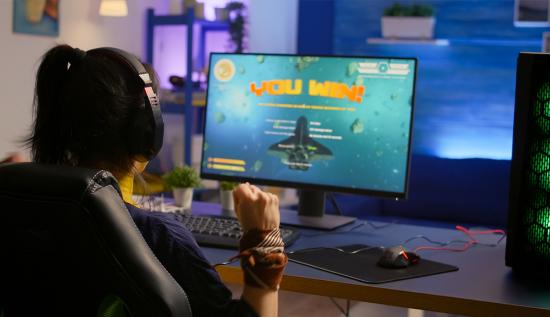
Dream of building epic games? Discover how to become a game programmer, the skills you need, and the salary you can earn in today’s booming gaming industry.
The world of gaming is booming, and at the heart of every incredible game lies the brilliance of a Game Programmer. Whether it’s the physics in a racing game, AI behavior in a strategy game, or the immersive features of an RPG, game programmers bring concepts to life with code. If you’ve ever dreamed of turning your passion for video games into a career, this guide will show you how to become a game programmer, what skills you'll need, which game programming languages to learn, and what kind of salary you can expect.
Explore more on Game Algorithm Engineer job
What Is a Game Programmer?
A game programmer is a type of game developer responsible for writing the code that powers video games. While game design focuses on mechanics, stories, and player interaction, game programming brings those elements to life through algorithms and scripting. From game engine programming to handling graphics rendering, physics simulations, and game AI programming, the role covers a wide technical spectrum.
Game Design vs Game Programming
It's essential to understand the difference between game design vs game programming. Game design involves conceptualizing the gameplay, user experience, and overall story arc. Game programming, on the other hand, involves writing and maintaining the technical code that makes all those design elements function in real-time.
Both roles collaborate closely, but if you're interested in coding, debugging, and working with engines, then game programming is your niche.
Skills Needed to Become a Game Programmer
To become a successful game programmer, you'll need a solid set of technical and soft skills:
1. Programming Proficiency
Understanding game programming languages like C++, C#, and Python is crucial. These are the foundations of any game.
2. Mathematics and Physics
Games rely heavily on vectors, matrices, and physics-based simulations. Solid math skills are essential, especially in game engine programming.
3. Problem Solving
You'll encounter bugs, logic issues, and performance bottlenecks. A great game developer is also a sharp problem-solver.
4. Understanding Game Engines
Familiarity with engines like Unity and Unreal Engine is a must. These are the backbones of modern game development.
5. AI Development
Understanding game AI programming is vital for creating responsive NPCs, enemies, or team members.
Best Programming Languages for Game Development
Let’s look at the best programming languages for game development and where they shine:
C++
Often considered the king of game programming languages, C++ is widely used in AAA game studios. It gives you deep control over system resources and performance.
C#
Most commonly used with Unity, C# is ideal for indie developers and mobile games. It’s easier to learn than C++ and offers a clean syntax.
Python
Though not as common in AAA game development, Python is great for scripting and prototyping. It’s also used in some AI elements and game coding experiments.
JavaScript & HTML5
Useful for browser-based games and smaller platforms. It’s good for hobbyists and quick projects.
If you're serious about the field, learning multiple game programming languages will broaden your opportunities.
How to Become a Game Programmer With No Experience
Starting from scratch? Here’s how you can become a game programmer with no experience:
1. Start Learning to Code
Use platforms like Codecademy, freeCodeCamp, or Coursera to begin learning the best programming languages for game development.
2. Choose a Game Engine
Pick Unity (C#) or Unreal Engine (C++). Unity is particularly beginner-friendly and widely used among indie game programmers.
3. Follow Tutorials
YouTube and Udemy are goldmines for game dev tutorials. Build small projects—like a Pong or platformer game—to learn game coding fundamentals.
4. Build a Portfolio
Start publishing your own small games or mods. GitHub is a great place to showcase your code.
5. Contribute to Indie Projects
Offer your help to open-source or indie game programmers. It’s a great way to gain experience and credibility.
The Indie Game Programmer Path
Many aspiring developers start as indie game programmers. With tools like Unity and Godot, it's possible to develop full-fledged games independently or in small teams. Indie game programming offers creative freedom, though it often lacks the job security of studio positions. However, many popular games like Stardew Valley and Undertale came from indie beginnings.
If you're passionate about storytelling and unique gameplay mechanics, indie game programming might be your calling.
Game AI Programming: Making Games Smarter
Game AI programming involves creating logic that governs how non-playable characters (NPCs) behave. This includes enemies that adapt to player behavior, allies that support your objectives, or even complex pathfinding systems.
Learning game AI programming includes concepts like:
- Finite State Machines (FSMs)
- Behavior Trees
- Pathfinding algorithms (e.g., A*)
- Machine learning for dynamic AI behavior
Strong knowledge in game AI programming can set you apart, especially in RPGs and strategy games.
Game Engine Programming: Building the Backbone
Game engine programming goes deeper than just making games. It involves building or customizing the systems that games run on. This includes physics, audio, rendering, and networking components.
While most game developers use existing engines like Unity or Unreal, AAA companies often have proprietary engines. Working in game engine programming requires advanced understanding of:
- Rendering pipelines
- Memory management
- Multithreading
- Low-level C++ architecture
This path is highly technical but offers some of the best salaries in the field.
Video Game Programmer Salary: What to Expect
Let’s break down the video game programmer salary expectations based on experience and specialization.
| Role | Experience | Average Salary (USD) |
|---|---|---|
| Entry-Level Game Programmer | 0–2 years | $55,000 – $70,000 |
| Mid-Level Game Developer | 3–5 years | $75,000 – $95,000 |
| Senior Game Programmer | 6+ years | $100,000 – $130,000 |
| Game AI Programmer | Varies | $90,000 – $120,000 |
| Game Engine Programmer | Varies | $110,000 – $140,000 |
| Indie Game Programmer | Project-based | $0 – $80,000+ (varies widely) |
The video game programmer salary can be affected by your location, company size, and game genre. AAA studios tend to offer higher wages than indie or mobile companies.
Career Path: From Novice to Professional
- Learn the Basics: Master core game programming languages.
- Build Projects: Apply what you've learned in actual game development.
- Create a Portfolio: Show off your work.
- Apply for Internships or Freelance Work: Get your foot in the industry.
- Climb the Ladder: Work your way up from junior to senior roles.
- Specialize: Whether in game AI programming, engine development, or tools, specialization increases your value.
Conclusion
Becoming a game programmer is a rewarding journey filled with challenges and creativity. With consistent learning and hands-on practice, even those with no experience can break into the industry. Whether you’re eyeing a role in a AAA studio, aiming to build the next indie hit, or passionate about game engine programming, the possibilities are vast.
By mastering game programming languages, understanding the nuances of game design vs game programming, and dedicating yourself to ongoing learning, you can transform your passion into a profession.
More Articles
 08 Jul 2026
Best Tech Stores in Cambodia: Top Places to Shop
Compare the best tech stores in Cambodia for laptops, smartphones, computers and electronics with trusted retailers, prices and buying tips.
 07 Jul 2026
Domain Name vs Web Hosting: What's the Difference?
Learn the difference between domain name vs hosting, how they work together, and whether you need both. A complete beginner's guide to domain vs web hosting, registration, costs, and setup.
 03 Jul 2026
Best Backup Software for Windows & Mac - Top Solutions
Compare the best backup software for Windows and Mac with top features and reliable solutions to protect your important data.
 01 Jul 2026
Best Scheduling Tools in 2026 | Top Apps for Productivity
Best scheduling tools in 2026 help automate appointments and improve productivity for individuals and businesses worldwide.