QR Code Scams in Cambodia: How to Spot Fake QR
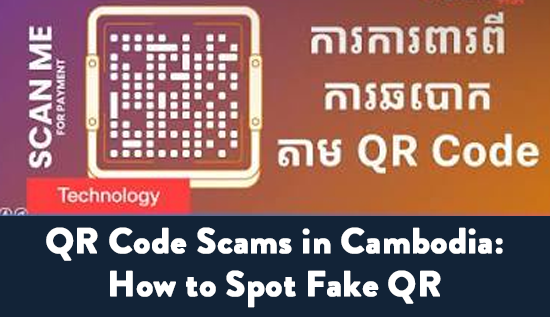
Learn about QR code scams in Cambodia, fake KHQR payments, warning signs, and simple ways to check QR codes and stay safe when making digital payments.
QR codes have become a normal part of everyday payments in Cambodia. Customers can scan a code with a banking app, enter an amount, confirm the recipient, and complete a transaction within seconds. KHQR has also made QR payments more convenient by supporting digital payments across participating Cambodian banks and payment providers.
However, convenience can also create new risks. Scammers can replace legitimate QR codes with fake ones, send fraudulent QR images through social media, or use QR codes to direct people to unsafe websites. These schemes can result in stolen money, compromised accounts, or exposure of personal information.
Understanding QR code scams in Cambodia is therefore important for anyone who uses mobile banking or digital payments. The good news is that many QR scams can be avoided by slowing down, checking the recipient carefully, and confirming payment information before pressing the final confirmation button.
This guide explains how QR code scams work in Cambodia, common warning signs, examples of fake QR codes Cambodia users may encounter, and practical steps for safer digital payments.
What Are QR Code Scams in Cambodia?
QR code scams in Cambodia are fraudulent schemes that use QR codes to trick people into sending money, revealing information, or visiting unsafe websites.
A QR code itself is not necessarily dangerous. It is simply a machine-readable way of storing information. The problem occurs when criminals create, modify, replace, or distribute a QR code that leads to an unintended destination.
For example, a scammer might place a fake QR code over a genuine payment code at a shop. A customer believes they are paying the business, but the money is actually sent to another account.
Other scams may involve QR codes shared through Facebook, Telegram, Messenger, SMS, email, or websites. The code might lead to a fake login page instead of a legitimate payment page.
This means users should not assume that scanning a QR code automatically makes a transaction safe.
How QR Code Scams Work in Cambodia
Understanding how QR code scams work in Cambodia can help users recognize suspicious situations before losing money.
A typical scam may follow these steps:
- The scammer creates or obtains a QR code.
The code may be connected to a personal payment account, fraudulent website, or other destination. - The scammer places or shares the QR code.
It could appear on a printed sign, social media post, message, advertisement, invoice, or fake promotion. - The victim scans the code.
Because QR scanning is now common, users may scan without carefully examining the source. - The banking or payment application displays information.
Depending on the payment method, the user may see a recipient name, account information, website, or payment request. - The victim completes the transaction or follows instructions.
If the user does not verify the details, money or personal information may be sent to the scammer.
The key lesson is simple: scanning is not the same as verifying.
Why QR Payment Scams in Cambodia Are a Growing Concern
Digital payments are increasingly important in Cambodia. People use QR payments for shopping, restaurants, transportation, bills, online purchases, and person-to-person transfers.
This convenience makes QR payments attractive to both legitimate businesses and criminals.
QR payment scams in Cambodia can be especially effective because QR codes are visually simple. A legitimate code and a fraudulent code can look almost identical to an ordinary user.
A person may also be in a hurry when paying at a shop or restaurant. Instead of checking the recipient's name, they may simply scan and confirm.
Scammers can take advantage of this behavior.
Another concern is that QR codes can be shared digitally. A fraudulent code can be sent to many people through social media or messaging platforms without the scammer needing to meet victims directly.
Common Types of QR Code Fraud in Cambodia
There are several ways criminals may use QR codes for fraud.
1. Fake Payment QR Codes
A scammer may replace a legitimate merchant's QR code with another code connected to a different payment account.
For example, a customer sees a QR code at a small business and assumes it belongs to the shop. If the code has been replaced, the customer may unknowingly pay someone else.
This is one form of QR code fraud in Cambodia that users should understand.
2. Fake KHQR Codes
KHQR is designed to make QR payments easier across participating payment systems. However, criminals can still misuse the concept by displaying fraudulent codes that appear legitimate.
KHQR scams may involve fake payment requests, altered QR displays, or QR codes shared through unofficial channels.
Users should remember that the presence of a familiar-looking QR design does not automatically prove that the payment destination is genuine.
3. Fake Online Promotions
A social media post may advertise a discount, prize, giveaway, or special offer and provide a QR code.
The QR code may send the user to a fraudulent website or payment destination.
The offer can create urgency by saying that only a limited number of people can claim it. This pressure may cause users to skip normal security checks.
4. Fake Invoices
A criminal may send an invoice containing a QR code and claim that a payment is required.
The message could imitate a real company, seller, delivery service, or organization.
Before paying, users should independently confirm the invoice and payment recipient.
5. QR Codes Leading to Fake Websites
Not every QR scam directly requests a payment.
Some codes redirect users to websites designed to imitate banking services, online stores, delivery companies, or other legitimate services.
The fake website may request a username, password, card information, OTP, or other sensitive details.
Users should be extremely careful if a QR code suddenly asks for confidential information.
6. Social Media QR Scams
Fraudulent QR codes can also appear in Facebook posts, Telegram messages, Messenger chats, and other online platforms.
A message may claim that the user has won something, needs to verify an account, or must make a payment.
Instead of trusting the message, users should verify the organization through an official communication channel.
Fake QR Codes Cambodia Users Should Watch For
Knowing what suspicious QR codes look like is useful, but appearance alone is not enough.
Some fake QR codes Cambodia users encounter may be poorly printed, covered with stickers, or placed in unusual locations. Others can look professionally designed.
Watch for these warning signs:
- A QR sticker appears on top of another QR code.
- The QR code is placed in an unusual location.
- The merchant name shown after scanning does not match the business.
- A seller suddenly changes the payment QR without explanation.
- A stranger sends a QR code and asks for immediate payment.
- The QR code is connected to an unexpected website.
- A promotion seems unusually attractive.
- The message creates strong pressure to pay immediately.
- The payment recipient is different from the expected person or company.
- You are asked to scan a QR code to receive a supposed refund without verification.
One warning sign does not always mean fraud, but multiple warning signs should make you stop and investigate.
How to Identify Fake QR Codes in Cambodia
Learning how to identify fake QR codes in Cambodia is one of the simplest ways to improve payment safety.
Check the Recipient Name
After scanning a payment QR, look at the recipient information shown by your banking or payment application.
Does the name match the business or person you intend to pay?
If the recipient name is completely different, do not continue.
Check the Amount
Always confirm the payment amount before approving the transaction.
Some scams rely on users paying quickly without noticing an incorrect amount.
If the amount has been pre-filled, verify it carefully.
Check the Merchant
If you are paying a restaurant, store, hotel, or other business, compare the displayed recipient information with the business name.
If something does not match, ask the merchant to verify the QR code.
Examine Physical QR Codes
Look at printed QR codes before scanning.
If you notice a sticker placed over another code, ask the business staff about it.
Do not assume that a QR code is legitimate simply because it is displayed inside a shop.
Verify Online QR Codes
If someone sends a QR code through social media or messaging apps, ask yourself why you need to scan it.
If the payment is unexpected, contact the supposed sender through a trusted channel before proceeding.
How to Check a QR Code Before Making Payment
Knowing how to check a QR code before making payment can prevent many avoidable mistakes.
Use this simple checklist:
1. Stop and inspect the source.
Where did the QR code come from?
2. Scan without immediately confirming.
If your banking application allows you to preview transaction details, review them first.
3. Check the recipient.
Make sure the name or account information matches the intended recipient.
4. Check the amount.
Confirm that the payment amount is correct.
5. Check the purpose.
Ask whether the payment makes sense. Be suspicious if someone unexpectedly asks you to pay through a QR code.
6. Verify unusual requests.
If the payment request comes from a stranger or unexpected message, confirm it independently.
7. Stop if something feels wrong.
You do not have to complete a transaction simply because you already scanned the QR code.
This habit is an important part of Cambodia QR payment security.
Cambodia QR Payment Security: Best Practices
Good digital payment security is about more than identifying fake QR codes.
Keep Banking Apps Updated
Use the latest official version of your banking application. Updates may include security improvements and bug fixes.
Protect Your Phone
Use a strong screen lock and avoid allowing unknown people to access your phone.
If someone can access an unlocked banking application, the risks are much greater.
Never Share OTPs
A legitimate payment process should not require you to give a one-time password to another person.
Never send OTPs, banking passwords, PINs, or other authentication information to strangers.
Avoid Unknown Apps
Be careful when someone tells you to install an unfamiliar application before completing a QR payment.
Download banking and payment applications from official app stores and trusted sources.
Use Official Channels
If a business sends you a payment request, verify it through the company's official contact details rather than relying entirely on the message containing the QR code.
Review Transaction Notifications
After making a payment, check your transaction notification or banking history.
If the transaction shows unexpected information, contact your bank or payment provider promptly.
QR Code Scam Cambodia: Common Warning Signs
A QR code scam Cambodia incident may begin with a very ordinary-looking request.
Be especially careful when you encounter:
- Unexpected payment requests
- Fake discounts
- Prize or giveaway claims
- Urgent refund requests
- Unknown sellers
- Unverified social media accounts
- QR codes sent by strangers
- Requests for OTPs or passwords
- Payment recipients that do not match the merchant
- QR codes that redirect to suspicious websites
- Pressure to complete a payment immediately
Scammers often combine several techniques. The QR code is only one part of the deception.
How to Avoid QR Code Scams in Cambodia
The best way to learn how to avoid QR code scams in Cambodia is to develop a consistent payment routine.
Before every unfamiliar payment, remember:
Pause → Scan → Check → Confirm
Pause
Do not allow urgency to control your decision.
Scan
Scan only QR codes from sources you trust.
Check
Review the recipient, amount, and payment details.
Confirm
Only approve the transaction after everything matches.
This process takes only a few seconds but can prevent serious mistakes.
What to Do If You Paid a Fake QR Code
If you believe you have sent money to a fraudulent QR code, act quickly.
First, keep records of the transaction. Save the transaction reference, screenshots, recipient information, messages, and other relevant details.
Next, contact your bank or payment provider using its official customer-service channel. Explain that the transaction may be fraudulent and provide the transaction details.
If the scam involved a social media account, website, or messaging platform, preserve the relevant evidence rather than deleting everything immediately.
You should also report suspected fraud to the appropriate Cambodian authorities or relevant service provider.
Do not send additional money to someone who promises to recover your funds. Recovery scams can target victims who have already experienced financial loss.
Are QR Payments Safe in Cambodia?
QR payments can be a convenient and secure way to make transactions when users follow basic security practices.
The technology itself is not automatically the problem. The biggest risks often come from deception, such as fake payment requests, impersonation, altered QR codes, and fraudulent websites.
This is why Cambodia QR payment security depends on both technology and user behavior.
A secure payment habit includes checking the recipient, confirming the amount, protecting authentication information, and avoiding unexpected requests.
Users should also understand that a QR code can contain different types of information. Scanning one does not necessarily mean that money will be transferred immediately. The next step depends on what the QR code contains and which application processes it.
QR Payments and Businesses in Cambodia
Businesses also have an important role in preventing QR fraud.
Merchants should display payment codes where customers can easily identify them and should regularly inspect physical QR signs.
Businesses can also educate employees about unauthorized stickers or replacement codes.
If a merchant changes payment information, customers should be informed clearly.
Customers can help by asking questions when the displayed payment recipient does not match the business name.
A simple verification process can protect both the customer and the merchant.
Why People Fall for QR Scams
QR scams do not necessarily depend on advanced technology.
They often depend on human behavior.
People may trust QR codes because they are widely used. They may also be distracted, busy, or influenced by a limited-time promotion.
Scammers understand these behaviors.
Common psychological techniques include:
- Creating urgency
- Offering rewards
- Pretending to be trusted organizations
- Claiming that an account needs verification
- Using official-looking logos
- Asking for small payments first
- Creating fear of losing an opportunity
Recognizing these techniques makes it easier to stop before completing a suspicious transaction.
QR Code Scams in Cambodia: A Simple Safety Checklist
Before making a QR payment, ask yourself:
Is this QR code from a trusted source?
Does the recipient name match the person or business I intend to pay?
Is the amount correct?
Was I expecting this payment request?
Is someone pressuring me to pay immediately?
Am I being asked for an OTP, password, or other secret information?
Does the QR code appear to have been replaced or covered?
Can I verify the request through an official channel?
If you cannot confidently answer these questions, stop the transaction until you can verify it.
Final Thoughts
QR code scams in Cambodia are an important digital-security issue as QR payments become increasingly common. Fraudsters may use fake merchant codes, fraudulent KHQR-style payment requests, social media messages, fake promotions, or QR codes that redirect users to unsafe websites.
The most effective defense is careful verification.
Always check who you are paying, confirm the amount, inspect physical QR codes, question unexpected requests, and never share passwords or OTPs. Learning how to identify fake QR codes in Cambodia and how to check a QR code before making payment can significantly reduce the risk of becoming a victim.
QR payments can make everyday transactions fast and convenient. But convenience should never replace verification. Taking a few seconds to check the details before confirming a payment can make a major difference to your financial and digital security.
More Articles
 07 Oct 2026
Browser-in-the-Browser: How Hackers Steal Passwords
Browser-in-the-Browser attacks trick users with fake login windows, real examples and practical ways to protect your passwords.
 02 Oct 2026
Best Password Managers: Free & Secure Options
Compare the best password managers, including free and secure options, with key features and practical security tips.
 30 Sep 2026
Credential Theft: How Hackers Steal Your Passwords
See how hackers steal passwords through phishing, malware, fake websites and plus practical steps for stronger account security.
 29 Sep 2026
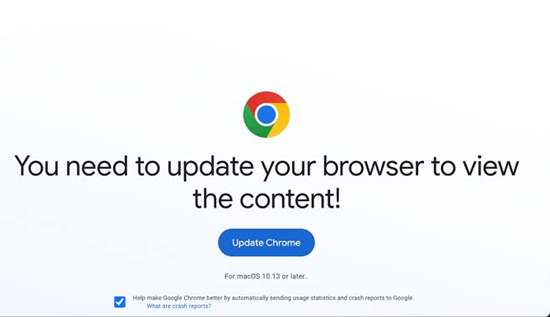
Fake Browser Update Scams: How to Avoid Them
Learn how fake browser update scams work, how to spot fake Chrome update warnings, avoid malware, and safely update your browser.