The Role of VPNs in Business Cybersecurity & Data Protection
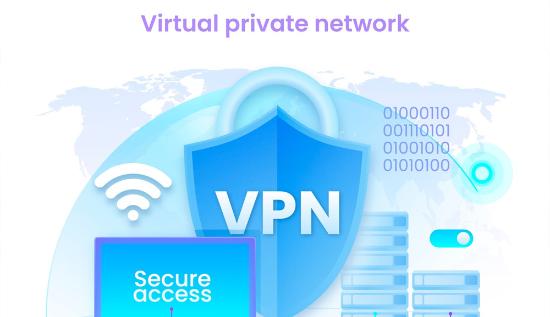
Boost your business security! Discover how VPNs protect corporate data, prevent cyber threats, and ensure secure remote access. Stay ahead in cybersecurity with the right VPN.
In today's digital landscape, cybersecurity is a growing concern for businesses of all sizes. With the increasing number of cyber threats and data breaches, companies must implement robust security measures to protect sensitive information. One of the most effective tools for business cybersecurity is a Virtual Private Network (VPN). The role of VPNs in business cybersecurity is vital in ensuring secure data transmission, protecting corporate networks, and enabling remote work.
Understanding VPNs and Their Role in Business Security
A VPN for business security works by encrypting data that travels between a user’s device and the corporate network. This encryption ensures that unauthorized individuals cannot intercept or manipulate data. Businesses use VPNs to protect their data from cybercriminals, particularly when employees access sensitive information over public or unsecured networks.
Why Businesses Need a VPN
Cyber threats are constantly evolving, and businesses must stay ahead by implementing security measures such as VPNs. Some key reasons why businesses should use a VPN for cybersecurity include:
- Protection from Cyber Threats
Hackers often target businesses to steal financial data, personal customer information, or trade secrets. Using a VPN mitigates these risks by encrypting data and making it difficult for attackers to intercept sensitive information. - Secure Remote Access
The rise of remote work has increased the need for secure remote access with VPN. Employees often access company resources from different locations, and without a secure connection, they could expose corporate data to cyber threats. A corporate VPN allows employees to securely access the business network from anywhere in the world. - Bypassing Geo-Restrictions and Censorship
Companies operating in different countries may face restrictions on accessing certain websites or services. A business VPN helps bypass these restrictions, ensuring smooth business operations regardless of location.
Top Reasons Businesses Need a VPN for Cybersecurity
The role of VPNs in business cybersecurity goes beyond data encryption. Here are some of the top reasons businesses need a VPN for cybersecurity:
1. Protection Against Data Breaches
Data breaches can cause significant financial and reputational damage to businesses. A VPN for business security ensures that data transmitted between employees, clients, and company servers remains encrypted and secure.
2. Enhanced Privacy and Anonymity
A corporate VPN hides a company’s online activities by masking its IP address. This prevents competitors, hackers, and even internet service providers from tracking business activities.
3. Improved Remote Work Security
With remote work becoming the norm, remote work security with VPN is crucial. A VPN for business security protects employees when they connect to public Wi-Fi networks, reducing the risk of cyberattacks.
4. Cost-Effective Cybersecurity Solution
Compared to other business cybersecurity solutions, VPNs are cost-effective and easy to implement. They provide a high level of security without requiring significant financial investment.
5. Compliance with Data Protection Regulations
Many industries, such as healthcare and finance, have strict data protection regulations. A business VPN helps organizations comply with these regulations by ensuring secure data transmission and storage.
How a VPN Protects Businesses from Cyber Threats
Cyber threats such as phishing, malware, and man-in-the-middle attacks are a constant risk for businesses. The role of VPNs in business cybersecurity is to provide an additional layer of defense against these threats.
Cyber Threats and VPN Protection
- Phishing Attacks
Cybercriminals often use phishing emails to steal login credentials. A VPN for business security encrypts data, making it harder for hackers to access sensitive information. - Man-in-the-Middle (MITM) Attacks
Hackers can intercept communications between a user and a website or server. VPN protection prevents MITM attacks by encrypting all traffic between devices and the corporate network. - Ransomware and Malware Attacks
VPNs reduce exposure to malicious websites that may contain ransomware or malware. Employees using a corporate VPN can access only secure, company-approved websites.
Choosing the Best VPN for Businesses
Selecting the best VPN for businesses depends on various factors, including security features, speed, ease of use, and scalability. Here are some key considerations when choosing a business VPN:
1. Strong Encryption and Security Protocols
A VPN for business security should offer robust encryption protocols such as AES-256 and support security features like kill switches and split tunneling.
2. Multiple Server Locations
The best VPN for businesses should have multiple servers worldwide, allowing employees to connect from various locations without compromising speed.
3. Scalability
As businesses grow, they need a VPN solution that can scale with them. The VPN provider should offer flexible plans that accommodate additional users and devices.
4. Reliable Customer Support
A corporate VPN should come with 24/7 customer support to resolve any technical issues promptly.
5. No-Log Policy
A business VPN should have a strict no-log policy to ensure that company data is not stored or shared with third parties.
Corporate VPN Benefits
The benefits of using a corporate VPN extend beyond cybersecurity. Here are some additional advantages:
- Increased Employee Productivity: Secure remote access enables employees to work efficiently without worrying about cyber threats.
- Better Collaboration: A business VPN allows teams to collaborate securely, regardless of their location.
- Cost Savings: Businesses can reduce IT expenses by using a VPN for business security instead of expensive cybersecurity solutions.
- Enhanced Customer Trust: Customers feel more confident sharing personal information with companies that prioritize cybersecurity.
Conclusion
In an era where cyber threats are constantly evolving, businesses must take proactive measures to protect their data and operations. The role of VPNs in business cybersecurity is critical in safeguarding sensitive information, preventing cyberattacks, and enabling secure remote work.
By choosing the best VPN for businesses, companies can enhance business cybersecurity solutions, improve remote work security with VPN, and ensure compliance with data protection regulations. With cyber threats becoming more sophisticated, investing in a business VPN is no longer an option—it is a necessity.
Whether your business is a small startup or a large enterprise, the corporate VPN benefits are undeniable. Why businesses need a VPN is clear: to protect their data, ensure secure remote access, and maintain a competitive edge in the digital world.
More Articles
 21 Aug 2026
How AI Search Is Changing SEO: Things You Must Know
See how AI search is changing SEO, from AI Overviews and AI Mode to content optimization and search visibility.
 19 Aug 2026
Unsafe Websites to Avoid: 10 Warning Signs of a Scam
Spot unsafe websites to avoid with 10 key scam warning signs, including fake URLs, suspicious payments and fraudulent offers.
 18 Aug 2026
Payment Gateway Fees in Cambodia: Costs & Comparison
Compare payment gateway fees in Cambodia, transaction charges, processing costs, setup fees, and key factors businesses should consider when choosing a payment gateway.
 14 Aug 2026
How to Tell If a Video Is AI-Generated: Signs to Check
Detect AI-generated videos and practical examples, verification methods and reliable AI video detection techniques.