Virtual Reality Developer: VR Apps, Games & Tools
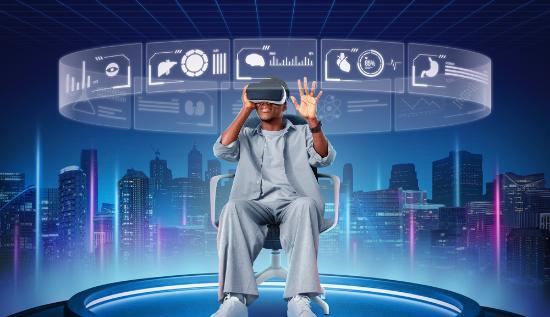
Dreaming of building immersive worlds? Become a virtual reality developer with expert tips on VR tools, game creation, and software development skills.
Virtual reality (VR) is no longer a futuristic concept—it’s a dynamic and rapidly growing field, transforming industries from gaming to healthcare and education. At the heart of this technological revolution stands the virtual reality developer, a highly skilled professional who creates immersive experiences using cutting-edge tools and programming languages.
Whether it’s developing a mind-blowing game or a life-like training simulation, the role of a VR developer is essential in shaping the future of immersive content. In this article, we will explore what it means to be a virtual reality developer, the tools and skills needed, and how to kickstart a career in virtual reality development.
The Role of a Virtual Reality Developer
A virtual reality developer is responsible for designing and building immersive 3D environments and interactions that users can experience using VR headsets such as Meta Quest, HTC Vive, or PlayStation VR. This could include creating VR apps, entertainment games, educational modules, or enterprise training platforms.
Unlike traditional software development, virtual reality programming requires a deep understanding of spatial interaction, motion tracking, and sensory feedback. VR developers must consider not only how a scene looks but also how users interact with and feel inside a digital space.
VR Developer vs. VR Game Developer
There’s a subtle yet significant difference between a VR developer and a VR game developer. While both roles require technical proficiency and creativity, a VR game developer focuses specifically on crafting interactive gaming experiences.
Game development in VR is particularly challenging due to the need for high frame rates, intuitive controls, and fully immersive audio-visual feedback. These developers must work closely with artists, sound designers, and writers to ensure a cohesive experience.
On the other hand, a general virtual reality software developer may build applications for sectors like real estate, architecture, healthcare, or automotive design. Their work might include VR-based surgical simulations or immersive architectural walkthroughs.
Immersive Technology at the Core
Immersive technology—comprising virtual reality, augmented reality (AR), and mixed reality (MR)—is the foundation of the VR industry. These technologies create a sense of presence, making users feel as though they are physically present in a non-physical world.
Virtual reality development hinges on immersive tech to deliver realism and responsiveness. Developers must understand how to harness this technology to build experiences that are believable, engaging, and educational.
As immersive technology continues to evolve, so do the expectations from users. The demand for real-time responsiveness, ultra-realistic graphics, and seamless interaction means developers must stay updated on the latest hardware and software innovations.
Best Tools for VR Development
To thrive as a VR app developer or VR game developer, it's essential to master the industry's leading tools and engines. Here are the best tools for VR development:
1. Unity
Unity is the most widely used game engine for VR development due to its ease of use, vast asset store, and support for multiple platforms. It’s the go-to choice for many beginner and professional virtual reality developers.
2. Unreal Engine
Known for its high-fidelity graphics, Unreal Engine is preferred by VR game developers working on visually intensive projects. It’s ideal for AAA games, architectural visualization, and cinematic experiences.
3. Blender
While not a game engine, Blender is crucial for 3D modeling, animation, and rendering. A VR software developer often uses Blender to design realistic objects and environments that can be imported into Unity or Unreal.
4. VRTK (VR Toolkit)
This open-source toolkit for Unity simplifies the development of VR interactions like grabbing, teleporting, and user interfaces.
5. SteamVR
Developers targeting PC VR users will need to integrate SteamVR SDK for compatibility with headsets like the HTC Vive and Valve Index.
How to Become a Virtual Reality Developer
Wondering how to become a virtual reality developer? Here's a step-by-step path:
1. Learn Programming Languages
Mastering programming languages such as C#, C++, and Python is essential for virtual reality programming. C# is used with Unity, while C++ is the backbone of Unreal Engine.
2. Study 3D Graphics & Mathematics
Understanding 3D graphics, vectors, and transformations is crucial for creating immersive environments. Knowledge of linear algebra and geometry will give you an edge.
3. Get Hands-On with VR Devices
Invest in a VR headset and start experimenting. Most VR developers begin by building small prototypes to understand motion tracking, user interaction, and spatial audio.
4. Build a Portfolio
Showcase your skills through projects. Whether you’re aiming to be a VR app developer or VR game developer, having a diverse and polished portfolio will attract employers or clients.
5. Join the Community
Collaborate with other developers on platforms like GitHub, Reddit, and Discord. These communities provide valuable feedback, resources, and even job leads for aspiring virtual reality developers.
Skills Needed for a Virtual Reality Developer
A successful virtual reality developer must possess a blend of technical, creative, and analytical skills. Here are the top skills needed for virtual reality developers:
1. 3D Modeling and Animation
Creating believable 3D environments and characters is fundamental. Tools like Blender, Maya, and 3ds Max are widely used.
2. Programming
Strong coding skills in C#, C++, or Python are non-negotiable. Scripting interactive elements, AI behaviors, and physics-based interactions requires precision and performance optimization.
3. UX/UI Design for VR
Designing for VR is not the same as for flat screens. You must consider how users interact using motion controllers, gestures, or gaze tracking.
4. Spatial Audio Engineering
Sound is a powerful tool for immersion. Knowing how to design spatial audio effects greatly enhances the user experience.
5. VR SDKs and APIs
Familiarity with Oculus SDK, OpenXR, or SteamVR API is essential for integration and deployment.
Real-World Applications Beyond Gaming
While gaming is a dominant segment, virtual reality development goes far beyond entertainment. Here are some sectors embracing VR:
- Healthcare: Training surgeons, simulating emergencies, and treating phobias using VR therapy.
- Education: Virtual field trips, historical re-creations, and science labs offer engaging learning.
- Architecture: Clients can walk through virtual buildings before construction begins.
- Retail: Try-before-you-buy experiences, especially in fashion and home decor.
- Military and Defense: Tactical training, simulation, and situational awareness exercises.
Each of these applications requires the expertise of a virtual reality software developer to build secure, scalable, and user-friendly solutions.
The Future of Virtual Reality Programming
As hardware becomes more powerful and accessible, the demand for skilled virtual reality developers will skyrocket. With Apple entering the space with Vision Pro and Meta doubling down on the Metaverse, the need for innovative VR content is at an all-time high.
The rise of AI and machine learning is also influencing virtual reality programming by enabling dynamic user experiences, behavior prediction, and personalized content generation. The synergy between VR and AI will be a game-changer in the coming years.
Conclusion
Becoming a VR developer is a rewarding and future-proof career path. Whether you aim to specialize as a VR game developer, a VR app developer, or a broader virtual reality software developer, your work will directly influence how users experience the digital world.
Mastering immersive technology, staying up to date with the best tools for VR development, and continually honing your technical and creative skills will position you for success in this dynamic field.
If you’re wondering how to become a virtual reality developer, the time to start is now. The world of virtual reality development is not only exciting but also rich with opportunity—so dive in and start building the future today.
More Articles
 04 Apr 2026
Best Food Delivery Apps Cambodia – Fast & Easy 2026
Hungry in Phnom Penh? Use the best food delivery apps in Cambodia 2026 to get hot food delivered. See which apps offer the lowest delivery fees.
 03 Apr 2026
Screenshot Tools Online – Free Screen Capture 2026
Best screenshot tools online for fast screen capture and sharing. Free options for full-page capture and annotations in 2026.
 02 Apr 2026
Best Shopping Apps Cambodia – Top Online Apps 2026
Shop the top-rated apps in Cambodia for 2026. Get fast delivery on fashion, tech, and groceries using the most trusted mobile platforms today.
 01 Apr 2026
Learn Coding for Beginners – Step-by-Step Tutorials
Step-by-step guide to coding for beginners with practical tutorials and essential resources to start coding in 2026 confidently.