Supply Chain Control Tower: Benefits, Features and How It Works
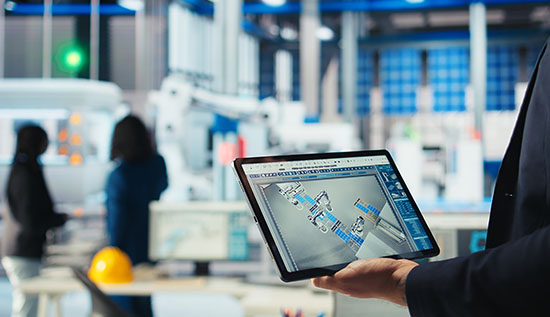
Implementing a supply chain control tower improves real-time tracking, cost savings, collaboration, and risk management across your entire operation.
In the current dynamic and fast-paced global economy, companies need to be able to quickly adjust to changes in the market, disruptions and client needs. One powerful solution that enables organizations to gain visibility, agility and efficiency is the control center.
Modern supply chains are becoming increasingly complex. Businesses must coordinate suppliers, manufacturers, warehouses, transportation providers, distributors, and customers while responding to changing demand, delivery delays, inventory shortages and unexpected disruptions.
Managing all these moving parts with spreadsheets, disconnected systems, and delayed reports can make it difficult to understand what is happening across the entire supply chain.
A supply chain control tower provides a centralized way to connect operational data, monitor supply chain activities, identify exceptions and support faster decision-making. Instead of relying on separate systems for inventory, logistics, procurement and transportation, businesses can bring critical information into a unified view.
Modern control towers can also use artificial intelligence (AI), machine learning, IoT data, and advanced analytics to move beyond simple monitoring toward predictive and proactive supply chain management.
For companies seeking better visibility, lower operational costs, improved customer service and stronger supply chain resilience, a supply chain control tower can become an important part of their digital transformation strategy.
What Is a Supply Chain Control Tower?
A supply chain control tower is a centralized digital platform that collects and analyzes information from different parts of a supply chain and presents it through a unified view.
It can connect data from systems such as: Enterprise Resource Planning (ERP), Warehouse Management Systems (WMS), Transportation Management Systems (TMS), Supplier platforms, Logistics providers, Inventory systems, IoT devices, Customer and order management systems.
The purpose is not simply to display information. A modern control tower helps teams understand what is happening, why it is happening, what could happen next and what action should be taken.
For example, if a supplier shipment is delayed, the system can identify the affected inventory, customers, production schedules and transportation plans. Advanced platforms may then provide recommendations for mitigating the disruption.
This makes a supply chain control tower more than a dashboard. It acts as an operational hub connecting data, people and decisions across the supply chain.
Core Advantages of Using a Supply Chain Control Tower
Before diving into the specific benefits, it’s important to understand why control towers are gaining momentum across industries. A supply chain control tower bridges that gap by offering real-time oversight, predictive capabilities and integrated decision-making also, making it a vital component of any supply chain strategy in the current day.
1. End-to-End Visibility: The biggest advantage of a control center is the real-time visibility it provides. Every step of the supply chain is tracked from locating raw materials to shipping completed goods assisting decision-makers in taking prompt and efficient action.
Example: A multinational electronics manufacturer used a supply chain control center to track shipments globally. When a weather disruption delayed shipments in Southeast Asia, the tower provided real-time alerts and suggested alternate routing to maintain delivery schedules.
This type of responsiveness allows businesses to build trust with customers, meet service level agreements (SLAs), and reduce the impact of delays.
2. Faster, Data-Driven Decision-Making: A monitoring tower collects and analyzes large volumes of data from warehouses, logistics businesses, and suppliers. The insights enable leaders to make better decisions faster, particularly during emergencies.
For example, when raw material prices spike or transportation lanes become unavailable a well-integrated supply chain control tower software can use AI-powered simulations to suggest the optimal course of action.
3. Enhanced Collaboration Across the Ecosystem: Using cloud-based solutions like AWS Control Tower, companies can consolidate operational, security and governance procedures. This enhances collaboration across departments, regions and even external partners. By better aligning production plans with supplier constraints and demand forecasts, businesses may cut waste and boost agility.
4. Operational Efficiency and Cost Reduction: A control center finds inefficiencies and suggests fixes using automated workflows and predictive analytics, which lowers costs and streamlines procedures.
Example: A global FMCG brand reduced transportation costs by 15% after implementing a supply chain control center that optimized carrier selection and also route planning.
This modification also helped to minimize carbon emissions and gasoline consumption, thereby helping both sustainability and cost control goals.
5. Sustainability and Compliance Monitoring: Solutions like SAP Sustainability Control Tower allow businesses to monitor their carbon footprint, assure ethical sourcing and meet regulatory requirements also. Sustainability KPIs are integrated into daily operations to enable proactive monitoring.
For example, a retail chain used SAP Sustainability Control Tower to monitor energy usage, identify high-impact retailers, and conduct corrective actions, resulting in a 20% reduction in energy consumption.
How Does a Supply Chain Control Tower Work?
A typical supply chain control tower works through several connected stages:
- Data Collection: The platform collects information from internal systems, suppliers, logistics partners, warehouses, transportation networks and external data sources.
- Data Integration: Different data sources are connected and standardized so teams can work from a consistent view rather than relying on isolated information.
- Real-Time Monitoring: The system monitors inventory, orders, shipments, production, deliveries, and other important supply chain activities.
- Exception Detection: When something goes outside expected conditions, such as a shipment delay, inventory shortage, or supplier issue, the system can generate an alert.
- Analytics and Prediction: Advanced solutions use analytics, AI and machine learning to identify patterns, forecast potential problems and evaluate possible outcomes.
- Decision and Action: Teams can prioritize the most important issues and coordinate corrective actions with suppliers, logistics providers and internal departments.
This combination of visibility, analytics, exception management and action is what makes modern control towers valuable for complex supply chains.
Key Benefits of a Supply Chain Control Tower
Implementing a supply chain control tower can provide benefits across logistics, inventory, procurement, manufacturing and customer fulfillment.
1. End-to-End Supply Chain Visibility: One of the biggest benefits is improved visibility. Businesses can monitor orders, inventory, shipments, suppliers, transportation and fulfillment activities from a centralized platform.
Instead of asking different departments for separate updates, decision-makers can access a connected view of supply chain performance. This helps organizations identify bottlenecks and delays earlier and understand how one event may affect other parts of the network.
2. Faster and Better Decision-Making: Supply chain decisions often need to be made quickly. A supply chain control tower brings relevant information together so managers can analyze situations without manually collecting data from multiple systems.
For example, if transportation capacity suddenly becomes unavailable, managers can assess affected shipments and inventory and consider alternative transportation options. Real-time data and analytics allow teams to make decisions based on current conditions rather than outdated reports.
3. Improved Supply Chain Resilience: Unexpected disruptions can come from many sources, including supplier failures, transportation delays, extreme weather, geopolitical events and sudden changes in demand. Control towers help organizations identify potential disruptions earlier and understand their impact.
Predictive capabilities can provide early warnings, while scenario analysis can help teams evaluate possible responses.
This proactive approach can improve supply chain resilience and reduce the impact of unexpected events.
4. Reduced Operational Costs: Better visibility can help businesses identify unnecessary costs and operational inefficiencies.
A supply chain control tower can help optimize: Transportation routes, Inventory levels, Warehouse operations, Supplier performance, Order fulfillment, Carrier selection and Delivery planning.
Reducing unnecessary transportation, excess inventory, and manual administrative work can contribute to lower operating costs.
5. Better Inventory Management: Inventory problems can create significant business costs. Too much inventory ties up working capital, while too little inventory can result in stockouts and lost sales.
A control tower can combine demand, supply, inventory, and logistics data to give teams a clearer understanding of inventory conditions.
With predictive analytics and forecasting, businesses can identify potential shortages or excess inventory earlier and adjust their plans accordingly.
6. Stronger Collaboration: Supply chains involve many stakeholders. Procurement teams, manufacturers, warehouses, carriers, suppliers, distributors and customer-service teams all need access to relevant information.
A centralized platform creates a common source of operational information and can make collaboration easier. Instead of each team working from different spreadsheets or systems, stakeholders can coordinate around the same data and prioritize the same critical issues.
Collaboration and information sharing are recognized as important capabilities of modern control tower platforms.
7. Improved Customer Satisfaction: Customers expect accurate orders and reliable delivery times. Supply chain disruptions can quickly affect customer satisfaction.
By identifying delivery risks earlier and enabling faster responses, a supply chain control tower can help companies improve service levels and communicate more accurate delivery information. Better supply chain visibility ultimately helps organizations become more responsive to customer needs.
8. Better Performance and KPI Monitoring: Control towers can provide dashboards for monitoring important supply chain KPIs.
Common metrics include: On-time delivery, order fulfillment rate, inventory turnover, transportation costs, supplier performance, lead times, stockout rates, forecast accuracy and perfect order rate.
Tracking these metrics from one platform makes it easier for managers to identify performance problems and monitor improvements.
Supply Chain Control Tower Software: Key Features to Look For
When selecting a supply chain control center software ensure it offers:
- Real-time visibility dashboards
- AI/ML-powered analytics and projected outcomes
- Integration of third-party systems
- Customizable alarm systems
- User-friendly interfaces for all stakeholders
These characteristics should be scalable and sufficiently adaptable for withstanding both short-term disruptions and long-term strategy adjustments.
Popular Tools:
- SAP Sustainability Control Tower
- AWS Control Tower for secure cloud infrastructure
- IBM Sterling, Oracle, Blue Yonder, and other sophisticated technologies
Real-World Use Cases of Supply Chain Control Towers
Here are two real-world instances that demonstrate the effectiveness of implementing a control building:
Example 1: Automotive Supply Chain Resilience
An automotive parts supplier implemented a supply chain control centre software integrated with AWS Control Tower. As a result, they could predict semiconductor shortages six months ahead, allowing them to shift sourcing strategies and avoid production shutdowns.
Example 2: Retail Sustainability Tracking
A global apparel brand used SAP Sustainability Control Tower to monitor water usage and chemical compliance across its suppliers. By doing so, they enhanced brand reputation and qualified for government sustainability incentives.
The Future of Supply Chain Control Towers
The next generation of supply chain control towers is increasingly focused on AI, automation, predictive analytics and real-time decision support.
AI can help organizations move from simply answering “What is happening?” toward questions such as: What is likely to happen next? Which shipments are at risk? What will happen if demand changes? Which supplier creates the greatest risk? What is the best response to a disruption? Which action should be prioritized?
IoT can also provide real-time information from physical supply chain assets, while AI can analyze these signals and generate predictions or recommendations.
As these technologies mature, control towers are likely to become increasingly focused on orchestration and automated decision-making, rather than simply displaying supply chain information.
Conclusion
A supply chain control tower gives organizations a centralized way to connect supply chain data, improve visibility, identify exceptions and make faster decisions.
From inventory and procurement to transportation and customer delivery, businesses can use control tower technology to gain a more complete view of their operations.
The major benefits include end-to-end visibility, faster decision-making, improved resilience, lower costs, better inventory management, stronger collaboration and improved customer service.
However, successful implementation depends on more than technology. Organizations need reliable data, well-defined KPIs, connected systems, clear processes and collaboration between business and technology teams.
As AI, machine learning, IoT and automation continue developing, modern control towers are moving beyond monitoring toward predictive and proactive supply chain management. For organizations managing complex global supply networks, this shift can provide an important foundation for greater agility, resilience and operational efficiency.
Read More: 10 Best Cities: Supply Chain Management Jobs for Freshers
FAQs
1. What is a supply chain control tower?
A supply chain control tower is a centralized digital platform that integrates supply chain data to provide visibility, identify exceptions, analyze risks and support faster decisions.
2. What are the main benefits of a supply chain control tower?
The main benefits include real-time visibility, faster decision-making, improved supply chain resilience, lower costs, better inventory management, stronger collaboration and improved customer service.
3. What does supply chain control tower software do?
Supply chain control tower software connects data from systems such as ERP, WMS, TMS, suppliers, and logistics providers to monitor operations and identify potential problems.
4. How does a control tower improve supply chain visibility?
It combines information from multiple systems into a centralized view, allowing teams to monitor inventory, orders, shipments, suppliers and logistics activities more effectively.
5. Does a supply chain control tower use AI?
Many modern control tower platforms use AI and machine learning for predictive analytics, risk detection, forecasting, recommendations and automation.
6. Is a control tower suitable for small businesses?
It can be, particularly when a business has multiple suppliers, warehouses, sales channels, or logistics partners. The appropriate solution should match the company's complexity, budget and growth plans.
More Articles
 23 Oct 2026
Website Audit Score: How to Check and Improve It
Check your website audit score, identify SEO issues, improve technical performance, site health and search visibility.
 21 Oct 2026
Low-Value Content: How to Identify and Fix It
Identify low-value content, improve content quality and fix SEO issues with practical strategies to boost website usefulness.
 20 Oct 2026
Session Hijacking: How It Works and How to Prevent It
Learn what session hijacking is, how session cookie theft works, common attack signs, and effective prevention strategies to protect accounts and web applications.
 16 Oct 2026
Orphan Pages in SEO: How to Find and Fix Them
Identify orphan pages in SEO and apply practical strategies to improve internal linking and discoverability.