Custom Software vs Off-the-Shelf Software: Which Is Better?
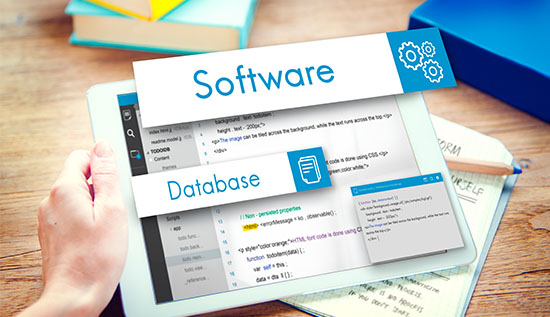
Custom software vs off-the-shelf software explained with pros and examples to support better technology decisions in business.
Choosing the right technology is no longer simply a matter of taste in today's digitally dominated business world; it's a strategic critical requirement. The choice of whether to spend is one of the most important ones that businesses have to make in custom software vs standard software also. This choice can have a considerable impact on long-term cost structure, customer satisfaction, efficiency and the capacity for expansion.
Businesses across industries rely heavily on business software solutions to improve productivity, streamline processes and automate workflows. However, not every piece of software is identical to each other. While some companies prefer ready-made software solutions that are quick to deploy and cost-effective, others opt for bespoke software solutions tailored specifically to their unique needs.
The debate around custom software vs off-the-shelf software comparison often comes down to flexibility, cost, time and long-term value also. On one hand, standard software provides ease of accessibility and immediate availability. On the other hand, customized applications creation gives you an advantage over your competitors, tailored functionality and an opportunity to expand your business.
To make smart choices, you need to know the distinctions between both of these approaches. Whether you're an independently owned company looking for inexpensive equipment or a large company shopping for specialized equipment, knowing which is better custom software or off-the-shelf software can help you avoid costly mistakes.
This comprehensive guide will break down everything you need to know about tailor-made software vs. ready-made software, it provides advantages, disadvantages, constraints, examples from everyday situations and a step-by-step guide to help you make an informed decision. At the end, you'll have a solid understanding of which choice matches your business goals most effectively.
What Is Custom Software and Off-the-Shelf Software?
Before comparing features and benefits, it’s important to understand what each option offers. Many businesses struggle with tailor-made software vs. ready-made software because they don’t fully see how each impacts operations, scalability and long-term growth.
It's the same idea behind both: to use technology to solve business problems but in very different ways. Standard software is made with standard features for a wide range of users, while custom software development focuses on making systems that work only with certain processes.
Understanding Custom Software Development
Custom software development is the process of planning, creating and putting into use software that is especially designed to meet the needs of a business. Custom software, on the other hand, is either made from scratch or has been highly changed to fit specific workflows, processes and goals.
Custom software solutions like these are usually made by specialized software development service providers or development teams that work for the company itself. The main goal is to make a system that works exactly with how a business works, instead of making the business change to fit the software also.
Key Characteristics of Custom Software
- Customized to meet the needs of each business
- Very scalable and adaptable
- Works perfectly with current systems
- Offers functions that aren't found in other tools
- Better data protection and management
- Long-term cost savings despite a bigger initial investment
When It Makes Sense to Get Custom Software
These situations make custom methods especially useful:
- One-of-a-kind or complicated business methods
- Deep integration with internal processes is needed
- Commercially available tools don't meet important needs
- You want to own and control your software completely
Discovering Off-the-Shelf Software
Standard software includes ready-made apps that are made to be used by many people. You can easily buy or subscribe to these tools, which are made to meet the wants of a wide range of people.
From accounting systems to CRM platforms and HR tools, standard software dominates the market because of its accessibility and ease of use. These ready-made software solutions are ideal for businesses that need quick deployment without investing heavily in development.
Key Characteristics of commonly used software
- Getting ready to use right away
- Lower costs up front
- Features that are standard and good for most people
- Maintenance and changes handled by the vendor
- Few choices for customization
- Pricing models based on subscriptions
When Off-the-Shelf Software Is Ideal?
It works best when this kind of method is used:
- The whole industry agrees with your needs
- You need an easy and cheap answer right away
- You don't have enough technical tools to build
- You would rather have a vendor handle upkeep and updates
Custom software is different from standard software in its core
The core distinction in tailor-made software vs. ready-made software lies in personalization vs convenience.
- Custom software development focuses on building a solution around your business
- Commonly used software requires your business to adapt to the software
This difference has an impact on cost, freedom, scalability and value in the long run. When comparing custom software to standard software, customization gives you a strategic edge, while ready-made tools give you speed and ease of use.
Which is better, custom software or standard software? The answer depends on how well each choice fits your business's goals, operational complexity and growth plans.
Advantages and Disadvantages of Each Approach
Investing in custom software development are extremely beneficial, especially for businesses that have particular requirements.
Advantages and disadvantages
- Personalization: Made to correspond with your processes precisely based on
- Scalability: It is capable of expanding with your business's growth also
- Integration: Connects to current systems without any difficulties
- Competitive Edge: Things that make you stand out give you a competitive advantage
Example Use Case 1: E-Commerce Platform
Because it wants to cut down on delays and make customers happier, an increasing population internet-based retailer creates a custom stocking system that is compatible with its suppliers.
Example Use Case 2: Healthcare System
A hospital makes its own unique patient management system that is compatible with its current processes. This helps to make it more efficient and compliance.
Advantages and Disadvantages of Off-the-Shelf Software
Understanding the advantages and disadvantages of off-the-shelf software is essential for companies that want to launch immediately.
Advantages
- Fewer beginning investments
- Rapid implementation
- Support and frequent modifications
- Guaranteed dependability
Problems
- Restricted form factor
- Paying for a subscription progressively
- Possibly include tools that are not necessary
- Integration Problems
Example Use Case 1: Small Business Accounting
A company keeps keeping track of its money without having to employ developers through the use of a ready-made accounting software program.
Example Use Case 2: Project Management
A company that promotes uses a renowned tool for project management to quickly arrange the tasks responsibilities performed by its employees.
Custom Software vs Off-the-Shelf Software Comparison
When conducting a custom software vs off-the-shelf software comparison, several important factors that directly affect your business's performance, profitability and ability to grow in the long run should be carefully analyzed. That's why knowing the differences between these options will help you make a better choice.
1. Cost
- Custom software: Due to development, testing and deployment, it usually needs a bigger investment up front. In the long run, though, it may be cheaper because there aren't any ongoing licensing fees and there aren't as many restrictions also.
- Standard software: It usually costs less at first which makes it appealing to startups. However, updates, subscription fees and add-ons can make the total cost go up over time.
2. Time to Deploy
- Custom software: It takes longer to plan, build and use because it is custom made for your business.
- Ready-to-use software: Can be put to use right away, so businesses can start using it with little setup.
3. Flexibility
- Custom software: Allows businesses to completely customize features, processes and integrations to fit their needs.
- Standard software: User methods must be changed to fit the software's built-in features, leaving little room for flexibility.
4. Scalability
- Custom software: It's easy to expand and can grow with your business, so it's perfect for long-term growth.
- Standard software: May not be able to keep up with business growth and may need updates, more licenses or even replacement.
5. Maintenance and Support
- Custom software: Requires ongoing maintenance, updates, and technical support, usually managed by internal teams or software development services providers.
- Off-the-shelf software: The provider takes care of maintenance and updates which limits control but reduces internal workload.
This custom software vs standard software comparison shows that there isn't a single answer. The best option for your business will rely on its size, budget, how complicated its operations are and its long-term goals also. Knowing these things will help you choose between custom software and standard software that fits your needs.
How to Choose the Right Business Software Solution
Choosing between tailor-made software vs. ready-made software requires a thorough look at the means, needs and long-term plan of your business. You can't just pick any software. The right choice will depend on how well it fits with your business goals and plans for future growth.
Step-by-Step Decision Guide
Step 1: Define Your Business Needs
Start by making a list of your processes, problems and goals. Think about what issues you want the software to fix and what benefits of custom software development for businesses. Companies with very specific processes often do better more from custom software development, while those with standard needs may find commonly used software sufficient.
Step 2: Evaluate Budget
Budget plays a crucial role in the decision-making process. Custom software development typically requires a higher upfront investment but may reduce long-term costs. In contrast, standard software is more affordable initially but often involves ongoing subscription or licensing fees.
Step 3: Consider Scalability
Think about your company’s future growth. Will your software still meet your needs in 2–5 years? Custom software is designed to scale as your business expands, while many ready-made software solutions may require upgrades or replacements as demands increase.
Step 4: Assess Integration Needs
Look at how the new software will attach to the systems you already have. That's easier to do with custom programs than with standard platforms, especially for firms that use a lot of different tools or complex processes.
Step 5: Assess the value over the long term
Consider the total cost of ownership instead of just the initial prices. This includes repairs, upgrades, training and making things run better. When comparing custom programs to stock software, you should always think about the long-term return on effort.
When to Choose Custom Software
You should consider custom software development if:
- Your business methods are one-of-a-kind or very specific.
- You must have full power over security, performance and features.
- You need for current systems to work with yours without any problems.
- You want a long-term answer that can grow with your company.
- You want to stay ahead of your rivals by coming up with new ideas.
When to Choose Off-the-Shelf Software
You should consider standard software if:
- The answer needs to be quick, easy, and require little setup.
- Your company's needs are common and generally supported.
- Your starting investment budget is tight.
- Updates and upkeep should be handled by the vendor.
- You want an established option with a history of user support.
By following this structured approach, businesses can confidently decide which is better custom software or standard software based on their specific situation. By taking the time to think about each factor, you can be sure that the option you choose will support both your present operations and your plans for growth in the future.
Real-World Scenarios and Practical Insights
Understanding custom software vs commonly used software looking at use cases from real life makes it easy. Which firms actually do is pick solutions based on their size, industry and stage of growth? These scenarios highlight how companies approach the tailor-made software vs. ready-made software comparison and help answer which is better custom software or off-the-shelf software in different situations.
Scenario 1: Startup vs Enterprise
Startups often choose commonly used software because it is quick to deploy and budget-friendly. These ready-made software solutions help them operate efficiently without heavy investment. As they grow, many transition to bespoke software solutions to handle complex workflows. In contrast, enterprises typically adopt custom software development early to meet advanced requirements and integration needs.
Scenario 2: Industry-Specific Needs
Industries like healthcare and banking need to follow strict rules and have their own unique ways of doing things. When this happens, it's better to have custom software made because off-the-shelf software might not fully meet these needs.
Scenario 3: Hybrid Approach
This is what a lot of businesses do: general purpose apps that you can buy off the shelf and software creation services can add the features you want.
For modern business software, this method strikes a good mix between cost, flexibility and efficiency.
These examples show that the best choice in tailor-made software vs. ready-made software depends on your specific needs and long-term goals.
Conclusion
The debate around custom software vs commonly used software it all comes down to your business's long-term goals, budget and strategy. Even though there isn't a single right answer, knowing the pros and cons of each choice can help you make a better one.
Custom software development it all comes down to your business's long-term goals, budget and priorities. If you know the pros and cons of each choice you can make a better decision.
On the other hand, commonly used software offers ease of use, low cost and quick setup. It works well for companies with normal needs and small funds. It might not be flexible or scalable enough for long-term growth, though.
When evaluating which is better custom software or off-the-shelf software, think about both your present wants and your hopes for the future. Making a choice based on good information can save time cut costs and improve the efficiency of operations.
Often, the best answer is a mix of the two: use ready-made software for general tasks and spend money on custom software for important tasks.
By carefully analyzing your requirements and following a structured decision-making process, you can confidently choose the right path in the ongoing debate of tailor-made software vs. ready-made software and set your business up for long-term success.
Read More: Windows Settings Making Your PC Slow in 2026
More Articles
 25 Aug 2026
What Is an Infostealer? How It Steals Your Passwords
What is infostealer malware? Learn how infostealers steal passwords, browser cookies and personal data, how to detect an infection, and how to protect your devices.
 21 Aug 2026
How AI Search Is Changing SEO: Things You Must Know
See how AI search is changing SEO, from AI Overviews and AI Mode to content optimization and search visibility.
 19 Aug 2026
Unsafe Websites to Avoid: 10 Warning Signs of a Scam
Spot unsafe websites to avoid with 10 key scam warning signs, including fake URLs, suspicious payments and fraudulent offers.
 18 Aug 2026
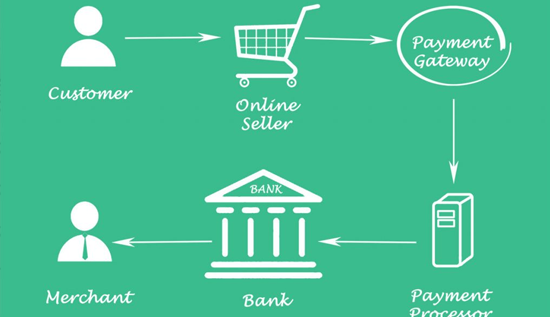
Payment Gateway Fees in Cambodia: Costs & Comparison
Compare payment gateway fees in Cambodia, transaction charges, processing costs, setup fees, and key factors businesses should consider when choosing a payment gateway.