How to Become a Blockchain Architect

Become a successful blockchain architect with expert guidance, certifications, roadmap and hands-on projects.
The world is quickly moving toward decentralized digital infrastructures at the heart of this change is blockchain. One position has become crucial as businesses scramble to incorporate this technology: that of the blockchain developer.
Regardless of your level of experience as a developer or your aspirations as a tech strategist, understanding how to become a blockchain architect is essential if you want to shape the next generation of innovation.
In this guide, we’ll explain what is blockchain developer, dive into what does a blockchain architect do, explore salary prospects, review the best certifications and walk you through the full blockchain developer roadmap step by step.
You'll also discover real-life applications and also practical skills to make yourself job-ready in this fast-moving field.
What Is a Blockchain Architect?
You might be wondering, what is blockchain developer and what distinguishes this from a typical blockchain developer? Scale and strategy hold the key.
The task of creating the structural blueprint for blockchain-based apps and systems falls to a blockchain developer. This include choosing blockchain platforms (such as Hyperledger or Ethereum) creating consensus models, putting smart contracts into place and making sure the end product is safe, scalable and in line with corporate objectives.
But beyond technology, what is blockchain architect in a business sense? Along with working with stakeholders to convert enterprise needs into technological solutions these experts also act as strategic consultants. They oversee development teams choose appropriate technology stacks and also ensure that rules are adhered to.
It is critical to understand what a blockchain designer is since it illustrates that this function is not only technical but also strategic and visionary, laying the groundwork for effective blockchain technology deployment.
What Does a Blockchain Architect Do?
Let’s break down what does a blockchain architect do in practical terms. This position is both technical and leadership oriented also. It blends architectural thought with significant technology understanding to bring blockchain projects from concept to completion.
Key Responsibilities:
- Designing blockchain infrastructure, including nodes, smart contracts and APIs
- Selecting the appropriate blockchain protocol (public vs. private)
- Propose consensus techniques that are appropriate for use situations
- Building scalable and safe systems with smart contract logic
- Working with data scientists, developers and business teams
- Ensuring compliance to data security and industry standards also
- Managing the entire project life cycle from architecture to deployment and maintenance
If you’ve been asking, what does a blockchain developer do the answer is this: they build the backbone of blockchain innovation.
Why Choose a Career as a Blockchain Architect?
Becoming a blockchain architect offers a blend of technological excitement, financial reward and long-term career relevance. As blockchain usage grows, particularly in financial, logistics, identity management and even entertainment, firms want trained professionals who can put together these complex systems also.
Benefits of the Role:
- High salary potential
- Leadership opportunities in blockchain innovation
- Capable of working on large-scale worldwide projects
- Available for remote or freelance work
- Long-term demand as Web3 and decentralized technologies develop
If you want to become a certified blockchain solution architect or collaborate with Fortune 500 companies. This role provides an opportunity to influence the future of digital systems also.
Understanding the Blockchain Architect Salary
The blockchain architect salary is among the highest in the blockchain employment market, which reflects the skill set's uniqueness and value.
In major markets like the United States and Europe, blockchain developers typically earn between $150,000 and $200,000 per year. In tech hubs like India or Singapore, skilled professionals may earn from $80,000 to $140,000 annually with contract-based roles often commanding even more.
Freelancers or consultants offering their services as certified blockchain solution architects can demand higher prices, particularly when collaborating with businesses that need unique blockchain solutions. Earning potential is affected by a number of factors, including project complexity, credentials and experience.
How to Become a Blockchain Architect
If you're prepared to set out on the adventure, this helpful, simple-to-follow guide describes how to become a blockchain architect in today's market.
1. Build Strong Technical Foundations
Start with programming languages commonly used in blockchain like Python, Solidity, Go and JavaScript. Investigate fundamental computer science concepts such as data structures, cryptographic hashing and distributed computing. A background in cloud architecture or DevOps is also advantageous.
2. Master Blockchain Fundamentals
Before designing blockchain systems you must understand the mechanics of blockchain technology:
- A ledger: what is it?
- How are chains and blocks connected?
- How do public and private blockchains differ from one another?
- How precisely do consensus techniques and smart contracts operate?
- Having an understanding of the basics will allow you to explain blockchain architecture with confidence.
3. Enroll in a Blockchain Developer Course
The right education will accelerate your learning curve. A good blockchain developer business strategy, blockchain security, smart contract design and technical architecture are all covered in the course. Seek out practical courses or boot camps that allow you to construct actual projects.
Some notable programs include:
- Certified Blockchain Solution Architect (CBSA)
- Blockchain specialization on Coursera or Udemy
- Enterprise Blockchain Architecture by IBM or EdX
By completing a blockchain architect course, you’re gaining the essential building blocks for your career.
Become a Certified Blockchain Solution Architect
A certification shows that you have practical architectural knowledge and lends credibility also. Obtaining the title of a certified blockchain solution architect opens doors to top-tier jobs and consulting opportunities.
These programs typically test your ability to:
- Design enterprise blockchain systems from scratch
- Evaluate and compare different blockchain technologies
- Apply best practices in scalability, privacy, and security
- Lead teams in implementing decentralized solutions
Not only do you gain recognition, but you also gain confidence in applying what you’ve learned to real-world business problems.
Gain Practical Experience Through Projects
You can’t become a successful blockchain architect without developing practical apps. Begin by implementing Ethereum smart contracts, developing DApps and testing out frameworks like as Hyperledger Fabric.
Example 1: Design a decentralized finance (DeFi) platform where users can lend and borrow digital assets without intermediaries. This project would teach you how to integrate smart contracts, set up secure user wallets and manage real-time transactions.
Example 2: Create a blockchain solution for medical record management. Your architectural abilities will be put to the test as you work on issues including patient identification, data protection, and interoperability across various healthcare systems.
These kinds of projects solidify your learning and show potential employers that you're more than just certified you’re capable.
The Ultimate Blockchain Architect Roadmap
Here’s the complete blockchain architect roadmap, newly enlarged with additional background information and useful benchmarks:
Phase 1: Foundation
Understand what is blockchain architect and the role's place in the Web3 environment. Discover the fundamentals of cryptography and blockchain processes and develop skills in networking and basic programming languages.
Phase 2: Skill Development
Use Solidity with Ethereum to develop smart contracts and DApps. Explore the performance, security and scalability of different blockchain systems, including Cardano, Solana and Hyperledger.
Phase 3: Certification and Advanced Courses
Enroll in a top-rated blockchain architect course. Obtain your certified blockchain solution architect title and enroll in electives including DeFi systems privacy and compliance.
Phase 4: Actual Projects
Work on blockchain use cases that are pertinent to the industry. Contribute to open-source blockchain repositories and take part in forums, development groups and hackathons.
Phase 5: Specialization and Leadership
Oversee blockchain implementation projects, provide consulting services to businesses, build your own company, and keep abreast of developments in governance, legislation, and protocols.
Following this blockchain developer roadmap ensures you're not only technically capable but also business-ready.
Conclusion
To sum it all up, what does a blockchain architect do? They build the decentralized, secure networks of the future addressing the most challenging issues facing humanity.
If you’ve ever asked yourself how to become a blockchain architect, the solution is already in your grasp: adhere to the proper plan, enroll in a structured course for blockchain developers, obtain your certification, and create significant, practical solutions.
With growing demand, excellent compensation, and the chance to innovate in nearly every industry, there’s never been a better time to pursue the role of a blockchain architect. The future is decentralized start designing it today.
Read More: How to Become a Blockchain Architect: Skills & Salary
More Articles
 22 Jul 2026
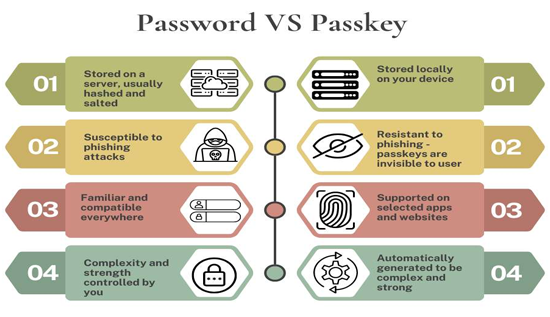
Passkeys vs Passwords: Security Comparison
Discover how passkeys compare to traditional passwords, learn how passwordless authentication works, and find out which option offers better security for protecting your online accounts.
 17 Jul 2026
Rust vs Go: Which Language Is Better in 2026?
Compare Rust vs Go in 2026, including performance, backend development, memory safety and the best language for your projects.
 15 Jul 2026
What Is Synthetic Data? Benefits, Uses & Examples
Understand synthetic data explained, its benefits and real-world AI examples that improve privacy and machine learning.
 14 Jul 2026
Best Mobile Networks in Cambodia (2026 Guide)
Discover the best mobile networks in Cambodia in this 2026 guide. Compare coverage, speed, pricing, and find the best SIM card in Cambodia for tourists, travelers, expats, and residents.