Human Augmentation Technology: Future Breakthroughs 2026
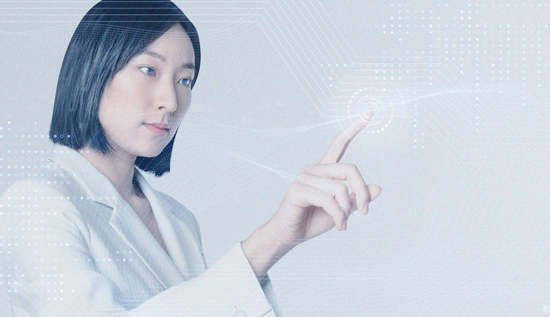
Discover the future of human augmentation technology in 2026—exploring advanced human augmentation devices, tools, innovations, and breakthroughs shaping the future of human enhancement and technology.
Introduction
In an era where science fiction rapidly converts into reality, human augmentation technology stands out as one of the most transformative chapters in technological evolution. From wearable exoskeletons that amplify strength to neural interfaces that unlock cognitive potential, advanced human augmentation is redefining what it means to be human. By 2026, human augmentation devices and tools are expected to contribute to healthcare, defense, productivity, communication, and even the very architecture of human experience.
Human augmentation technology isn’t merely an upgrade—it's a re-imagination of human capability. This article explores the trajectory of human enhancement devices, how human augmentation technology is evolving, key breakthroughs to watch in 2026, and the ethical, economic, and social implications of this revolution.
What is Human Augmentation Technology?
Human augmentation refers to the integration of technology with the human body and mind to expand or enhance natural abilities. Human augmentation innovations include devices, systems, and platforms designed to extend physical strength, sensory perception, cognitive functions, or biological resilience.
Types of Human Augmentation
- Physical Augmentation: Enhancing motor skills, strength, endurance, and physical capability.
- Cognitive Augmentation: Tools that enhance learning, memory, decision-making, and neural processing.
- Sensory Augmentation: Expanding or restoring senses such as vision or hearing.
- Biological Augmentation: Integrating biotechnology to improve immune function, metabolism, or cellular repair.
The Evolution of Human Augmentation Devices
Human augmentation technology has progressed from simple assistive devices to integrated systems that operate at the intersection of biology, AI, and machine interfaces.
Early Phases (Pre-2020)
Early human augmentation largely focused on prosthetics and rehabilitation. Mechanical limbs and basic wearable sensors helped restore lost functionality.
Emergence of Smart Devices (2020–2023)
Wearables like smart watches, AR glasses, and bio-feedback systems blended human augmentation tools with consumer tech. These devices began collecting biometric data and providing real-time health insights.
Pre-Breakthrough Stage (2024–2025)
As artificial intelligence matured, devices became predictive, personalized, and adaptive. Brain-computer interfaces (BCIs), advanced exosuits, and neural sensors emerged from labs into early deployment phases. Healthcare applications surged, especially in neurorehabilitation and mobility support.
2026: A Turning Point
By 2026, most advanced human augmentation devices will not only assist but transform human capability in ways previously confined to fiction.
Top Human Augmentation Innovations by 2026
So, what can we expect in the near future? Below are the top human augmentation innovations forecasted to become mainstream or high-impact by the end of 2026.
a. Neural Integration Platforms
One of the most anticipated advances lies in neural augmentation tools. These devices aim to integrate directly with users' nervous systems, translating thought into action without intermediary devices. Such systems are expected to:
- Improve communication for individuals with paralysis.
- Enable real-time brain-to-brain data transfer.
- Enhance cognitive processing and memory tasks.
b. Smart Exoskeleton Wearables
Earlier versions of exoskeletons were bulky, expensive, and limited in use. In 2026, we expect:
- Lightweight, self-powered exosuits for industrial workers.
- Rehabilitation exoskeletons for stroke patients.
- Military versions able to redistribute loads and reduce injury.
c. Augmented Reality (AR) Contact Lenses
AR glasses have dominated recent discussions of human enhancement devices. But by 2026, advanced AR contact lenses could:
- Display data directly onto the user’s retina.
- Enable real-time translation in foreign languages.
- Support overlay of digital instructions in complex environments.
d. Sensory Expansion Tools
Human augmentation tools aren’t limited to restoring function—they can create new senses. Future devices could:
- Detect electromagnetic fields.
- Translate ultrasonic frequencies into audible signals.
- Provide haptic feedback from digital environments.
e. DNA-Level Enhancement Therapies
Biotech and gene editing will converge with human augmentation technology to optimize cellular performance. While controversial, these innovations could improve disease resistance or slow aging.
Most Advanced Human Augmentation Devices in 2026
Identifying the most advanced human augmentation devices in development reveals trends in the fusion of robotics, AI, neuroscience, and biotechnology.
1. Brain-Computer Interfaces (BCIs)
BCIs will become faster, more reliable, and less invasive. Their applications include:
- Controlling external devices directly with thought.
- Cognitive enhancement for learning and problem-solving.
2. Neural Lace and Nanotech Neural Networks
A neural lace is a mesh-like structure designed to integrate with brain tissue, enabling seamless communication between neurons and digital systems.
3. Exosuits with Self-Learning AI
AI-powered exosuits will learn from users’ movement patterns and adapt dynamically to maximize comfort and performance.
4. Augmentation Implants for Vision and Hearing
Rather than external devices, future implants may restore or enhance sensory perception—proposing a world where loss of sight or hearing can be reversed or improved beyond natural levels.
5. Molecular and Cellular Stimulators
Emerging devices at the molecular level may promote regenerative health, reduce inflammation, and support tissue repair.
How Human Augmentation Technology is Evolving
One of the most compelling aspects of this field is not just the technologies themselves, but the way they evolve through interdisciplinary innovation.
From Tools to Integrated Systems
Earlier human augmentation tools were add-ons—external, separate, and limited. Now, they are becoming integrated systems that work in harmony with bodies and neural processes.
From Reactive to Predictive
AI integration is shifting augmentation from reactive devices (responding to input) to predictive systems that anticipate user needs—such as health issues, movement adaptation, or cognitive support.
From Medical to Consumer Applications
Human augmentation innovations are moving beyond medical use cases. Fitness, gaming, education, and communication technologies are adopting augmentation tools to enhance experience and performance.
The Future of Human Enhancement and Technology
Understanding the future of human enhancement and technology requires looking beyond devices and into how society adapts.
Human Augmentation in Daily Life
In 2026, ordinary people might use:
- Smart lenses for multitasking in work environments.
- Cognitive augmentation devices to accelerate learning.
- Physical enhancement suits for everyday challenges.
Ethical and Societal Factors
While human augmentation offers unprecedented empowerment, it also raises difficult questions:
- Equity: Who will have access to advanced human augmentation devices?
- Privacy: How will neural data be protected?
- Identity: What does enhancement mean for individuality?
Regulations and ethical frameworks will need to evolve alongside these technologies.
Real-World Impacts of Human Augmentation Breakthroughs 2026
Healthcare Revolution
Human augmentation will transform rehabilitation, giving mobility to patients who were previously immobile. Neural devices could restore communication for people with paralysis or neurological conditions.
Industrial and Military Use
Exosuits and sensory augmentation tools will enhance safety and productivity in complex environments—especially in construction, logistics, and defense.
Education and Learning
Cognitive augmentation tools could accelerate learning, personalizing education to each brain’s strengths and weaknesses.
Entertainment and Digital Culture
Augmented reality and body-integrated interfaces will redefine how we play games, interact online, and experience entertainment.
Challenges Facing Human Augmentation Technology
Even with rapid progress, human augmentation faces several challenges:
Technical Barriers
- High-precision neural interfaces require improved material science.
- Power management for implants and wearables must be efficient and safe.
Ethical Dilemmas
- Enhancements raise questions about fairness, consent, and permanence.
- The potential for cognitive or biological manipulation must be ethically governed.
Economic Accessibility
Innovations must be developed with equitable access in mind, or risk creating a divide between the enhanced and non-enhanced.
Regulatory Frameworks
Governments will need to ensure safety, privacy, and oversight while avoiding stifling innovation.
Where Human Augmentation Technology Could Go After 2026
Beyond the Body
We are moving toward augmentations that extend beyond physical and cognitive boundaries—such as shared consciousness systems, collective learning networks, and even direct brain-to-brain communication.
Towards Synthetic Senses and Perceptions
Future developments might allow humans to perceive entirely new data streams, such as electromagnetic or quantum information.
Integration with AI Ecosystems
As AI becomes more autonomous, human augmentation could enable humans and AI to co-operate like never before, blurring lines between biological intuition and machine precision.
Conclusion
Human augmentation technology represents a frontier of unprecedented innovation and transformation. From advanced human augmentation devices to neuro-enhancement systems, the landscape of possibility continues to expand rapidly.
In 2026, breakthroughs in human augmentation tools, devices, and systems will not only enhance human capability—they will redefine it. While challenges remain, the future of human enhancement and technology promises a world where the limits of biology are met not with limitations, but with ingenuity.
As society embraces these changes, it is essential that humans—not just technologies—remain at the core of decisions, values, and visions for the world ahead.
More Articles
 23 Sep 2026
Google Algorithm Updates: What SEOs Need to Know
Google algorithm updates shape search rankings and SEO strategies. Learn key changes and practical optimization tips.
 22 Sep 2026
Why Did My Google Rankings Suddenly Drop?
Discover why Google rankings dropped and learn practical ways to diagnose ranking losses, recover organic traffic, and prevent future SEO ranking drops.
 18 Sep 2026
AI Overviews vs Traditional Google Search
AI Overviews vs traditional Google Search explained with key differences, examples, SEO impact and search strategies.
 16 Sep 2026
QR Code Scams: How to Spot and Avoid Fake QR Codes
Learn how QR code scams work, spot fake codes, recognize warning signs and protect your personal information.