Top Renewable Technologies for Sustainable Data Centers
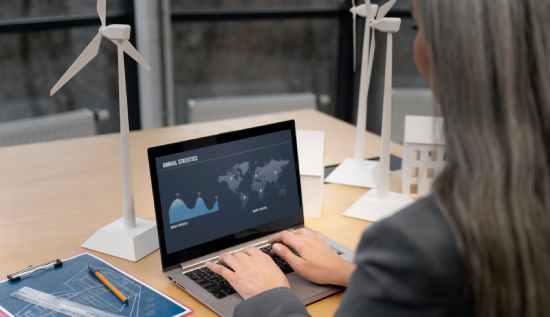
Renewable technology in data centers is transforming digital infrastructure through solar, wind, and energy-efficient systems that support sustainable and green operations.
Data centers are essential to modern life, supporting cloud computing, AI, streaming services and business operations as the digital economy grows worldwide. Nevertheless, there is a substantial toll that this expansion takes on the environment. The use of fossil fuels to power data centers results in massive electrical consumption, and a corresponding increase in carbon emissions. Companies are quickly reevaluating their facility's architecture, power, and operation as a result. If we want to be resilient in the long run, comply with regulations and be good corporate citizens, we must make the switch to renewable energy.
A sea change, is occurring in the relationship between digital infrastructure and the environment, brought about by the increasing use of renewable technology in data centers. As an alternative to using coal, or gas-powered central grids, operators, are incorporating renewable energy sources into their energy mix directly. The idea of "green data centers," which prioritize performance, sustainability and efficiency without sacrificing any of the three, emerged from this trend.
The most significant renewable technology in data centers influencing the development of data infrastructure in the future are examined in this article. Sustainable, high-performance buildings, are the focus here, along with the deployment, integration and optimization of renewable energy sources. Organizations can better match operational goals with sustainability targets by making informed decisions based on knowledge of the best renewable technologies for data centers.
The Growing Need for Sustainable Data Centers
Energy consumption, has become one of the most significant operational costs for data centers, as a result of the exponential development of data traffic. Inefficient cooling systems, obsolete technology, and ineffective power management, are common causes of energy waste in traditional facilities. As a consequence of this, sustainability, has evolved into a fundamental criterion, for contemporary infrastructure.
Throughout the entirety of a facility's lifecycle, sustainable data center technology prioritizes the reduction of energy waste, the enhancement of power utilization effectiveness (PUE), and, the reduction of environmental impact. Everything, from the selection of the site and the building materials to the sourcing of energy, and the recycling of equipment at the end of its useful life, is included in this.
One of the most important aspects of this shift, is the utilization of renewable energy for data centers, which enables operators to differentiate growth from emissions. Data centers, are able to scale their operations, while simultaneously satisfying their climate obligations and lowering their exposure to fluctuating energy prices if they utilize renewable energy sources.
How Renewable Energy Is Used in Data Centers
In order to have an understanding of how renewable energy, is used in data centers, it is necessary to investigate both on-site and off-site alternatives. Off-site procurement is accomplished through the use of power purchase agreements (PPAs), or renewable energy certificates (RECs), whereas on-site generating, is accomplished through the installation of renewable systems physically, located at the plant.
In many instances, data centers blend together a number of different strategies in order to guarantee dependability, and uptime. The combination of energy storage systems, and smart grid technologies which are frequently used, in conjunction with renewable sources, enables facilities to strike a balance, between intermittent generation and, consistent consumption. The utilization of this hybrid paradigm guarantees, that the deployment of sustainable energy will not compromise either performance or availability.
It is possible for operators to transform conventional facilities into eco-friendly data centers that are in accordance with global sustainability requirements if they strategically integrate renewable energy sources.
Solar Power: A Cornerstone of Clean Energy Adoption
Solar power is one of the renewable energy sources, that has seen the most widespread use in the data center management sector. Solar energy, is a versatile choice that may be utilized by both urban and remote establishments, due to the fact that photovoltaic (PV) panels can be mounted on rooftops, parking buildings or neighboring land.
When it comes to clean energy data center solutions, solar electricity, is an essential component, particularly in areas that receive a significant amount of solar irradiation. Solar power generation, has the potential to compensate for a sizeable amount of a facility's demand during the maximum daylight hours, thereby reducing the facility's reliance on the grid, and cutting its operating expenses.
A further factor that has contributed to the growing popularity of solar energy is the decrease in the cost of installation and the improvement in panel efficiency. Solar energy solutions, when combined with battery storage, offer increased resilience and contribute to the construction of energy-efficient data centers and run with low impact on the environment.
Wind Energy: Harnessing Natural Power at Scale
An other potent alternative is wind energy, which is particularly useful for large-scale data centers that are situated in locations, that see continuous wind patterns. It is possible for utility-scale wind farms, to generate enormous amounts of electricity, which makes them an excellent choice for hyperscale establishments.
By entering into power purchase agreements for extended periods of time, operators, are able to ensure that their prices are predictable while simultaneously encouraging the construction of renewable infrastructure. This strategy is an essential component of renewable energy for data centers which enables enterprises, to satisfy sustainability standards without having to manage generating on-site.
Due to the fact that solar, and wind power generating profiles, frequently compliment one another, the combination of these two sources, is very advantageous. By striking this balance, energy-efficient and sustainable data center solutions, that preserve resilience, while simultaneously reducing emissions are supported.
Solar and Wind Power Integration in Data Centers
The solar and wind power integration in data centers, is one of the most effective ways for increasing the widespread adoption of renewable energy sources. Facilities, are able to create a more consistent energy supply and smooth out fluctuation when they incorporate both resources into their operations.
Power generation, energy storage, and energy consumption, are all monitored in real time via integrated energy management systems. Loads are automatically adjusted by these systems, renewable energy consumption is given priority and storage or the grid is only drawn upon when it is absolutely essential. As a consequence of this, data centers, are able to function with a greater penetration of renewable energy sources and a reduced overall energy waste.
This integrated approach is a distinctive trait of current green data centers, which are known for their ability to combine technology with sustainability in a harmonious manner.
Hydropower and Geothermal Energy
Alternatives that are dependable and low in carbon emissions, can be found in certain places through hydropower, and geothermal energy. The continuous baseload power that hydropower delivers makes it an excellent choice for data centers that must meet all of the standards for high availability. Geothermal systems, on the other hand, are able to deliver both cooling and electricity which further improves their efficiency.
Increasing the diversity of the energy mix and decreasing reliance on intermittent production alone, are two ways in which these sources contribute to the use of renewable technology in data centers. Despite the fact that they are site-specific, they play an important part in areas, where the potential for solar, or wind energy is restricted.
Operators have the ability to develop clean energy data center solutions and improve long-term sustainability by implementing these technologies.
Energy Storage and Smart Grids
Adoption of renewable energy sources, is intimately linked to developments in energy storage technology. The use of battery systems enables data centers, to store excess generation and then dispatch it during times of peak demand, or power outages. In order to keep uptime while simultaneously increasing the amount of renewable energy used, this skill is crucial.
A further improvement in efficiency, is made possible by smart grids, which allow for communication in both directions between data centers and utilities. The overall grid stability is improved, energy flows, are optimized and demand response programs are supported by these technologies. In order to create energy-efficient data centers that are highly dependent on renewable sources of energy, storage and smart grids are essential components.
In addition to this, they back the development of sustainable data center technology, which guarantees that the incorporation of clean energy, is not only feasible but also scalable.
Designing Eco-Friendly Data Centers
The architecture of the facility is an important factor in sustainability, in addition to the source of the energy. A significant reduction in power consumption, can be achieved by the implementation of modular architecture, efficient cooling systems and sophisticated airflow management.
In order to reduce the amount of waste produced, contemporary eco-friendly data centers methods such as free cooling, liquid cooling and AI-driven optimization. These developments, are a supplement to the use of renewable energy sources since they reduce total demand which makes it simpler to satisfy requirements with clean sources.
When paired with renewable energy sources, efficient design makes it possible to energy-efficient and sustainable data center solutions while also delivering performance without incurring excessive environmental costs.
The Business Case for Renewable-Powered Data Centers
In addition to being a decision that is beneficial to the environment, the adoption of renewable technology in data centers, is also a strategic commercial move. Reducing long-term operational expenses, protecting against fluctuations in energy prices and improving brand reputation are all potential benefits of renewable energy supply.
The expectation of transparency and accountability in sustainability activities, is now held by a significant number of customers and investors. In order to demonstrate leadership and readiness for the future, corporations, should make investments in the best renewable technologies for data centers.
Furthermore, regulatory regimes all over the world, are rapidly favoring low-carbon operations which makes the deployment of renewable energy a proactive approach to risk management and compliance.
Future Trends in Sustainable Data Center Technology
Deeper integration of renewable energy sources, more intelligent automation and more efficiency, will be the defining characteristics of the future of data centers. It is anticipated that new technologies, such as hydrogen fuel cells, improved artificial intelligence energy management and next-generation storage systems, would significantly lessen the influence that humans have on the environment.
The manner in how renewable energy is used in data centers sources, will continue to develop; this will make it possible to achieve higher levels of performance while simultaneously reducing emissions. It is expected that facilities would become more self-sufficient, adaptable and in line with the objectives of global sustainability.
In light of this development, the significance of renewable energy for data centers as a foundational component of digital infrastructure strategy, is further emphasized.
Challenges and Limitations of Renewable Adoption in Data Centers
In spite of the fact that the transition toward infrastructure powered by renewable sources is fast, the adoption of renewable technology in data centers is not without its difficulties. The fact that many renewable sources function, in an intermittent manner, is one of the most significant restrictions. The production of solar and wind energy is contingent on the weather conditions which might result in fluctuations in power supply. When it comes to the deployment of renewable energy for data centers, thorough planning is very necessary, particularly for establishments that demand electricity, that is accessible at all times and in a continuous manner.
Capital expenditures at the outset provide still another obstacle. Initial investments of a large amount are required for the installation of energy storage devices, wind turbines and solar arrays on the premises. When it comes to moving to sustainable data center technology, smaller operators may face financial impediments, despite the fact, that long-term savings and operational benefits frequently outweigh these expenses.
Conclusion
The data center landscape is undergoing a transformation as a result of the transition to renewable-powered data centers. Infrastructure operators, are able to construct facilities, that are robust, efficient, and ecologically responsible, if they embrace renewable energy sources such as solar, wind, hydropower, geothermal energy, and sophisticated storage.
In order to foster the development of green data centers, that strike a balance between innovation and sustainability, the implementation of renewable technology in data centers, is essential. Organizations are able to implement sustainable data center technology, that satisfies the requirements of today while safeguarding the resources of tomorrow if they build their data centers with careful consideration, integrate them intelligently and make strategic investments.
In the end, the way forward, is to combine energy efficiency with an environmentally friendly energy source. It is possible for the industry to both contribute, to a more sustainable future while simultaneously delivering robust digital services, if it implements the best renewable technologies for data centers.
Read More: Real Estate Technology Trends: PropTech & Smart Solutions
More Articles
 26 Jan 2026
Time-Tracking and Task Management Software for Teams
Time-tracking and task management software helps teams improve productivity and manage time with accuracy.
 24 Jan 2026
Industry 4.0 Trends: Top Technologies & Business Impact 2026
Industry 4.0 trends shaping 2026, covering smart factories and real business impact across industries.
 24 Jan 2026
AI in Recruitment 2026: Trends, Tools & Benefits
Discover how AI in recruitment 2026 will reshape hiring, tools, and talent strategies for modern HR teams worldwide.
 23 Jan 2026
Different Types of Malware Explained with Examples (2026)
Updated 2026 overview of different types of malware explained with examples, including ransomware, spyware, botnets, and modern attack methods.