VPN Firewall and Endpoint Security Explained – Simple Guide
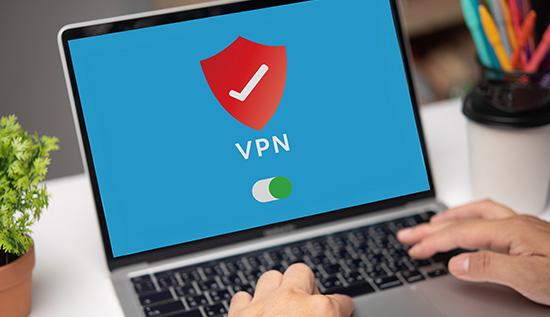
Learn how VPN firewall and endpoint security explained helps protect your data. A simple, non-tech guide to network security.
In a world where cybersecurity threats are increasing every day, understanding vpn firewall and endpoint security explained becomes essential for both personal and business users. If you've ever asked yourself what is a VPN or why it matters, this guide is for you.
A VPN, or virtual private network, encrypts your internet traffic and send it through secure server. This hides your online activity from possible cyber danger. This is part of the network security basic, which is a key idea in keeping digital data safe. VPNs protect personal surfing, but they are also very important for business networks, especially when people work from home.
The Basics of What Is a Firewall and Its Role in Endpoint Protection
To fully grasp vpn firewall and endpoint security explained, it’s important to also ask what is a firewall. A firewall acts as a digital barrier, monitoring and controlling the traffic that enters and leaves your network. It’s like a security guard standing at your network’s door.
Understanding vpn vs firewall is crucial here. A VPN hides and secures your data during transmission, while a firewall filters the data that enters or exits the network. Together, they form a powerful combination that enhances endpoint protection and strengthens overall internet security tools within your organization.
What Is Endpoint Security and Why It Matters in Internet Security Tool
What is endpoint security? This is a question that novices commonly ask in the field of cybersecurity. In short, it means making sure that the laptops, phones, and desktops that connect to your network are safe. Cyberattacks often start with these devices, which are dubbed "endpoints."
Understanding vpn firewall and endpoint security explained includes recognizing how attackers exploit endpoints. Through malware, phishing, or ransomware, hackers can compromise devices if not properly protected. This is where strong endpoint software steps in, offering malware protection and threat detection to ensure each device is secure.
How Network Security Basics Strengthen Endpoint Strategies
The backbone of vpn firewall and endpoint security explained lies in mastering network security basics. This includes understanding how different internet security tools like VPNs, firewalls, and antivirus software work together.
Modern businesses face numerous threats, from unauthorized access to data breaches. By applying these network security basics, companies can minimize vulnerabilities and ensure a secure IT infrastructure. As more employees work remotely, the integration of virtual private network services and firewall policies has become more critical than ever.
VPN vs Firewall: A Crucial Comparison in Business Cybersecurity
When you look into vpn firewall and endpoint security explained, you might hear the question: which is more important, vpn or firewall? The truth is that both are important but they do distinct things.
Here is the different between VPN Vs Firewall:
- VPNs are like invisible tunnels for your data. They are quite beneficial for accessing resources safely from far away.
- Firewalls, on the other hand are your first line of defense against unauthorized traffic.
The difference between firewall and vpn lies in their function—VPNs secure data transit, while firewalls control traffic flow. Together, they ensure comprehensive endpoint protection and align with best internet security tools.
Endpoint Protection in a Post-COVID Digital Workplace
The pandemic transformed how we operate, therefore endpoint protection is more important than ever. Cybercriminals have more ways to strike now that employees can connect from many devices and places. This is why understanding vpn firewall and endpoint security explained helps businesses implement better protective layers.
With a virtual private network, employees can access sensitive data without risk. Companies can keep an eye on activity and stop breach with a powerful firewall and virus protection. These examples are a great way to teach endpoint securities to people who don't know much about technology. Each part is important to the security chains.
Read more: The Role of VPNs in Business Cybersecurity & Data Protection
Using Internet Security Tools to Defend Business Networks
A secure business environment starts with the right internet security tools. This involves more than just having antivirus software. It includes firewalls, VPNs, encryption, and endpoint protection measures.
Understanding how to protect your business network with firewalls becomes key here. Firewalls can isolate systems from malicious networks, while VPNs make sure data stays private. These tools are fundamental in the context of vpn firewall and endpoint security explained, ensuring a layered security approach.
Endpoint Security Explained for Non-Tech Users – Keep It Simple
Cybersecurity doesn't have to be too complicated. If you don't know much about IT, learning about endpoint security explained for non-tech users can really help you keep your personal and corporate data safe.
Begin with basic ideas: VPNs for privacy, firewalls for filtering and antivirus for keeping viruses out. Add user training and safe habits to the mix. Even people who aren't tech-savvy can help make the internet safer by learning about VPN firewalls and endpoint security.
How to Protect Your Business Network with Firewalls and VPN Integration
Securing a business is no longer optional. Knowing how to protect your business network with firewalls and integrating it with VPN usage provides multiple layers of security.
For example, firewalls can block unauthorized IP addresses, while virtual private networks encrypt internal communications.
Together, they ensure secure access and strong endpoint protection. This comprehensive approach is at the heart of vpn firewall and endpoint security explained, helping prevent costly data breaches and operational disruptions.
Conclusion
Understanding vpn firewall and endpoint security explained is more than just knowing the definitions of VPNs, firewalls, and endpoint solutions. It's about understanding how they function together to keep your data and business network safe.
From personal devices to enterprise systems, embracing these internet security tool is crucial in today’s digital landscape. Whether you're asking what is a VPN, comparing vpn vs firewall, or trying to implement of endpoint, remember that knowledge is your first defense against cyber threats. The more you understand these concepts, the better equipped you’ll be to safeguard your digital world.
Read More: Security Consultant Services | Cyber & Physical Experts
Frequently Asked Questions
1. What is a VPN and how does it work?
A VPN (Virtual Private Network) encrypts your internet traffic and routes it through a secure server, hiding your online activity from hackers and snoopers.
2. What is the main difference between a firewall and VPN?
A VPN protects data as it travels over the internet, while a firewall controls the flow of network traffic in and out. Both are necessary for a safe network.
3. Why is endpoint protection important for businesses?
Endpoint protection protects each device from malware, ransomware and illegal access, which lowers the chance of breaches.
4. What is endpoint security explained for non-tech users?
It involves employing antivirus, firewalls, and VPNs to keep laptops, phones, and other devices safe from online threats.
5. How do internet security tool help in network defense?
They include software like VPNs, firewalls, and anti-malware that work together to find, stop, and stop cybersecurity threats.
6. Can VPNs and firewalls work together?
Yes, using both together makes networks safer. VPNs safeguard data while it's being sent, while firewalls control traffic.
7. How to protect your business network with firewalls?
Set up rules to stop traffic that looks suspicious, keep the firewall system up to date and use VPNs with it for extra security.
More Articles
 21 Aug 2026
How AI Search Is Changing SEO: Things You Must Know
See how AI search is changing SEO, from AI Overviews and AI Mode to content optimization and search visibility.
 19 Aug 2026
Unsafe Websites to Avoid: 10 Warning Signs of a Scam
Spot unsafe websites to avoid with 10 key scam warning signs, including fake URLs, suspicious payments and fraudulent offers.
 18 Aug 2026
Payment Gateway Fees in Cambodia: Costs & Comparison
Compare payment gateway fees in Cambodia, transaction charges, processing costs, setup fees, and key factors businesses should consider when choosing a payment gateway.
 14 Aug 2026
How to Tell If a Video Is AI-Generated: Signs to Check
Detect AI-generated videos and practical examples, verification methods and reliable AI video detection techniques.