How Connected Devices Improve Business Efficiency
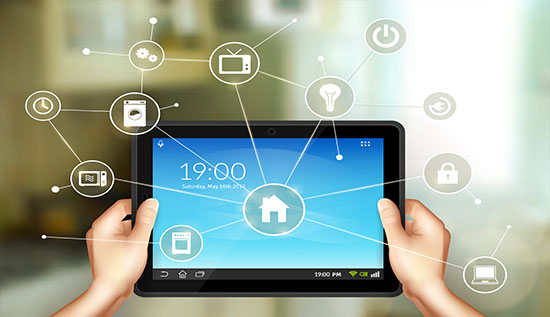
Discover how connected devices and IoT solutions boost business efficiency, streamline operations, and enable smarter decision-making.
In today's world, where everything is linked together, organizations are using more and more connected devices to improve performance, teamwork, and overall efficiency. These technologies are now essential for changing how businesses work, from factories to modern offices. Not only has the use of IoT devices in business made work easier, but it has also changed the way companies gather, process and use data.
Connected devices are the key to digital transformation because they make it possible for systems and people to talk to each other without any problems. They help people make decisions in real time and increase productivity by automating task. This article goes into great length about how connected devices make business more efficient. It talks about the technologies, benefits and tactics that make effective implementation possible in many different fields.
The Rise of IoT Device for Business
Businesses have quickly started using IoT devices in the last few years because they see how powerful connection can be. These gadgets connect sensors, equipment and systems to make a network that sends and receives data all the time. This communication gives firms precise and up-to-date information that helps them make smart choice.
Businesses that buy IoT device can make their daily task easier and boost productivity. In logistics, for example, connected device can keep an eye on shipments, temperature and let managers know when there is delay. Smart office technology helps make the best use of energy, lighting and workspace management in offices. This kind of integration make sure that businesses run with as little waste as possible and as much efficiency as possible.
One of the best things about IoT devices for business is that they can collect and analyze massive amounts of data in real time. Companies can get useful information about performance indicators and customer behavior through this connectivity. This helps them make better decisions and gives them an edge over their competitors.
Enhancing Workflows Through Smart Office Technology
1. Transforming Traditional Workspaces with Smart Automation
Smart office technology has revolutionized the way companies operate, manage resources, and engage employees. These systems are different from traditional ones since they use connected devices and smart automation to do thing like control the temperature, schedule meetings, and turn on and off lights. Employees may easily use mobile app or voice assistants to communicate with this system which make communication and cooperation easier. This integration not only makes things easier, but it also makes the workplace more responsive and productive.
2. Improving Energy Efficiency and Promoting Sustainability
One of the most valuable advantages of smart office technology is its impact on energy management. Smart sensors can automatically detect unoccupied areas and adjust air conditioning, heating, or lighting accordingly. This real-time responsiveness reduces unnecessary energy use, helping companies lower their utility bills while promoting eco-friendly practices. Businesses that adopt these technologies demonstrate a commitment to sustainability, which strengthens their brand reputation and long-term operational savings.
3. Boosting Productivity Through Data-Driven Insights
Beyond energy savings, IoT devices in smart offices play a critical role in improving employee productivity and satisfaction. Companies may learn about how their employees use their workspaces, how they allocate resource and how performance pattern change over time by keeping an eye on things all the time. Managers can look at this information to improve procedure, stop things from going wrong and make smart choice.
As a result, employees work in conditions that are more comfortable, flexible, and productive. Businesses that find the right balance between technology and human comfort have an advantage over their competitors. This leads to new ideas and better performance in all areas of the company.
Explore more: Touch vs. Click in Mobile UX: Improve Engagement & Usability
Industrial IoT Solutions and Operational Efficiency
In today’s rapidly evolving industrial landscape, Industrial IoT (IIoT) solutions are transforming how companies in manufacturing, logistics, and energy sectors manage their operations. These smart systems connect machines, sensors, and control devices to collect and analyze real-time data. By leveraging connected technologies, organizations can improve operational efficiency, ensure safety, and achieve greater visibility across production processes. Below are the key ways Industrial IoT solutions enhance business performance and productivity.
1. Enabling Predictive Maintenance and Reducing Downtime
One of the most powerful benefits of Industrial IoT solutions is predictive maintenance. Using smart sensors and analytics, companies can detect equipment wear or faults before failures occur. This data-driven approach reduces unplanned downtime, minimizes repair costs, and extends machine lifespan. Manufacturers can schedule maintenance more effectively, ensuring continuous productivity and resource optimization.
2. Enhancing Supply Chain Visibility and Coordination
Connected devices in industrial operations allow real-time monitoring of supply chains, from raw material sourcing to product delivery. This connectivity improves coordination between departments and suppliers, leading to faster decision-making and reduced bottlenecks. The ability to track shipments, monitor inventory levels, and manage logistics in real-time ensures transparency, accuracy, and stronger customer satisfaction.
3. Improving Workplace Safety and Regulatory Compliance
Another big area where Industrial IoT solution shine is safety. Smart sensor and monitoring systems keep an eye on the weather how well machines are working and what workers are doing all the time. When there is a possible danger, quick warning tell operator to take action to avoid it. This proactive monitoring not only keeps employees safe but it also helps firms follow safety rules and laws in their field.
Streamlining Operations with Enterprise IoT Applications
In a rapidly digitalizing world, Enterprise IoT (Internet of Things) applications have become the backbone of modern business management. They connect devices, departments, and external partners through a unified digital network, enabling seamless data sharing and real-time decision-making.
By integrating these intelligent systems, companies can enhance coordination, reduce inefficiencies, and gain a strategic edge in today’s competitive market. Below are five key ways Enterprise IoT applications streamline operations and boost performance.
1. Enhancing Data Connectivity Across Departments
Enterprise IoT applications ensure that every department—whether logistics, finance, or production—can share and access data instantly. This connected ecosystem eliminates silos, promotes transparency, and allows for quicker, more informed decisions.
2. Optimizing Inventory and Resource Management
With IoT-powered sensors, businesses can track inventory levels in real time. Automated updates prevent overstocking or shortages, ensuring smooth supply chain operations and better resource utilization.
3. Improving Workflow Automation and Accuracy
By integrating business automation devices, companies minimize manual input and human error. Tasks such as data entry, report generation, and order processing become faster and more reliable.
4. Driving Digital Transformation and Innovation
These applications act as the foundation for digital transformation strategies, helping companies adopt new technologies, streamline operations, and respond to market shifts with agility.
5. Strengthening Competitiveness and Long-Term Efficiency
As organizations adopt connected devices on a larger scale, Enterprise IoT applications become crucial for maintaining operational excellence. They enable scalability, long-term cost reduction, and sustainable growth in evolving industries.
IoT for Smart Companies: Transforming Decision-Making
IoT for smart companies are all about using data to make better choices. In the past, managers generally used historical facts or their gut feelings. Real-time information from ongoing monitoring and analysis help people make decision with linked device.
Companies that use IoT technology are smart since they can be flexible and quick. Connected devices give business the power to act right away whether that means changing production levels based on market demand or optimizing logistics by tracking data. This ability cuts down on delays, get rid of waste and makes customers happier.
Smart organizations that use IoT also come up with new ideas more often. Data from connected devices can show trends and chances that you might not have spotted otherwise. For example, looking at performance statistics could show problem that might be fixed by automating or redesigning something. Smart businesses that use IoT get both operational and strategic benefit as a result.
Boosting Productivity Through Business Automation Device
Business automation tools make things easier by taking care of chores that are boring and take a lot of time. These connected gadgets can run system, look at data and take actions on their own, without any help from people. IoT-powered automation lets businesses run faster and more efficiently giving workers more time to do creative and strategic work.
For instance, in retail, business automation systems automatically restock shelves. In offices, automated lighting and climate control system change based on how many people are there. These examples of how connected gadget make businesses more efficient show how technology cut down on waste and boosts output.
Companies that use business automation technologies make fewer mistakes, save time and provide better service. These changes lead to clear increases in customer happiness and profits. When you add IoT devices for business to automation, it becomes a strong tool that helps businesses grow over time.
Implementing Connected Devices in Company Operations
It takes a lot of preparation and work to use linked device in business operation. Finding the most important procedure that can benefit from automation or real-time monitoring is the first step. After that, the organization needs to choose the right IoT devices for business that will help it reach its goal.
During implementation, integration is very important. Companies need to make sure that new connected devices can talk to old ones. Two big problems that need to be fixed are compatibility and cybersecurity. To keep customers' trust and follow the rules, it's important to protect sensitive data sent by connected device.
It's just as crucial to teach personnel how to use connected system. For these gadget to work, users need to know how to understand and apply the data they give them. When done right, adding connected device to a business's processes can make it more productive, open, and profitable.
Real-Time Insights: How Smart Devices Enable Real-time Data Monitoring
One of the best things about linked devices is that smart devices let you keep an eye on data in real time. Companies can keep an eye on performance indicators, the state of the environment or the status of their equipment at any time. Companies can react right away to changes or possible difficulty because they can see this.
Smart monitoring gadgets give companies real-time updates on shipments, which helps them minimize delays and losses. In factories, sensors keep track of how much work machines are doing all the time, finding problem before they get worse. This real-time information makes sure that corporate executives can make quick, smart choice that improve how thing work.
In addition, real-time monitoring helps with predictive analytics. When you look at data from connected devices over time, you can see patterns that can help you guess what will happen in the future. This ability to forecast makes strategic planning stronger and helps companies stay competitive in industries that change quickly.
Key Benefits of IoT Devices for Smart Offices
IoT gadgets for smart offices are useful in more ways than just making things easier. These technologies are turning workplace into data-driven setting that encourage innovation and teamwork. Connected devices free up staff to work on high-value tasks that foster innovation by automating regular duty.
Smart office technology makes it easier for teams to talk to each other even when some of them are working from home or in a hybrid setting. Smart screen, voice assistant and automatic scheduling systems are some of the tools that make it easy to coordinate. Also, environmental controls that change the lighting or air quality based on how many people are in a room make it more comfortable and save energy.
Improved data collecting is another important benefit of IoT devices for smart office. These technologies give businesses a lot of information on how people utilize room which helps them plan layouts that boost efficiency. Connected gadgets are a big part of making the workplaces of the future, as companies attempt to be more efficient and environmentally friendly.
Conclusion
Businesses now work in a very different way because of connected gadgets. These systems give us the intelligence and automation that make modern efficiency possible from smart office technology to industrial IoT solutions. Companies that use linked devices in their work save money, get more done and make better decision.
As technology gets better, it will be even more important for businesses to use IoT devices together. Smart firms that embrace connectivity will be the ones that succeed in the future, whether through enterprise IoT apps or business automation devices. It's not just about getting new tools; it's about making the future smarter, more flexible and based on data.
Frequently Asked Questions
1. What are connected devices in business?
Connected devices are internet-enabled tools or machines that communicate with each other to collect, share, and analyze data for improved operations.
2. How do connected devices improve business efficiency?
They automate processes, provide real-time insights, and enable data-driven decision-making that reduces costs and increases productivity.
3. What are examples of IoT devices for business?
Examples include smart sensors, automated lighting systems, inventory trackers, and industrial monitoring equipment.
4. How can companies implement connected devices effectively?
By identifying target areas for improvement, ensuring system compatibility, and training staff to utilize IoT data effectively.
5. What are the benefits of IoT devices for smart offices?
They enhance collaboration, improve energy efficiency, and create comfortable, productive environments through automation and data insights.
6. Are industrial IoT solutions safe and reliable?
Yes, when properly managed with cybersecurity protocols, they offer reliable monitoring and predictive maintenance capabilities.
7. What is the future of connected devices in business?
The future involves deeper integration of AI, automation, and IoT technologies, enabling smarter, more adaptive, and data-driven organizations.
More Articles
 12 Jun 2026
AI Adoption in Cambodian Businesses: Trends and Benefits
AI adoption in Cambodian businesses is transforming industries and data-driven decision making across sectors.
 10 Jun 2026
Future of Business Automation: Trends and Benefits
Business automation trends shaping industries with AI, workflow tools and scalability across modern enterprises.
 09 Jun 2026
How to Prevent Data Breaches: Essential Security Tips
Learn how to prevent data breaches with essential security tips for businesses. Discover common causes of data breaches, cybersecurity best practices, and proven strategies to strengthen data security and protect sensitive information.
 08 Jun 2026
Top Cybersecurity Threats in 2026: Risks and Solutions
A clear guide to top cybersecurity threats in 2026, including ransomware and proven methods for data breach prevention.