Top Cybersecurity Threats in 2026: Risks and Solutions
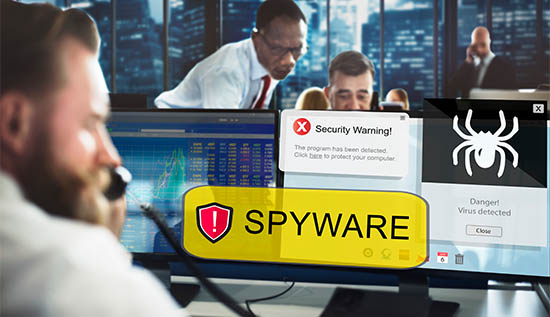
A clear guide to top cybersecurity threats in 2026, including ransomware and proven methods for data breach prevention.
People and companies are increasingly vulnerable to new cyber dangers than ever before in today's extremely interconnected online environment. With each passing year, the age of digital technology, cybersecurity threats 2026 they are getting smarter, happening more often and hurting more and more.
It is getting harder and harder for businesses of every aspect to keep their systems, knowledge and customers protected. This includes startups and large companies doing business throughout the entire globe.
The landscape of cyber threats 2026 is no longer limited to simple phishing attacks or basic malware. Instead, it now includes highly advanced tactics such as AI cyber-attacks, large-scale ransomware attacks and complex tactics for using the information inappropriately. Cybercriminals are employing artificial intelligence, robotics and even political instability to more accurately identify and damage innocent victims.
At the same time, the cost of cyber events keeps going up. One data breach can cost a lot of money, get you in trouble with the law, hurt your image and stop your business from running normally. This makes business cybersecurity a top concern for leaders in all fields. To stay ahead, businesses need to know what the most prominent online threats are going to be in 2026 and set up security measures that are ready for them.
This article explores the biggest cyber threats businesses face in 2026, provides insights into cybersecurity trends 2026, and offers practical solutions for data breach prevention. You’ll also learn how to protect your business from cyber-attacks through actionable strategies, real-world examples, and expert-backed guidance.
1. AI-Powered Cyber Attacks: The Rise of Intelligent Threats
One of the most alarming emerging cybersecurity threats in 2026 is the rise of AI cyber-attacks. Hackers are now using artificial intelligence (AI) to automate and further enhance their operations, which makes them more rapid more effective and increasingly difficult to recognize.
Why AI Cyber-Attacks Are Dangerous
Artificial intelligence empowers attackers do the following:
- Quickly and efficiently evaluate massive data sets
- Continuous real-time vulnerability assessment
- Compose phishing messages that are highly plausible
- Unlimited automated approach implementation
Artificial intelligence-powered threats are different from standard cyberattacks because they can modify based on how systems respond also. These characteristics render them an important component of cybersecurity threats 2026.
Example Use Case 1: AI-Driven Phishing Campaign
An intrusion called hacking happened at a financial organization. Emails were delivered that looked as though they came from the company's internal communications. Unknowingly, employees shared passwords, which let people in who weren't supposed to.
Example Use Case 2: Automated Vulnerability Exploitation
Bots with artificial intelligence attacked an online shopping site, looking for vulnerabilities in real time, and then taking advantage of them immediately, thereby breaking around normal safety precautions.
Solutions and Prevention
Businesses should do the following to protect themselves from AI cyberattacks:
- Establish through instruments that use artificial intelligence to find vulnerabilities
- Discover unusual behaviors by using simple behavioral information
- Teachers ought to demonstrate to their students more about hacking techniques
- Security mechanisms should be updated and frequently also
It is very important to understand these patterns when doing research cybersecurity trends 2026 and developing strategies for how to protect your business from cyber-attacks and cybersecurity threats 2026 also.
2. Ransomware Attacks: Increasing Frequency and Impact
Another dominant force among the top cybersecurity threats in 2026 is the surge in ransomware attacks. These hacked methods encrypt important information and subsequently demand monetary resources to decrypt the information, which can significantly impact the functioning of small businesses.
Why Ransomware Is Growing
- A greater percentage of individuals are working from home
- In contrast powerful security for endpoints
- Implementing malware as an offering (RaaS)
In 2026, ransomware will continue to be one of the most significant online dangers, affecting professions such as manufacturing, medical care and monetary transactions.
Example Use Case 1: Healthcare System Shutdown
Runsomware attacked a hospital internet connection, encrypting treatment information and postponing important medical procedures. A company had to pay an enormous ransom in order to return back to go to work also.
Example Use Case 2: Small Business Data Lockout
Unfortunately, ransomware blocked the availability of an inventory management system at an insignificant retail establishment, which caused them money while leaving customers unhappy.
Solutions and Prevention
To strengthen business cybersecurity to combat ransomware infections:
- Make sure to back up your information consistently
- Endpoint detection and response (EDR) ought to become implemented easily
- Immediately implement security updates also
- Restrict access for users dependent on their duties
These strategies are essential for data breach prevention and understanding the biggest cyber threats businesses face in 2026.
3. Data Breaches and Information Theft
Data breaches continue to dominate discussions around cybersecurity threats 2026, as businesses depend more and more on computers to store and handle huge amounts of private data.
Attackers are after sensitive information like bank records, customer records, intellectual property and business secrets. These breaches not only cost companies money, but they can also do a lot of damage to their image and the confidence of consumers.
Causes of Data Breaches
The rising number of data leaks is caused by a number of things, including:
- It's easy to break weak passwords that have already been used also
- Cloud-based systems that aren't set up properly and let anyone see your data
- Risks that are underground, whether they are meant to be there or not
- On the other hand, securing private data and cybersecurity threats 2026 also
- Insecure older apps and security holes that haven't been fixed yet
As businesses continue to modernize their processes and store more data, stopping breaches of information becomes more important for keeping security and remaining compliant.
Example Use Case 1: Cloud Misconfiguration
Because of a poorly set up cloud storage system, a company accidentally let customer info out into the public. Because there weren't enough entry controls people who weren't supposed to be there could see and download sensitive data. This led to a large-scale data leak and fines from the government.
Example Use Case 2: Insider Threat
A worker who was granted knowledge of confidential data knowingly provided sensitive information to competitors on a temporary basis. Not only did this breach of security cost money, it also got people in trouble with the legislation and took away their advantage in the marketplace also.
Solutions and Prevention
To strengthen data breach prevention, businesses should use a complex multi-layered technique for ensuring safety:
- Encrypt personally identifiable information while it's being sent and while it's being preserved.
- Activate authentication using multiple factors (MFA) on all important web-based services.
- Inspect what users are doing and look for strange patterns and patterns of behavior.
- Perform frequent danger and security investigations.
- Control who can see private information by using responsibilities and obligations.
- Provide your staff members with ongoing basic cybersecurity instruction
These measures align with cybersecurity trends 2026 and help organizations better understand how to protect your business from cyber-attacks, ensuring stronger defenses against evolving threats.
4. Supply Chain Attacks: Targeting the Weakest Link
In 2026, supply chain attacks are one of the newest types of risks related to cyberspace. These are when hackers get into systems through partners, vendors, suppliers or service providers that have access to the network of an organization.
Cybercriminals don't attack directly a company; but instead, they take advantage of external infrastructure with weaker security controls. These factors render these attacks very hard to recognize and prevent.
Why Supply Chain Attacks Are Rising
- More dependence on cloud-based based applications and services from outside sources
- Not every organization is following the same security standards
- Online environments that are complicated and have many points of integration
- Not much information about how third parties handle security
As companies continue to incorporate more internet-based partners and systems that communicate to one another easily, these attacks are growing in importance as cybersecurity threats 2026.
Example Use Case 1: Software Vendor Breach
Aggressors were able to send harmful updates to thousands of businesses after breaking into a trusted computer program source. Many companies loaded the new version without thinking twice because it looked like it was protected. This let attackers get into a lot of computer systems.
Example Use Case 2: Third-Party Service Exploit
Thanks to a weak vendor system, someone broke into a company that provides transportation and stole essential operational information, which messed up the supply chain. It was shown by the breach how weak locations in even a small company might impact a whole business.
Solutions and Prevention
So that possibilities are decreased:
- Before choosing a company, look at how they handle cybersecurity
- Third-party parties’ partners should have regular security checks accomplished
- Confirm each of the access requests with zero-trust based design principles
- Just let necessary third-party companies into the platforms you need these individuals to
- Be on surveillance for strange behavior in external integrations all throughout the day
For businesses to be more secure online and confront the biggest computer hacking attempts in 2026, this is a mandatory requirement.
5. Security Flaws in the IoT and the Cloud
The rapid growth of IoT devices and cloud computing has introduced new cybersecurity threats 2026. Cybercriminals have a lot greater opportunities to get into businesses that use connected gadgets and infrastructure that is cloud-based also.
This makes the potential for attack far more extensive. There are many components that need to be protected against possible hacking attempts, covering everything from small wearable tech to massive computing machines.
Risks Important
- Internet of Things gadgets that are not protected
- Inappropriate setups for cloudy conditions
- Simply not being able to see what's happening on an internet connection
- Connections between systems with inadequate authentication techniques
- Unreliable upgrade handling and basic security patches
These vulnerabilities are central to cybersecurity trends 2026, businesses keep using digital transformation techniques without consistently prioritizing security before anything else at every stage.
Example Use Case 1: Smart Device Exploit
Because the Internet of Things (IoT) device wasn't secure enough, hackers were able to get into the company network and steal sensitive information also. To get into this system, hackers used an old smart thermostat as a gateway. This let them move around the network and gain access to private corporate information.
Example Use Case 2: Cloud Data Exposure
Due to incorrect cloud settings, confidential documents were made available to everyone. People who weren't supposed to be able to see or download confidential information were able to do so because the storage bucket wasn't set up correctly. This shows how small configuration mistakes can cause big problems with security also.
Solutions and Prevention
- Strong authentication and regular firmware changes are the best ways to keep Internet of Things equipment safe.
- Audit cloud settings on a regular schedule to identify and fix mistakes.
- Separate important systems from more dangerous devices on your network using network segmentation.
- Advanced threat monitoring tools should be implemented in constantly watch traffic.
- Use security frameworks based on "zero trust" to check every single-entry requesting information also.
These steps help businesses understand how to protect your business from cyber-attacks and reduce exposure to cyber threats 2026 ensuring a more resilient and secure digital environment.
Conclusion
As we navigate the evolving digital landscape, understanding cybersecurity threats 2026 doesn't matter anymore it's necessary for existence and development. Cyber risks have become increasingly complicated as technology has quickly improved, opening up new possibilities. Starting with AI cyber-attacks to ransomware attacks are getting more common and more complicated ranging from data leaks to weak spots in the supply chain.
The top cybersecurity threats in 2026 simply put, companies need to switch from reacting to proactive security measures. We can't wait for an attack anymore and basic protection like firewalls and antivirus software aren't enough. Businesses must use AI-powered tools, have strict security rules and promote an understanding of cybersecurity issues.
By staying informed about cybersecurity trends 2026, companies can anticipate risks and build more resilient systems. Continuous learning is essential as cybercriminal tactics evolve. Investing in business cybersecurity protects assets and data while strengthening customer trust and competitive advantage also.
To address the biggest cyber threats businesses, face in 2026, a layered method to security is what businesses should use. This includes watching in real time, teaching employees, strict access controls, encryption and keeping the system up to date on a regular basis. For quick action during breaches, it's also important to have a clear incident reaction plan.
Ultimately, success depends on understanding how to protect your business from cyber-attacks technology, planning, and being careful all work together to do this. A pledge is needed to keep cybersecurity up and running also. Firms can lower the risks they face, stay up and running, and do well in a digital future simply by engaging in action now.
Read More: Cybersecurity Company in Cambodia | Top IT Security
More Articles
 24 Jul 2026
Browser Security Tips: How to Browse the Web Safely
Learn the best browser security tips to protect your privacy, block cyber threats, and enjoy secure web browsing. Discover how to make your browser more secure and browse the internet safely.
 22 Jul 2026
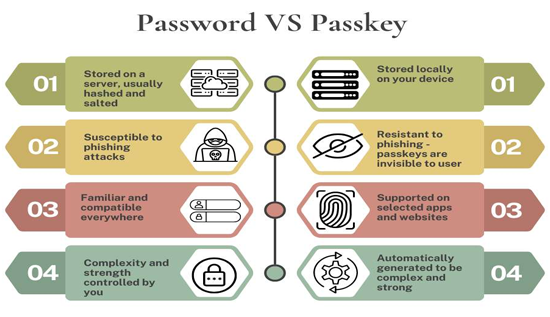
Passkeys vs Passwords: Security Comparison
Discover how passkeys compare to traditional passwords, learn how passwordless authentication works, and find out which option offers better security for protecting your online accounts.
 17 Jul 2026
Rust vs Go: Which Language Is Better in 2026?
Compare Rust vs Go in 2026, including performance, backend development, memory safety and the best language for your projects.
 15 Jul 2026
What Is Synthetic Data? Benefits, Uses & Examples
Understand synthetic data explained, its benefits and real-world AI examples that improve privacy and machine learning.