How to Prevent Data Breaches: Essential Security Tips
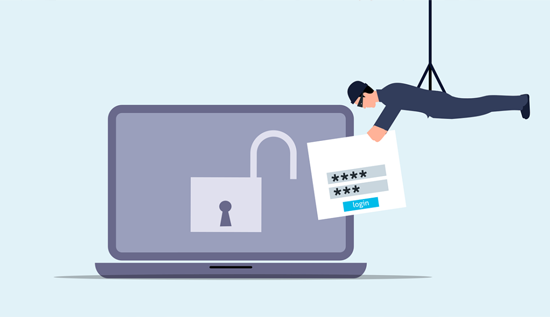
Learn how to prevent data breaches with essential security tips for businesses. Discover common causes of data breaches, cybersecurity best practices, and proven strategies to strengthen data security and protect sensitive information.
In today's digital world, organizations of all sizes face increasing risks from cybercriminals seeking to exploit vulnerabilities and gain unauthorized access to sensitive information. From financial records and customer data to intellectual property and confidential business documents, valuable information has become a prime target for cyberattacks. As a result, understanding how to prevent data breaches has become a critical priority for businesses, governments, and individuals alike.
Data breaches can lead to devastating financial losses, reputational damage, regulatory penalties, and loss of customer trust. With cyberattacks becoming more sophisticated each year, organizations must adopt comprehensive security measures to protect their digital assets and maintain strong data security standards.
This guide explores the most common causes of data breaches, outlines major cybersecurity threats, and provides practical strategies and best practices for preventing data breaches in modern organizations.
What Are Data Breaches?
A data breach occurs when unauthorized individuals gain access to sensitive, confidential, or protected information. These incidents can involve the theft, exposure, alteration, or destruction of data stored in computer systems, databases, cloud environments, or physical devices.
Data breaches may affect:
- Customer personal information
- Financial records
- Employee data
- Intellectual property
- Healthcare records
- Login credentials
- Business trade secrets
The consequences can be severe, including legal liabilities, regulatory fines, operational disruptions, and long-term damage to an organization's reputation.
What Causes Data Breaches?
Understanding what causes data breaches? is the first step toward building effective security defenses. While attackers use various methods, most breaches result from a combination of technological vulnerabilities and human error.
1. Weak Passwords
Poor password practices remain one of the leading causes of security incidents. Employees often use:
- Easy-to-guess passwords
- Reused passwords across multiple accounts
- Shared credentials among team members
Cybercriminals can exploit these weaknesses through brute-force attacks or credential-stuffing techniques.
2. Phishing Attacks
Phishing remains one of the most effective cybersecurity threats. Attackers send fraudulent emails, messages, or websites designed to trick users into revealing:
- Passwords
- Financial information
- Account credentials
- Sensitive business data
A single successful phishing attempt can provide attackers with access to critical systems.
3. Insider Threats
Not all breaches originate externally. Employees, contractors, or business partners may intentionally or accidentally expose sensitive information.
Examples include:
- Unauthorized file sharing
- Mishandling confidential data
- Malicious insiders stealing information
- Human errors leading to data exposure
4. Unpatched Software Vulnerabilities
Software vendors regularly release updates to address security flaws. Organizations that fail to apply patches promptly leave systems exposed to known vulnerabilities.
Attackers actively scan networks for outdated software to exploit.
5. Poor Network Security
Weak network security controls can create entry points for cybercriminals.
Common issues include:
- Open ports
- Misconfigured firewalls
- Insecure remote access
- Weak Wi-Fi security
- Lack of network segmentation
6. Malware and Ransomware
Malicious software can infiltrate systems through infected attachments, compromised websites, or vulnerable applications.
Once inside, malware may:
- Steal sensitive information
- Monitor user activity
- Encrypt files for ransom
- Disrupt business operations
7. Cloud Misconfigurations
As organizations increasingly rely on cloud platforms, improperly configured cloud resources have become a major source of data exposure.
Common mistakes include:
- Publicly accessible storage buckets
- Weak access controls
- Excessive user permissions
- Lack of encryption
The Growing Impact of Cybersecurity Threats
Modern cybersecurity threats continue to evolve rapidly. Cybercriminals now use advanced tools, automation, and artificial intelligence to identify vulnerabilities and launch sophisticated attacks.
Major threats include:
Ransomware
Ransomware attacks encrypt business data and demand payment for recovery. Many organizations suffer operational downtime and significant financial losses as a result.
Business Email Compromise (BEC)
Attackers impersonate executives or trusted partners to trick employees into transferring funds or sharing confidential information.
Advanced Persistent Threats (APTs)
APTs involve highly skilled attackers who gain long-term access to systems and remain undetected while stealing sensitive information over extended periods.
Supply Chain Attacks
Cybercriminals target third-party vendors and software providers to gain indirect access to larger organizations.
Credential Theft
Stolen usernames and passwords continue to be among the most valuable assets on cybercrime marketplaces.
Because these threats are constantly evolving, organizations must take a proactive approach to business cybersecurity.
Why Data Security Matters
Strong data security protects organizations from financial, legal, and operational risks.
Benefits include:
- Protecting customer trust
- Maintaining regulatory compliance
- Preventing financial losses
- Safeguarding intellectual property
- Supporting business continuity
- Reducing cyberattack risks
Organizations that invest in comprehensive security programs are better positioned to defend against emerging threats.
How to Prevent Data Breaches
Organizations seeking to improve data breach prevention should adopt a layered security strategy that combines technology, policies, and employee awareness.
1. Implement Strong Password Policies
Passwords serve as the first line of defense against unauthorized access.
Best practices include:
- Require long, complex passwords
- Enforce password uniqueness
- Prohibit password sharing
- Regularly review credential security
- Use password managers
Strong authentication significantly reduces the likelihood of account compromise.
2. Enable Multi-Factor Authentication (MFA)
Multi-factor authentication adds an extra layer of protection by requiring users to verify their identity through multiple methods.
Examples include:
- Mobile authentication apps
- Security keys
- Biometric verification
- One-time passcodes
Even if passwords are stolen, MFA can prevent unauthorized access.
3. Conduct Regular Employee Security Training
Human error remains a major factor in many breaches.
Security awareness programs should educate employees on:
- Phishing detection
- Safe browsing practices
- Password management
- Social engineering tactics
- Data handling procedures
Ongoing training helps build a security-conscious culture.
4. Keep Software Updated
Prompt patch management is essential for information security.
Organizations should:
- Apply security updates immediately
- Monitor vulnerability disclosures
- Automate patch deployment where possible
- Replace unsupported software
Regular updates eliminate many known attack vectors.
5. Encrypt Sensitive Data
Encryption protects information even if attackers gain access to storage systems.
Organizations should encrypt:
- Databases
- Backup files
- Cloud storage
- Mobile devices
- Data in transit
Strong encryption significantly reduces the impact of potential breaches.
6. Implement Access Controls
Not every employee needs access to every system or dataset.
Follow the principle of least privilege:
- Grant minimum necessary permissions
- Regularly review user access
- Remove inactive accounts
- Monitor privileged users
Limiting access reduces potential damage from compromised accounts.
7. Strengthen Network Security
Effective network security measures help block unauthorized access.
Important controls include:
- Firewalls
- Intrusion detection systems
- Intrusion prevention systems
- Secure VPNs
- Network segmentation
Organizations should continuously monitor network activity for suspicious behavior.
8. Monitor and Log Security Events
Security monitoring enables organizations to identify threats before they escalate.
Useful monitoring tools include:
- Security Information and Event Management (SIEM) systems
- Endpoint detection platforms
- Network monitoring solutions
- User behavior analytics
Early detection can dramatically reduce breach impact.
9. Secure Remote Work Environments
Remote and hybrid work arrangements have expanded attack surfaces.
Security measures should include:
- Secure VPN connections
- Device management policies
- Endpoint protection software
- MFA enforcement
- Remote access monitoring
Employees working remotely must follow the same security standards as office staff.
10. Protect Endpoints
Every laptop, smartphone, and workstation represents a potential entry point.
Endpoint security should include:
- Antivirus software
- Endpoint detection and response (EDR)
- Device encryption
- Application control
- Security updates
Comprehensive endpoint protection is essential for modern business cybersecurity.
How Can Businesses Prevent Data Breaches?
Many leaders ask, how can businesses prevent data breaches? The answer lies in combining technical controls with organizational processes.
Establish a Cybersecurity Framework
Organizations should adopt recognized security frameworks such as:
- NIST Cybersecurity Framework
- ISO 27001
- CIS Controls
These frameworks provide structured approaches to managing security risks.
Perform Risk Assessments
Regular risk assessments help identify:
- Security gaps
- Vulnerable systems
- Compliance issues
- Emerging threats
Understanding risk allows organizations to prioritize resources effectively.
Develop Incident Response Plans
Even with strong defenses, no organization is immune to attacks.
An incident response plan should define:
- Roles and responsibilities
- Communication procedures
- Investigation processes
- Recovery steps
Preparation enables faster responses during security incidents.
Conduct Security Audits
Periodic audits help verify that security controls remain effective.
Audits should evaluate:
- Access controls
- System configurations
- Compliance requirements
- Security policies
Continuous improvement is essential for maintaining strong defenses.
Vet Third-Party Vendors
Many breaches originate through vendors and partners.
Organizations should assess:
- Vendor security practices
- Data handling procedures
- Compliance certifications
- Access permissions
Third-party risk management is a critical component of modern information security programs.
Best Practices for Preventing Data Breaches
Organizations seeking long-term success should implement these best practices for preventing data breaches.
Adopt a Zero Trust Security Model
Zero Trust assumes no user or device should be automatically trusted.
Key principles include:
- Verify every access request
- Continuously monitor activity
- Limit user privileges
- Segment networks
This approach reduces opportunities for attackers to move laterally within systems.
Classify Sensitive Data
Not all information requires the same level of protection.
Data classification helps organizations:
- Identify critical assets
- Apply appropriate security controls
- Meet compliance requirements
- Improve risk management
Back Up Data Regularly
Reliable backups are essential for recovering from ransomware and other incidents.
Best practices include:
- Automated backups
- Offsite storage
- Immutable backup copies
- Routine recovery testing
Secure Cloud Environments
Cloud security should focus on:
- Access management
- Encryption
- Configuration monitoring
- Security logging
- Compliance controls
Organizations must understand their responsibilities under shared cloud security models.
Use Threat Intelligence
Threat intelligence provides valuable insights into:
- Emerging attack methods
- Vulnerability trends
- Threat actor behavior
- Industry-specific risks
These insights support proactive defense strategies.
Conduct Penetration Testing
Penetration testing simulates real-world attacks to identify weaknesses.
Benefits include:
- Discovering vulnerabilities
- Testing defenses
- Improving incident readiness
- Strengthening security posture
Regular testing helps validate security investments.
The Role of Information Security in Breach Prevention
Information security encompasses the policies, procedures, and technologies used to protect data from unauthorized access, disclosure, modification, or destruction.
The three primary objectives of information security are:
Confidentiality
Ensuring sensitive information remains accessible only to authorized users.
Integrity
Protecting data from unauthorized modification or tampering.
Availability
Ensuring systems and information remain accessible when needed.
Effective information security programs support all aspects of data breach prevention.
Emerging Trends in Data Security
The future of data security is being shaped by several important trends.
Artificial Intelligence in Cybersecurity
AI-powered security tools help organizations:
- Detect threats faster
- Analyze large datasets
- Identify anomalies
- Automate incident response
Extended Detection and Response (XDR)
XDR platforms combine data from multiple security systems to provide broader visibility and faster threat detection.
Identity-Centric Security
As attackers increasingly target credentials, organizations are focusing more heavily on identity protection and authentication.
Security Automation
Automation reduces response times and helps security teams manage growing threat volumes efficiently.
Privacy-Focused Security
New regulations and consumer expectations are driving stronger privacy protections and data governance initiatives.
Conclusion
The frequency and sophistication of data breaches continue to rise, making cybersecurity a top priority for organizations worldwide. Understanding what causes data breaches?, recognizing evolving cybersecurity threats, and implementing proactive security measures are essential steps toward protecting valuable information.
Strong data breach prevention requires a combination of technology, employee awareness, risk management, and continuous monitoring. Organizations that invest in data security, network security, and comprehensive information security programs are far better equipped to withstand modern cyber threats.
For organizations asking how can businesses prevent data breaches?, the answer lies in adopting a layered security strategy that includes strong authentication, employee training, encryption, monitoring, access controls, and incident preparedness.
By following these best practices for preventing data breaches, businesses can strengthen their security posture, maintain customer trust, and reduce the likelihood of costly cyber incidents in an increasingly connected world.
More Articles
 07 Oct 2026
Browser-in-the-Browser: How Hackers Steal Passwords
Browser-in-the-Browser attacks trick users with fake login windows, real examples and practical ways to protect your passwords.
 07 Oct 2026
QR Code Scams in Cambodia: How to Spot Fake QR
Learn about QR code scams in Cambodia, fake KHQR payments, warning signs, and simple ways to check QR codes and stay safe when making digital payments.
 02 Oct 2026
Best Password Managers: Free & Secure Options
Compare the best password managers, including free and secure options, with key features and practical security tips.
 30 Sep 2026
Credential Theft: How Hackers Steal Your Passwords
See how hackers steal passwords through phishing, malware, fake websites and plus practical steps for stronger account security.