Domain Name vs Web Hosting: What's the Difference?
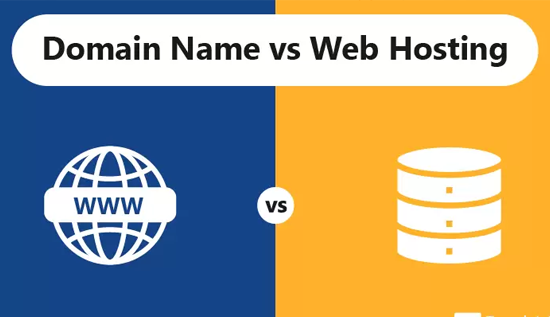
Learn the difference between domain name vs hosting, how they work together, and whether you need both. A complete beginner's guide to domain vs web hosting, registration, costs, and setup.
If you're planning to build a website, one of the first questions you'll encounter is domain name vs hosting. Many beginners confuse these two essential website components because they work together to make a website accessible online.
Understanding the domain vs hosting relationship is crucial before launching a personal blog, business website, eCommerce store, or portfolio. While both are necessary for most websites, they serve completely different purposes.
In this comprehensive guide, we'll explain domain vs web hosting, how each works, why you typically need both, and how to choose the right services for your website.
What Is a Domain Name?
A domain name is your website's address on the internet.
Instead of typing a long numerical IP address, visitors simply type your domain into their browser.
For example:
- example.com
- mybusiness.net
- onlineportfolio.org
Think of your domain name as your home's street address. It tells people where to find your website but doesn't actually store your website itself.
Some popular domain extensions include:
- .com
- .net
- .org
- .io
- .co
- Country extensions like .uk, .ca, or .au
Without a domain name, visitors would have to remember complicated IP addresses.
What Is Web Hosting?
Web hosting is the service that stores all your website files.
These files include:
- Images
- Videos
- HTML pages
- CSS styles
- JavaScript
- Databases
- Emails
- WordPress files
Hosting companies own powerful servers connected to the internet 24/7.
Whenever someone enters your domain, the hosting server delivers the website files to their browser.
Imagine web hosting as the actual house, while the domain is the address leading visitors there.
Domain vs Hosting Explained
The easiest way to understand domain vs hosting explained is through a simple analogy.
| Domain Name | Web Hosting |
|---|---|
| Street address | House |
| Website URL | Website files |
| Helps people find your website | Stores your website |
| Registered through domain registrars | Purchased from hosting providers |
The domain name vs web hosting explained concept becomes much easier when you realize one identifies your website while the other stores it.
Domain Name vs Hosting: The Biggest Difference
The primary domain and hosting difference is their purpose.
A domain is your online identity.
Hosting is the place where your website actually lives.
Here's another comparison:
Domain
- Website address
- Registered annually
- Unique worldwide
- Easy to remember
- Cannot display a website alone
Hosting
- Website storage
- Runs continuously
- Stores website data
- Provides bandwidth
- Cannot be reached without a domain
This is the core of what is the difference between domain and hosting.
Domain Registration vs Hosting
Many beginners also ask about domain registration vs hosting.
These are two different purchases.
Domain Registration
When you register a domain:
- You reserve a website name.
- No website is created.
- No files are stored.
- You own the name for a certain period.
Registration usually lasts:
- 1 year
- 2 years
- 5 years
- 10 years
You must renew it before expiration.
Hosting Purchase
When purchasing hosting:
You rent space on a server where your website will be stored.
Hosting plans usually include:
- Disk storage
- SSL certificate
- Email accounts
- Website backups
- Security features
- Bandwidth
Without hosting, your domain simply points nowhere.
Domain vs Web Hosting
Let's compare domain vs web hosting side by side.
| Feature | Domain | Web Hosting |
|---|---|---|
| Purpose | Website address | Website storage |
| Required for website | Yes | Yes |
| Stores website files | No | Yes |
| Can work alone | Limited | Limited |
| Renewal | Yearly | Monthly or yearly |
| Example | mywebsite.com | Server space |
This simple comparison summarizes hosting vs domain for beginners.
How Domain and Hosting Work Together
Here's what happens when someone visits your website.
Step 1
The visitor types:
Step 2
The browser looks up the domain.
Step 3
The Domain Name System (DNS) finds the hosting server.
Step 4
The hosting server sends:
- HTML
- Images
- CSS
- JavaScript
- Databases
Step 5
The visitor sees your website.
Without either component, the process breaks.
Do I Need Both a Domain and Hosting?
One of the most common beginner questions is:
Do I need both a domain and hosting?
The answer is almost always yes.
If you want your own website on your own domain, you need both.
For example:
✔ mybusiness.com
requires:
- Domain registration
- Hosting
However, there are a few exceptions.
When You May Not Need Hosting
You might not need traditional hosting if you're using:
- Google Sites
- GitHub Pages
- Some website builders
- Hosted portfolio platforms
Even then, many users still purchase a custom domain.
When You May Not Need a Domain
Some platforms give you free subdomains like:
- yoursite.wordpress.com
- yourstore.shopify.com
- yourblog.wixsite.com
While functional, these look less professional than owning your own domain.
Can I Buy Domain and Hosting Separately?
Absolutely.
Many people purchase them from different companies.
Example:
Domain:
- Registrar A
Hosting:
- Hosting Company B
You simply connect them using DNS settings.
This flexibility allows you to choose the best provider for each service.
Can I Buy Them Together?
Yes.
Many hosting companies include:
- Free domain for the first year
- Automatic DNS setup
- One-click installation
- Easier management
This is often the easiest option for beginners.
What Happens If I Only Buy a Domain?
Buying only a domain means:
- You own the website name.
- Visitors cannot view a website.
- The domain has nowhere to point.
It's similar to buying a street address without building a house.
What Happens If I Only Buy Hosting?
If you only purchase hosting:
- Your website files exist.
- People cannot easily reach your website.
- You'll usually access it through a temporary server URL.
To make your website public, you'll eventually need a domain.
Types of Web Hosting
Understanding hosting options also helps explain web hosting vs domain.
Shared Hosting
Best for:
- Beginners
- Blogs
- Small businesses
Advantages:
- Affordable
- Easy setup
- Beginner friendly
VPS Hosting
Ideal for:
- Growing websites
- Higher traffic
- More control
Benefits:
- Better performance
- Dedicated resources
Dedicated Hosting
Suitable for:
- Large businesses
- Enterprise websites
Advantages:
- Full server control
- Maximum performance
Cloud Hosting
Popular because it offers:
- Scalability
- High uptime
- Better reliability
Many modern businesses choose cloud hosting for growing websites.
Choosing a Good Domain Name
When selecting a domain:
Keep it short
Short names are easier to remember.
Example:
bestcoffee.com
is better than
thebestcoffeeshoponline2026.com
Make it easy to spell
Avoid:
- Numbers
- Hyphens
- Complex words
Choose the right extension
For businesses:
.com remains the most recognized.
Other good options include:
- .co
- .io
- .net
- .org
Think long-term
Changing domains later can affect:
- SEO
- Branding
- Marketing
Choose carefully from the start.
Choosing the Right Hosting
When comparing hosting providers, consider:
Speed
Fast servers improve:
- User experience
- SEO
- Conversion rates
Uptime
Look for:
99.9% uptime guarantee
Higher uptime means fewer outages.
Security
Choose hosting with:
- SSL certificate
- Firewall
- Malware scanning
- Automatic backups
Customer Support
24/7 support is valuable, especially for beginners.
Storage
Ensure sufficient storage for:
- Images
Videos
- Website files
- Databases
Common Beginner Mistakes
Understanding domain name vs hosting helps avoid these mistakes.
Buying a domain without hosting
Many beginners think purchasing a domain automatically creates a website.
It doesn't.
Forgetting renewals
Expired domains can become available for others to register.
Always enable auto-renewal.
Choosing the cheapest hosting
Low-cost hosting isn't always the best value.
Poor hosting may lead to:
- Slow websites
- Downtime
- Security issues
Ignoring DNS
DNS connects your domain to your hosting.
Incorrect DNS settings can make your website inaccessible.
Can You Transfer a Domain?
Yes.
Domains can be transferred between registrars.
Reasons include:
- Lower renewal costs
- Better customer support
- Easier management
The website usually stays online during a properly managed transfer.
Can You Change Hosting?
Absolutely.
Many growing businesses upgrade hosting over time.
For example:
Shared Hosting
↓
Cloud Hosting
↓
VPS
↓
Dedicated Server
Your domain usually stays the same while only the hosting changes.
SEO and Domain vs Hosting
Both influence search engine optimization differently.
Domain
Your domain affects:
- Branding
- Memorability
- User trust
Keywords inside domains have far less SEO impact than they once did.
Hosting
Hosting impacts:
- Website speed
- Uptime
- Core Web Vitals
- User experience
Search engines favor websites that load quickly and remain available.
Domain vs Hosting Costs
Typical annual costs are:
Domain
- $10–20/year
Premium domains may cost significantly more.
Shared Hosting
- $3–10/month
VPS Hosting
- $20–80/month
Dedicated Hosting
- $100+/month
Costs vary depending on features and provider.
Frequently Asked Questions
What is the difference between domain and hosting?
The main what is the difference between domain and hosting question can be answered simply:
A domain is your website's address.
Hosting stores your website's files.
You generally need both to publish a website online.
Do I need both a domain and hosting?
Yes.
If you want a professional website with your own web address, you typically need both a registered domain and web hosting.
Can I change hosting without changing my domain?
Yes.
Your domain can stay exactly the same while you move your website to a new hosting provider.
Can I have multiple domains on one hosting account?
Many hosting plans allow multiple domains to point to different websites within the same hosting account.
Which comes first: domain or hosting?
Either.
Many people buy the domain first to secure the name.
Others purchase hosting packages that include a free domain.
Final Thoughts
Understanding domain vs hosting is one of the first and most important steps in building a website. While these terms are often used together, they serve entirely different functions. A domain name is your website's address, making it easy for visitors to find you online, while web hosting is the service that stores and delivers your website's files to users around the world.
When comparing domain vs web hosting, remember that one cannot fully replace the other. A domain without hosting has nowhere to direct visitors, and hosting without a domain is difficult for users to access. This is why most website owners need both services working together.
Whether you're starting a blog, launching an online store, or creating a business website, understanding domain name vs hosting, hosting vs domain, and domain registration vs hosting will help you make smarter decisions, avoid common beginner mistakes, and build a reliable online presence. By choosing a memorable domain name and dependable web hosting, you'll create a strong foundation for a fast, secure, and professional website that can grow with your needs.
More Articles
 24 Jul 2026
Browser Security Tips: How to Browse the Web Safely
Learn the best browser security tips to protect your privacy, block cyber threats, and enjoy secure web browsing. Discover how to make your browser more secure and browse the internet safely.
 22 Jul 2026
Passkeys vs Passwords: Security Comparison
Discover how passkeys compare to traditional passwords, learn how passwordless authentication works, and find out which option offers better security for protecting your online accounts.
 17 Jul 2026
Rust vs Go: Which Language Is Better in 2026?
Compare Rust vs Go in 2026, including performance, backend development, memory safety and the best language for your projects.
 15 Jul 2026
What Is Synthetic Data? Benefits, Uses & Examples
Understand synthetic data explained, its benefits and real-world AI examples that improve privacy and machine learning.