Local Servers vs Cloud Computing: What’s Best for Business?
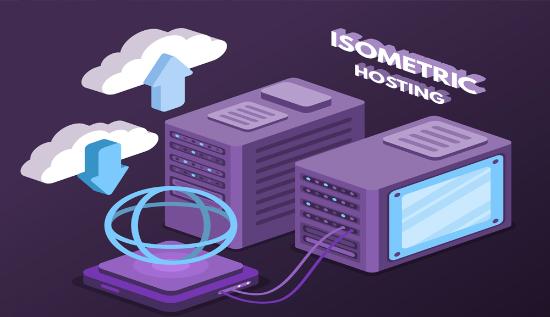
Local servers vs cloud computing: Which one saves more money, scales faster, and boosts business performance? Explore the 2025 showdown now.
In the ever-evolving digital landscape, one of the most critical IT decisions businesses face in 2025 is choosing between local servers vs cloud computing. As technology rapidly advances and remote work becomes the norm, companies are re-evaluating their infrastructure to balance performance, security, scalability, and cost.
Understanding the Basics
Local servers (on-premise) are physical servers maintained in-house, giving businesses full control over their data and infrastructure. Cloud computing, on the other hand, involves hosting services and data on remote servers managed by third-party providers like AWS, Microsoft Azure, or Google Cloud.
The choice between the two isn't just about technology — it’s a strategic decision that affects operations, costs, scalability, and competitiveness.
The Cost Perspective
One of the biggest concerns for businesses is the cost of maintaining local servers. Maintaining physical infrastructure requires substantial upfront investments in hardware, as well as ongoing costs for electricity, cooling, physical space, software licenses, and IT staff.
In contrast, cloud solutions for businesses operate on a pay-as-you-go model. This eliminates the need for capital expenditure, shifting the burden to operational expenses. Businesses only pay for the resources they use, allowing them to scale up or down as needed.
Furthermore, moving to cloud infrastructure reduces the risk of hardware obsolescence. As technology evolves, cloud providers handle updates, maintenance, and compliance, which significantly reduces long-term costs and complexity.
On-Premise Server Disadvantages
Many companies are recognizing the on-premise server disadvantages that hinder business agility and innovation. These include:
- Limited scalability: Adding new users or storage to local servers is time-consuming and expensive.
- Security concerns: Without robust IT support, local systems can be more vulnerable to attacks.
- Disaster recovery limitations: In the event of fire, theft, or hardware failure, local servers may not offer sufficient backup options.
- Complex maintenance: Frequent server maintenance issues like hardware failures and software patches can disrupt productivity.
These challenges make a strong case for cloud adoption, especially for growing companies.
Benefits of Switching from On-Premise Servers to Cloud
The benefits of switching from on-premise servers to cloud are numerous and far-reaching:
- Flexibility and mobility: Teams can access data and applications from anywhere with an internet connection.
- Enhanced collaboration: Cloud-based platforms promote real-time collaboration and data sharing.
- Disaster recovery: Automatic backups and multi-region storage protect data from local disruptions.
- Security: Top-tier cloud providers offer advanced encryption, regular security audits, and compliance certifications.
- Innovation: With APIs, AI, and analytics tools available via the cloud, businesses can innovate faster.
Cloud Migration for Small Business
For small businesses, the idea of transitioning IT systems may seem daunting. But cloud migration for small business is now more accessible than ever. Many providers offer tailored packages and migration tools designed to minimize downtime and complexity.
Small businesses benefit most from cloud computing due to:
- Reduced upfront investment
- Access to enterprise-level tools
- Improved uptime and customer service
Moreover, managed service providers can guide businesses through every step of the cloud migration process, helping them overcome skill gaps and security concerns.
IT Infrastructure Modernization
At the heart of this shift is IT infrastructure modernization — the process of updating legacy systems to align with current business goals and technology standards. The cloud plays a pivotal role in this transformation.
Modernizing infrastructure using cloud solutions allows businesses to:
- Automate routine tasks
- Deploy applications faster
- Gain real-time insights through analytics
- Integrate with IoT, machine learning, and blockchain technologies
In 2025, modernization is not a luxury but a necessity for staying competitive in any industry.
Server Maintenance Issues with Local Infrastructure
Server maintenance issues can be a major pain point for businesses using local infrastructure. From unexpected outages to aging equipment, the burden on internal IT teams is significant.
Typical challenges include:
- Hardware degradation and failure
- Software incompatibilities
- High mean-time-to-repair (MTTR)
- Lack of remote access or automation tools
Each of these factors contributes to business disruption and higher operational costs — reinforcing why businesses are moving away from local servers in 2025.
Why Businesses Are Moving Away from Local Servers in 2025
The year 2025 marks a turning point in the way organizations perceive digital infrastructure. A growing number of companies are choosing to abandon legacy systems. Here's why businesses are moving away from local servers in 2025:
- Remote work demand: Cloud systems support hybrid and remote work environments.
- Cybersecurity concerns: The cloud offers more sophisticated defense mechanisms.
- Green IT goals: Data centers operated by hyperscale cloud providers are more energy-efficient.
- Market competitiveness: Businesses need agility and innovation that local servers can't deliver.
With digital transformation becoming imperative, staying with local servers may soon be a liability rather than an asset.
Comparing Traditional Servers vs Cloud
Let’s break down the debate: traditional servers vs cloud.
| Feature | Local Servers | Cloud Computing |
|---|---|---|
| Cost | High upfront and maintenance costs | Subscription-based, scalable |
| Scalability | Limited, hardware dependent | Virtually unlimited |
| Security | In-house, dependent on internal team | Managed by global experts |
| Maintenance | Manual, labor-intensive | Automated and managed by providers |
| Accessibility | On-site only | Anywhere with internet |
| Updates | Manual upgrades | Continuous automatic updates |
This comparison reveals that cloud solutions for businesses offer clear advantages in adaptability, cost, and performance.
Moving to Cloud Infrastructure: Key Considerations
Before moving to cloud infrastructure, companies should assess their needs and readiness. Key steps include:
- Evaluate current systems: Identify legacy applications and data that need migration.
- Choose the right model: Decide between public, private, or hybrid cloud.
- Ensure data security: Establish protocols and choose vendors with strong compliance.
- Plan for change management: Train staff and update workflows to align with new systems.
Partnering with a cloud expert or managed services provider can streamline this process, especially during complex migrations.
Cloud Solutions for Businesses in 2025
Cloud solutions for businesses are more than just storage options. They now include:
- Infrastructure as a Service (IaaS): Rent virtualized computing resources.
- Platform as a Service (PaaS): Build and deploy custom applications.
- Software as a Service (SaaS): Use apps like Microsoft 365 or Salesforce directly online.
- Disaster Recovery as a Service (DRaaS): Ensure business continuity.
These solutions help businesses future-proof their operations, optimize resources, and deliver better customer experiences.
Conclusion
The battle of local servers vs cloud computing isn’t just about technology — it's about preparing your business for tomorrow.
While on-premise servers once dominated the IT landscape, their disadvantages and high cost of maintaining local servers have made them less viable in a cloud-first world. Today, IT infrastructure modernization and the benefits of switching from on-premise servers to cloud are pushing companies to evolve.
For many organizations — especially SMBs — the future lies in the cloud. Whether you're considering cloud migration for small business, solving server maintenance issues, or simply evaluating traditional servers vs cloud, the evidence is clear: moving to cloud infrastructure is the key to thriving in 2025 and beyond.
More Articles
 15 Jul 2026
What Is Synthetic Data? Benefits, Uses & Examples
Understand synthetic data explained, its benefits and real-world AI examples that improve privacy and machine learning.
 14 Jul 2026
Best Mobile Networks in Cambodia (2026 Guide)
Discover the best mobile networks in Cambodia in this 2026 guide. Compare coverage, speed, pricing, and find the best SIM card in Cambodia for tourists, travelers, expats, and residents.
 13 Jul 2026
How to Rank in ChatGPT Search Results: GEO & AI SEO
Improve how to rank in ChatGPT search results with provenGEO strategies, ChatGPT SEO and AI search optimization tips.
 08 Jul 2026
Best Tech Stores in Cambodia: Top Places to Shop
Compare the best tech stores in Cambodia for laptops, smartphones, computers and electronics with trusted retailers, prices and buying tips.