Shadow IT Risks: Protect Your Workplace from Hidden Threats

Learn how to detect, prevent, and manage Shadow IT risks that can harm your company’s cybersecurity and data protection.
If you've ever wondered what is shadow IT, it refers to the use of systems, devices, software, applications, or services without explicit IT department approval. Often, these tools your employees are using without IT approval are adopted to enhance productivity or fill perceived technology gaps. While intentions may be good, the consequences can be risky.
One major issue surrounding Shadow IT risks is the lack of visibility and control it creates for IT departments. When employees adopt unauthorized software in the workplace, they unintentionally open the door to potential data breaches, compliance issues, and operational inefficiencies. The effects can be terrible, especially for shadow IT in small organizations, because these enterprises frequently don't have adequate cybersecurity systems in place.
The Rise of Unauthorized Software in the Workplace
The growing popularity of cloud-based tools, mobile applications, and collaboration platforms means it's easier than ever for employees to bypass official channels. This trend leads to a flood of unauthorized software in the workplace, creating invisible layers of IT infrastructure that IT departments don’t even know exist.
These unmanaged apps in business environments can come in the form of simple communication tools, file-sharing apps, or even project management software. However, without proper vetting, these applications may lack robust security features, exposing the company to cybersecurity and shadow IT threats. Employees may not recognize the seriousness of the employee tech tools risks, but to IT professionals, these risks are very real.
How Employee Tech Tools Risks Compromise Security
There’s no denying the convenience and innovation that come from adopting new tech tools. Yet, employee tech tools risks cannot be ignored. Employees using third-party software without approval can create backdoors for hackers, leading to data leakage from shadow IT.
Additionally, when data is stored or shared through unapproved platforms, it becomes harder to ensure data compliance, audit trails, or control access. These vulnerabilities make it easier for IT security threats from employees to go undetected. Moreover, when breaches do happen, it can be hard to find out where they came from if the IT staff didn't even know about the program that was utilized.
Impact of Shadow IT in Small Businesses
The effects of shadow IT in small businesses are even more pronounced than in larger organizations. Small companies often lack dedicated cybersecurity teams or comprehensive IT policies, making them particularly vulnerable to Shadow IT risks.
Employees may resort to using unmanaged apps in business environments because official tools are too expensive or not user-friendly. While this might solve short-term workflow problems, It can hurt your business in the long run by leaking data via shadow IT, crashing systems, or even getting fined by the government. Business owners and managers in every field need to know how these damages could happen.
Identifying and Mitigating IT Security Threats from Employees
The biggest challenge with IT security threats from employees is that they are usually not malicious. Most of the time, workers just want to work faster and take charge. But if this behavior isn't managed correctly, it can lead to major Shadow IT dangers.
Employers must start by creating a culture of awareness. When employees understand what is shadow IT, they are more likely to think twice before installing unauthorized software in the workplace. It’s also essential to put monitoring systems in place to detect anomalies, new installations, and tools your employees are using without IT approval.
Why Unmanaged Apps in Business Environments Are a Time Bomb
Unmanaged apps in business environments present a hidden but significant threat. These applications are not subject to corporate security protocols, This means they might not have encryption, two-factor authentication, or secure backup options. These tools proliferate without any limits, which makes the IT environment unstable and dangerous over time.
Once shadow IT in small businesses takes root, it can spread rapidly and uncontrollably. The worst part? IT departments often discover these tools your employees are using without IT approval only after a data breach or system failure has occurred. To avoid this, you need to be actively involved and enforce the rules.
Mastering How to Detect and Manage Shadow IT in Your Business
A proactive approach is the best defense. Learning how to detect and manage shadow IT in your business involves multiple strategies, starting with IT audits and user behavior analytics. IT teams can find illegal use before it becomes a big problem by looking at how people use things.
Employee training is another pillar of a good defense. By educating staff on the cybersecurity and shadow IT dangers, you make people more alert and less likely to act in unsafe ways. IT teams should also make it easy for workers to ask for new tools in a formal way. This will make it less likely that they will break the rules.
Building a Culture that Limits Shadow IT Risks
Creating a culture that values security and accountability can greatly minimize Shadow IT risks. Begin by encouraging transparent communication between departments. If employees feel their technology needs are heard and met, they’re less likely to install unauthorized software in the workplace.
Incorporating secure, flexible solutions that are IT-approved can also reduce the appeal of shadow IT. This is especially important for addressing employee tech tools risks, as employees often turn to external apps when they feel current solutions are lacking.
Conclusion
In today’s fast-paced digital world, Shadow IT risks are no longer a distant possibility—they are a present danger. From unauthorized software in the workplace to tools your employees are using without IT approval, the threats to security, efficiency, and compliance are real and getting bigger. Businesses, especially small ones, need to know what shadow IT is, what risks it poses, and what they can do to find and deal with it efficiently.
By fostering a proactive culture, investing in monitoring tools, and promoting awareness, organizations can reduce data leakage from shadow IT and eliminate unnecessary IT security threats from employees. The future of secure business operations lies in visibility, transparency, and vigilance.
Read more: Proactive vs Reactive IT Support: Costs & ROI Compared
Frequently Asked Questions
1. What is shadow IT and why is it risky?
Shadow IT is when you use technology or software without getting permission from the IT department. It could lead to problems like data breaches and not following the rules.
2. How can businesses detect shadow IT activities?
Regular audits, employee training, and monitoring software help detect tools your employee is using without IT approval.
3. Why do employees use unauthorized software in the workplace?
People often utilize this kind of software because it's easier or to get around old or slow internal tools.
4. Can shadow IT affect small businesses more than large ones?
Yes, shadow IT in small businesses is especially dangerous due to limited cybersecurity resources and lack of formal policies.
5. What are the consequences of unmanaged apps in business environments?
They can lead to data leakage from shadow IT, security vulnerabilities, and operational inefficiencies.
6. How does shadow IT relate to employee tech tools risks?
Employees who utilize unapproved digital products can open the door to cyber dangers and problems with managing company data.
7. What’s the best way to manage shadow IT risks?
The best way includes improving communication, formal tool approval processes, user training, and continuous monitoring for IT security threats from employees.
More Articles
 24 Jul 2026
Browser Security Tips: How to Browse the Web Safely
Learn the best browser security tips to protect your privacy, block cyber threats, and enjoy secure web browsing. Discover how to make your browser more secure and browse the internet safely.
 22 Jul 2026
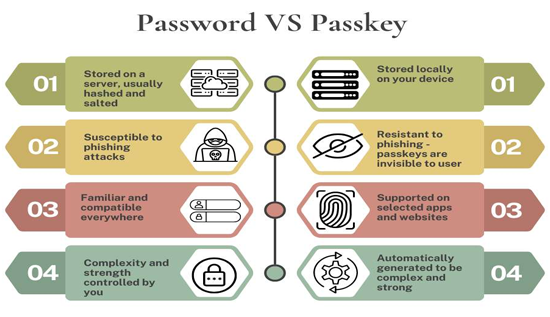
Passkeys vs Passwords: Security Comparison
Discover how passkeys compare to traditional passwords, learn how passwordless authentication works, and find out which option offers better security for protecting your online accounts.
 17 Jul 2026
Rust vs Go: Which Language Is Better in 2026?
Compare Rust vs Go in 2026, including performance, backend development, memory safety and the best language for your projects.
 15 Jul 2026
What Is Synthetic Data? Benefits, Uses & Examples
Understand synthetic data explained, its benefits and real-world AI examples that improve privacy and machine learning.