Web3 vs Web2: Differences, Examples & Advantages
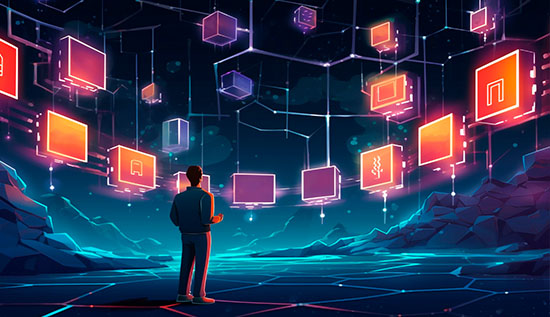
Learn the key differences between Web3 vs Web2, including technologies, real-world examples, and advantages. A simple guide for beginners.
The internet has evolved significantly over the past few decades. From simple static websites to complex digital ecosystems, the way people interact online has changed dramatically. Today, discussions about Web3 vs Web2 are becoming increasingly common as technology experts and businesses explore the next phase of internet development.
Users can better understand how digital platforms function, who controls data, and how online services might change in the future by comprehending the Web3 vs Web2 comparison. While Web3 shows a decentralized model driven by blockchain technology, Web2 represents the existing form of the internet that the majority of people utilize on a daily basis. A straightforward approach for many Cambodian users to comprehend this idea is to think of Web2 as corporate-controlled platforms, but Web3 gives consumers greater ownership and control over their digital assets.
This guide explains the key differences, technologies, examples, and advantages of Web2 and Web3 in a clear and educational way.
Understanding the difference between Web3 and Web2
The difference between Web3 and Web2 lies mainly in control, data ownership, and system structure. Web2 is the current internet model where large companies manage platforms, store user data, and control services. Examples include social media networks, online marketplaces, and streaming platforms.
A decentralized internet structure is introduced by Web3. Blockchain networks provide direct user interaction without the need for centralized companies to manage platforms. Web2 can be defined as "internet controlled by companies" and Web3 as "internet shared by the community," to put it simply in Khmer.
The primary focus of a Web3 vs. Web2 comparison is the ownership of the platform and data. In Web2, users provide businesses access to their personal data, which they retain and manage. Blockchain technology in Web3 allows people to control their own digital assets and identities.
Key features of the Web2 vs Web3 internet
The Web2 vs Web3 internet discussion focuses on how online systems operate and how users interact with them. Web2 is designed around centralized platforms where companies provide services and maintain infrastructure. Most websites today operate using this model.
Web3 proposes a different system where decentralized networks replace traditional servers. Instead of storing information on company-owned servers, data can be stored across distributed blockchain networks.
Key characteristics of Web2 include:
- Platforms controlled by companies
- Data stored on centralized servers
- Revenue generated through advertising and user data
- Limited user ownership of digital assets
Key characteristics of Web3 include:
- Decentralized blockchain-based systems
- Peer-to-peer interactions without intermediaries
- Greater transparency through public ledgers
- Digital ownership using tokens or blockchain assets
In simple terms for Cambodian learners, Web2 is like renting a house from a company, while Web3 is closer to owning your own digital property.
Understanding Web3 vs Web2 technology
Web3 vs Web2 technology differs greatly in how digital services are built and maintained. Web2 technologies rely on traditional web architecture, including centralized servers, cloud hosting, and databases managed by companies.
Examples of Web2 technologies include:
- HTML, CSS, and JavaScript for web development
- Cloud computing services
- Centralized application servers
- Social media platforms and online services
Web3 technologies introduce blockchain-based systems that allow decentralized interactions between users. Instead of a central authority managing transactions, the network verifies activities collectively.
Common Web3 technologies include:
- Blockchain networks
- Smart contracts
- Cryptographic security systems
- Decentralized applications (dApps)
To explain this in a Khmer-friendly way, Web2 technology works like a company office where decisions are made by management. Web3 technology works more like a community network where every participant contributes to verifying and maintaining the system.
Read more: Blockchain Beyond Crypto: Web3 Use Cases & Applications
Web3 vs Web2 examples in everyday digital services
Looking at Web3 vs Web2 examples helps people understand how these systems work in real-world situations. Most internet services today operate using the Web2 model.
Common Web2 platforms include:
- Social media networks where companies manage user content
- Streaming services where users subscribe to centralized platforms
Online marketplaces controlled by companies
- Cloud-based software services
Web3 introduces new types of applications where blockchain replaces centralized control. These services aim to give users greater control over their digital assets and data.
Examples of Web3 platforms include:
Decentralized finance platforms
- Blockchain-based gaming systems
- NFT marketplaces
- Decentralized social networks
When reviewing Web3 vs Web2 real world examples, the difference becomes clear. In Web2 social media, the company owns the platform and can control content. In Web3 social networks, users may own their profiles and digital assets directly.
Exploring Web3 vs Web2 advantages and disadvantages
Understanding Web3 vs Web2 advantages and disadvantages is important when evaluating the future of the internet. Both models offer unique benefits and challenges.
Advantages of Web2 include:
- Fast and reliable infrastructure
- User-friendly platforms
Wide adoption and global accessibility
- Established security systems managed by companies
However, Web2 also has limitations such as:
Centralized control by large companies
- Data privacy concerns
- Risk of censorship or platform restrictions
- Limited user ownership of digital assets
Web3 aims to address some of these issues by introducing decentralization and transparency.
Advantages of Web3 include:
- Greater user control over data
- Decentralized governance systems
- Transparent blockchain transactions
- New opportunities for digital ownership
However, Web3 also presents challenges such as:
- Complex technology for beginners
- Slower transaction speeds in some networks
- Regulatory uncertainty in many countries
- Security risks if users mismanage digital wallets
For beginners trying to understand what is the difference between Web3 and Web2, the key idea is that Web2 focuses on convenience and centralized management, while Web3 focuses on decentralization and user control.
How Web3 is different from Web2 in data ownership
One of the most important topics when discussing how Web3 is different from Web2 is data ownership. In the Web2 internet model, users create accounts on platforms that store personal information and activity data.
These companies may use the collected data for advertising, analytics, and service improvements. While this model supports free services, it also raises concerns about privacy and data security.
Web3 proposes a different system where individuals manage their own digital identity using blockchain-based wallets. Instead of relying on platform accounts, users interact directly with decentralized applications.
A simple Khmer explanation would be:
Web2: platforms keep your data
Web3: users control their own data
This shift in data ownership is one of the reasons why Web3 is often described as the next generation of the internet.
Future impact shown through Web3 vs Web2 real world examples
Examining Web3 vs Web2 real world examples helps illustrate how the internet may evolve in the coming years. While Web2 currently dominates the digital world, Web3 innovations are gradually emerging in several industries.
Industries experimenting with Web3 technologies include:
- Finance through decentralized finance platforms
- Gaming through blockchain-based asset ownership
- Digital art through NFT marketplaces
- Supply chain management through blockchain transparency
These illustrations show how decentralized technologies have the potential to transform digital services. Nonetheless, most experts think that Web2 and Web3 might coexist rather than totally replace one another.
For many users, particularly those who are new to Cambodia, comprehending the Web3 vs. Web2 contrast merely entails realizing that the internet is moving toward more decentralized systems where individuals may have more influence.
Web3 vs Web2 advantages and disadvantages explained for beginners
It is evident that each internet model has distinct functions when examining Web3 vs Web2 advantages and disadvantages presented for novices. Web2 is still useful for regular online tasks including shopping, entertainment, and communication.
Web3 is centered on developing new digital systems that prioritize decentralization, ownership, and transparency. However, it can take some time for these technologies to become widely used because they are still in the development stage.
In simple terms:
Web2 focuses on convenience and centralized services.
Web3 focuses on decentralization and user empowerment.
Understanding both systems allows users to adapt to future internet innovations while continuing to use current platforms effectively.
Conclusion
The continual development of the internet is reflected in the debate between Web3 and Web2. Through centralized platforms, social media, and digital services utilized by billions of people globally, Web2 has defined the contemporary online experience.
On the other hand, Web3 presents an alternative conception of the internet based on blockchain and decentralized technology. It is evident from comparing
Web3 and Web2 that control, data ownership, and system structure are the main areas of difference.
Even while Web2 is still the most used model today, Web3 technologies are still evolving and could eventually have an impact on how digital platforms function. In order to navigate the next phase of internet innovation, both users and enterprises must comprehend both systems.
Frequently Asked Questions
1. What is Web3 vs Web2?
Web3 vs Web2 refers to the comparison between the current centralized internet (Web2) and the decentralized internet model powered by blockchain technology (Web3).
2. What is the difference between Web3 and Web2?
The difference between Web3 and Web2 mainly involves data ownership and control. Web2 platforms are managed by companies, while Web3 networks allow decentralized user participation.
3. Is Web3 replacing Web2?
Web3 is not immediately replacing Web2. Many experts believe both systems will coexist as new technologies continue to develop.
4. What are Web3 vs Web2 examples?
Examples of Web2 include social media platforms and centralized online services. Web3 examples include blockchain applications, decentralized finance platforms, and NFT marketplaces.
5. What are the advantages of Web3?
Web3 offers benefits such as decentralized systems, improved transparency, and greater user control over digital assets and personal data.
6. What are the disadvantages of Web3?
Challenges of Web3 include technical complexity, regulatory uncertainty, and the need for users to manage their own digital security.
7. Why is the Web3 vs Web2 comparison important?
The comparison helps people understand how internet technology is evolving and how digital ownership, privacy, and decentralization may shape the future of online services.
More Articles
 10 Mar 2026
Internet Safety Tips: Protect Yourself Online in 2026
Practical Internet Safety Tips for 2026 to protect personal data and stay safe while browsing the web.
 07 Mar 2026
AI vs Human Intelligence: Comparison, Pros & Cons
AI vs Human Intelligence comparison covering differences and the future of human intelligence vs machine intelligence.
 06 Mar 2026
Central Bank Digital Currency: Benefits, Risks & Use Cases
Compare CBDC vs cryptocurrency and see how CBDC technology reshapes global finance.
 05 Mar 2026
Self-Service Analytics & BI: No-Code Tools for Non-Technical
Self-service analytics empowers non-technical users with intuitive dashboards, drag-and-drop BI and smarter decisions.