Predictive Analytics for CEOs: Tools & Strategies for Growth
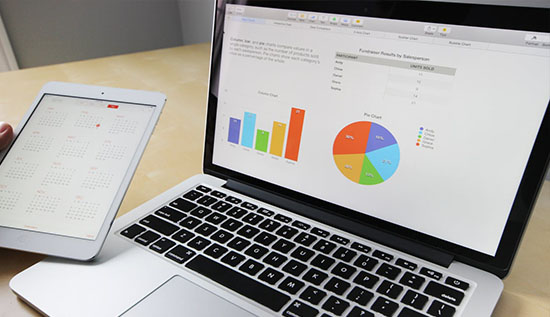
Learn how leverage predictive analytics for CEOs to drive growth, improve forecasting, and strengthen strategic decision-making.
Predictive analytics for CEOs have evolved from a technical tool into a strategic necessity in today’s volatile global economy. While organizations generate vast amounts of data, the true competitive advantage lies in interpreting that data effectively. Predictive analytics in business enables leaders to transform historical information into forward-looking insights that guide strategy, helping them anticipate risks, identify opportunities, and make proactive rather than reactive decisions.
CEOs may more precisely drive innovation, optimize expenses, and enhance market positioning by incorporating predictive analytics into key business operations. Predictive modeling for leadership and executive analytics tool facilitates more precise, data-driven decision-making, as traditional forecasting techniques are no longer adequate. Executives are empowered by this method to confidently guide their companies toward sustainable growth and match tactics with long-term growth goals.
CEO Decision-Making with Predictive Analytic
CEOs have traditionally relied mostly on experience, intuition, and sparse reporting dashboards. For CEOs, predictive analytics turns instinct into intelligence, even though intuition is still vital. Predictive analytics in CEO decision-making creates forecasts that lower uncertainty by combining statistical modeling, machine learning algorithms, and historical data.
Business executives can model several strategy directions with the use of predictive analytics. A CEO assessing market expansion, for instance, can anticipate demand, pricing sensitivity, and operating expenses in new locations using business forecasting for executives. By providing scenario-based insights, predictive modeling for leadership enables the CEO to evaluate possible outcomes before to allocating resources.
This evolution supports data-driven decision making for CEOs by grounding boardroom discussions in evidence. Executive analytics tools present insights through intuitive dashboards that simplify complex data. Understanding how CEOs can use predictive analytics to drive growth requires recognizing that analytics does not replace leadership judgment; it enhances it. With predictive analytics tools for executive decision-making, CEOs can align strategy with measurable probabilities instead of assumptions.
Read more: Best Digital Note-Taking Tools for Professionals in 2026
Business Forecasting for Executive
For executives, business forecasting is essential to successful company planning. By looking at trends in the market, sales cycles, and operational performance, CEO predictive analytics improves forecasting accuracy. Predictive analytics in business uses sophisticated algorithms to find small clues of future market shifts rather than relying solely on historical year-over-year comparisons. This enables leaders to transition from planning based on assumptions to strategic forecasting based on evidence.
Budgeting and resource allocation become more accurate and forward-looking when the CEO uses predictive analytics to make decisions. Predictive modeling-powered leadership tools can foresee cash flow swings, possible supply chain interruptions, and seasonal variations in demand. These insights are subsequently converted into practical financial projections by executive analytics systems, facilitating more intelligent investment choices and long-term growth planning.
Key benefits of predictive-driven business forecasting include:
- Improved Budget Accuracy – Data-backed projections reduce financial guesswork and overspending.
- Proactive Risk Management – Early identification of disruptions supports faster response strategies.
- Dynamic Strategic Planning – Leaders can adjust plans quarterly or monthly instead of relying on rigid annual forecasts.
- Optimized Resource Allocation – Capital and talent are directed toward high-impact opportunities.
- Resilient Growth Roadmaps – Adaptive forecasting models ensure strategies remain flexible in uncertain markets.
CEOs may transform forecasting from a static annual exercise to a continuous, flexible process through data-driven decision making. Adaptability is a key component of top predictive analytics techniques for business executives, guaranteeing that strategic plans stay robust, responsive, and in line with long-term growth goals.
Predictive Modeling for Leadership
Predictive modeling for leadership extends beyond financial metrics. Predictive analytics for CEOs also inform talent management, customer retention, and operational efficiency. By embedding predictive analytics in business functions, CEOs create a culture where evidence guides every major initiative.
CEO decision-making with predictive analytics can reveal which products are likely to succeed, which employees are at risk of attrition, and which customer segments offer the highest lifetime value. Business forecasting for executives supports these insights by identifying patterns that human analysis might overlook. Executive analytics tool consolidate this information into actionable recommendations.
It becomes evident that predictive modeling for improved CEO planning links strategy and execution when examining how CEOs might employ predictive analytics to spur growth. Leadership teams may assess digital transformation projects, quantify operational risks, and model workforce planning scenarios with predictive analytics tools for executive decision-making. These best predictive analytics tactics for company executives guarantee that expansion ideas are both audacious and grounded in evidence.
Executive Analytics Tools: Technology Enablers for Modern CEOs
Predictive analytics for CEOs are based on executive analytics tools. These platforms combine information from external market sources, financial software, CRM platforms, and enterprise systems. These tools are essential for converting unprocessed data into visual insights that help CEOs make decisions based on predictive analytics.
Real-time reporting tools, AI-driven dashboards, and machine learning platforms all help CEOs make much more accurate business forecasts. These technologies are used in predictive modeling for leadership to find correlations and make increasingly accurate predictions about the future. CEOs may make better decisions based on data when executive analytics tools are easy to use, scalable, and in line with business goals.
Clarity, not complication, is what executive decision-making predictive analytics tools need to offer. CEOs need metrics that are high-level and succinct, but they also need the capacity to go into specifics. Business executives' top predictive analytics methods place a strong emphasis on data governance and technology adoption. The quality and consistency of the data underlying these technologies determine how well predictive modeling for improved CEO planning works.
Data Driven Decision Making for CEOslity
Organizational culture is altered when CEOs make decisions based on data. CEOs who use predictive analytics demonstrate a dedication to openness, quantifiable results, and ongoing development. Teams match their objectives with measurable targets when predictive analytics is integrated into regular company operations.
Predictive analytics in CEO decision-making encourages departments to provide evidence to support suggestions. Executives' use of business forecasting improves leadership teams' strategic communication. Leadership predictive modeling makes ensuring that marketing, finance, operations, and human resources all work under the same set of future-scenario assumptions.
Empowering managers is another aspect of comprehending how CEOs can utilize predictive analytics to boost growth. While upholding governance norms, executive analytics tool democratize data access. Because results can be compared to forecasts, predictive analytics tools for executive decision-making promote accountability. These top predictive analytics tactics for company executives strengthen stakeholder, board, and executive trust.
Predictive Analytics in Businesses
One of the CEO's primary responsibilities is risk management. By detecting weaknesses before they become more serious, predictive analytics for CEOs improves resilience. In the business world, predictive analytics may forecast supply chain bottlenecks, identify financial irregularities, and foresee changes in regulations.
Risk assessment is changed from reactive crisis management to proactive planning through the use of predictive analytics in CEO decision-making. Executives use business forecasting to simulate possible downturn situations and measure how they might affect revenue and profitability. A thorough understanding of exposure is provided by predictive modelings for leadership, which assesses several risk factors at once.
CEOs can make data-driven decisions with the help of executive analytics solutions, which provide risk indicators in real time. Contingency plans are incorporated into company roadmaps through predictive modeling for improved CEO planning. Leaders employ top predictive analytics techniques for business leaders that protect long-term stability while chasing development prospects by utilizing predictive analytics tools for executive decision making.
How CEOs Can Use Predictive Analytics to Drive Growth Across Departments
For CEOs, the ultimate goal of predictive analytics is growth. In the corporate world, predictive analytics finds unexplored market niches, chances for pricing optimization, and avenues for product innovation. Predictive analytics in CEO decision-making enables executives to invest in high-probability expansion projects.
Executives can optimize their sales approach with the help of business forecasting. Leadership predictive modeling can predict customer attrition, allowing retention efforts to be implemented before revenue drops. To keep growth initiatives in sync, executive analytics tool monitor performance metrics across divisions.
Cross-functional integration is crucial when looking at how CEOs might use predictive analytics to spur growth. CEOs that use data-driven decision-making make sure that marketing expenditures complement financial planning and manufacturing capabilities. Every business unit's insights are connected via predictive analytics tools for executive decision making. These best predictive analytics tactics for company executives reduce inefficiencies and promote growth.
Predictive Modeling for Better CEO Planning
Strategic vision requires balancing long-term ambition with operational agility. Predictive analytics for CEOs enhance this balance by providing data-backed projections that guide multiyear plans. Predictive analytic in business supports mergers, acquisitions, and capital investments by modeling long-term outcomes.
CEO decision-making with predictive analytics strengthens board-level discussions by quantifying expected returns and potential risks. Business forecasting for executives integrates macroeconomic indicators into planning models. Predictive modeling for leadership evaluates competitive positioning and technological trends.
Executive analytics tool consolidates strategic metrics into executive dashboards that inform quarterly reviews. Data-driven decision making for CEOs becomes continuous rather than episodic. Predictive modeling for better CEO planning ensures that even as conditions evolve, leaders adapt swiftly. Predictive analytics tools for executive decision-making anchor top predictive analytics strategies for business leaders in measurable forecasts.
Implementing Predictive Analytics in Business: Practical Steps for CEOs
CEO adoption of predictive analytics necessitates methodical execution. Establishing specific goals that are in line with corporate strategy is the first step in using predictive analytics in business. Predictive analytics-based CEO decision-making should concentrate on high-impact areas like risk mitigation, cost minimization, or revenue development.
When businesses invest in data infrastructure, leaders' business forecasting improves. Leadership predictive modeling requires clear, integrated datasets. Scalability and executive usability are important considerations when choosing executive analytics solutions. When cross-functional cooperation guarantees data consistency, CEOs' data-driven decision-making flourishes.
Talent development is another aspect of comprehending how CEOs can utilize predictive analytics to boost growth. It is crucial to hire data scientists, train management, and promote analytical literacy. Governance frameworks need to be used in conjunction with predictive analytics tools for executive decision making. Predictive modeling for improved CEO planning is translated into quantifiable performance increases thanks to these best predictive analytics tactics for company executives.
Conclusion
A revolutionary change in executive leadership is represented by predictive analytics for CEOs. Organizations obtain insight that improves resilience and competitiveness by integrating predictive analytics into business operations. Predictive analytics in CEO decision-making substitutes probability-based insights for uncertainty. Executives' business forecasting becomes more flexible and dynamic, and leadership's strategic planning is strengthened by predictive modeling.
CEOs in every department may make data-driven decisions with the help of executive analytics tool. Leaders may unlock prospects for sustainable expansion when they comprehend how CEOs can employ predictive analytics to drive growth. Organizations employ top predictive analytics techniques for business leaders that ensure long-term success by using predictive analytics tools for executive decision making and predictive modeling for improved CEO planning.
Frequently Asked Questions
What is predictive analytics for CEOs?
Predictive analytics for CEOs refers to the use of advanced data analysis techniques to forecast future outcomes and guide executive strategy.How does predictive analytic in business improve decision-making?
Predictive analytic in business enhances accuracy by analyzing historical data patterns to support CEO decision-making with predictive analytics.Why is business forecasting for executives important?
Business forecasting for executives provides forward-looking insights that improve budgeting, investment planning, and growth strategies.What are executive analytics tools?
Executive analytics tools are software platforms that consolidate data into dashboards, enabling data-driven decision making for CEOs.How can predictive modeling for leadership support long-term planning?
Predictive modeling for leadership evaluates multiple scenarios, supporting predictive modeling for better CEO planning and risk assessment.How can CEOs use predictive analytics to drive growth?
Understanding how CEOs can use predictive analytics to drive growth involves applying predictive insights to market expansion, customer retention, and innovation strategies.- What are top predictive analytics strategies for business leaders?
Top predictive analytics strategies for business leaders include investing in quality data infrastructure, adopting predictive analytics tools for executive decision making, and fostering a data-driven culture.
More Articles
 21 Oct 2026
Low-Value Content: How to Identify and Fix It
Identify low-value content, improve content quality and fix SEO issues with practical strategies to boost website usefulness.
 20 Oct 2026
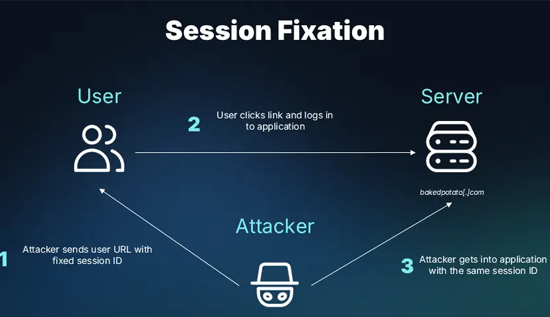
Session Hijacking: How It Works and How to Prevent It
Learn what session hijacking is, how session cookie theft works, common attack signs, and effective prevention strategies to protect accounts and web applications.
 16 Oct 2026
Orphan Pages in SEO: How to Find and Fix Them
Identify orphan pages in SEO and apply practical strategies to improve internal linking and discoverability.
 14 Oct 2026
Topical Authority vs Keyword Density: Which is Better?
Learn the difference between topical authority vs keyword density, how both affect SEO, and how to create helpful content that improves relevance, builds trust, and supports better search rankings.